




Luxury
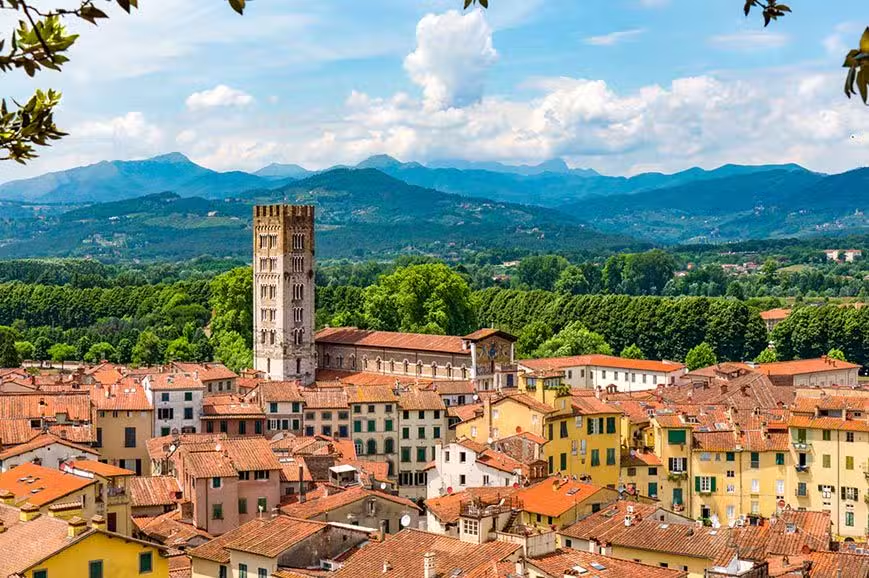
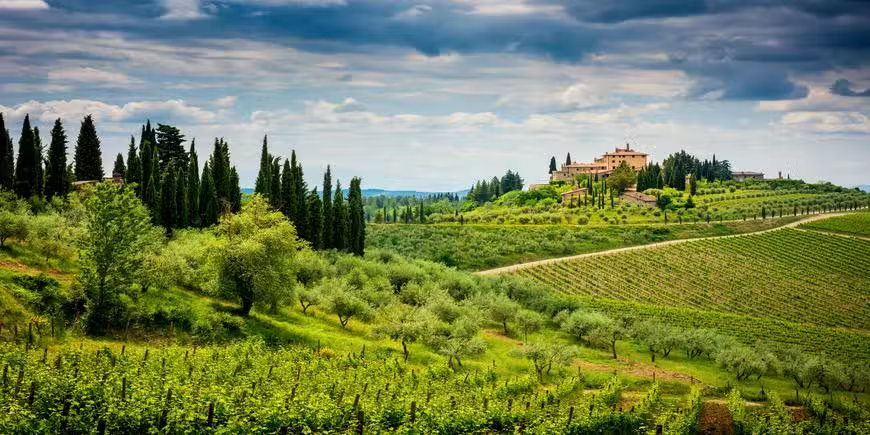
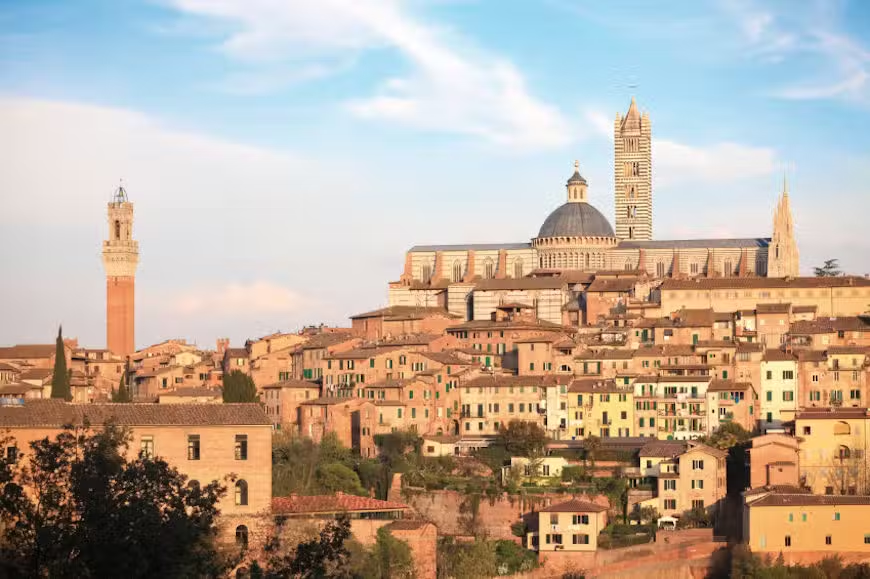
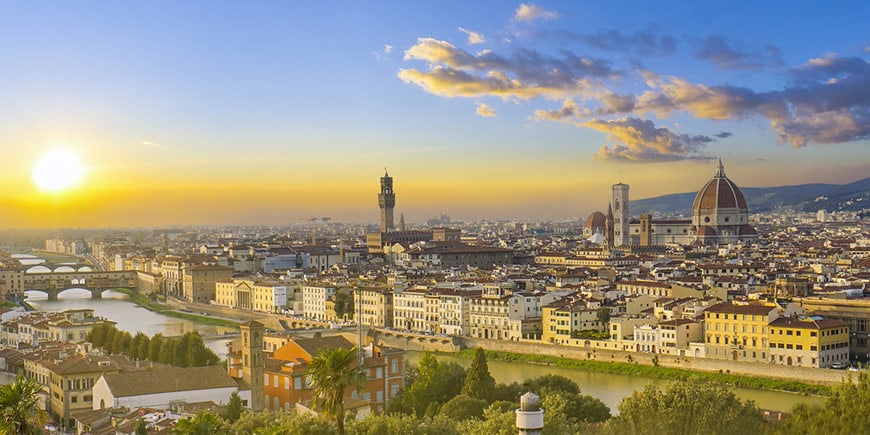
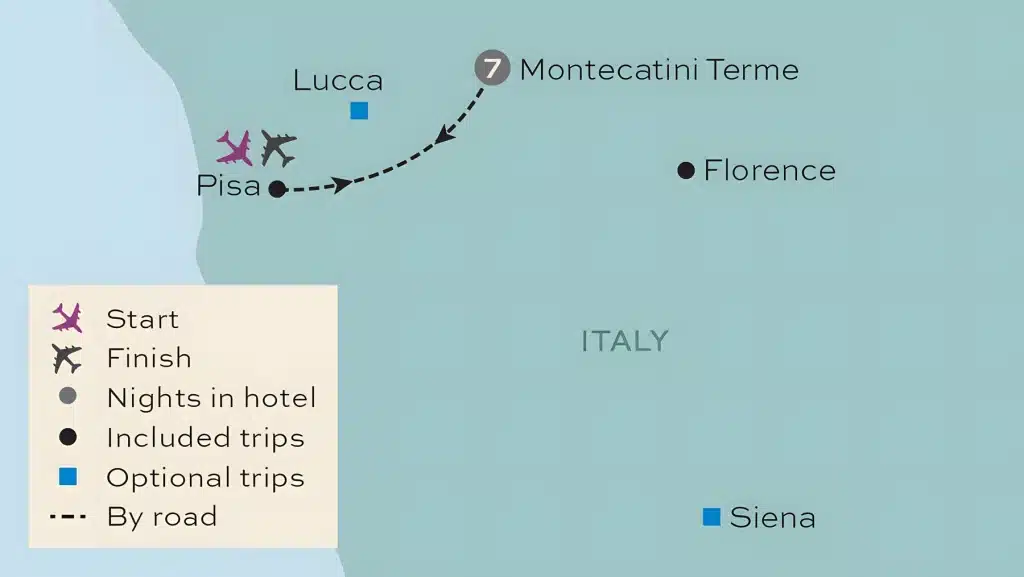
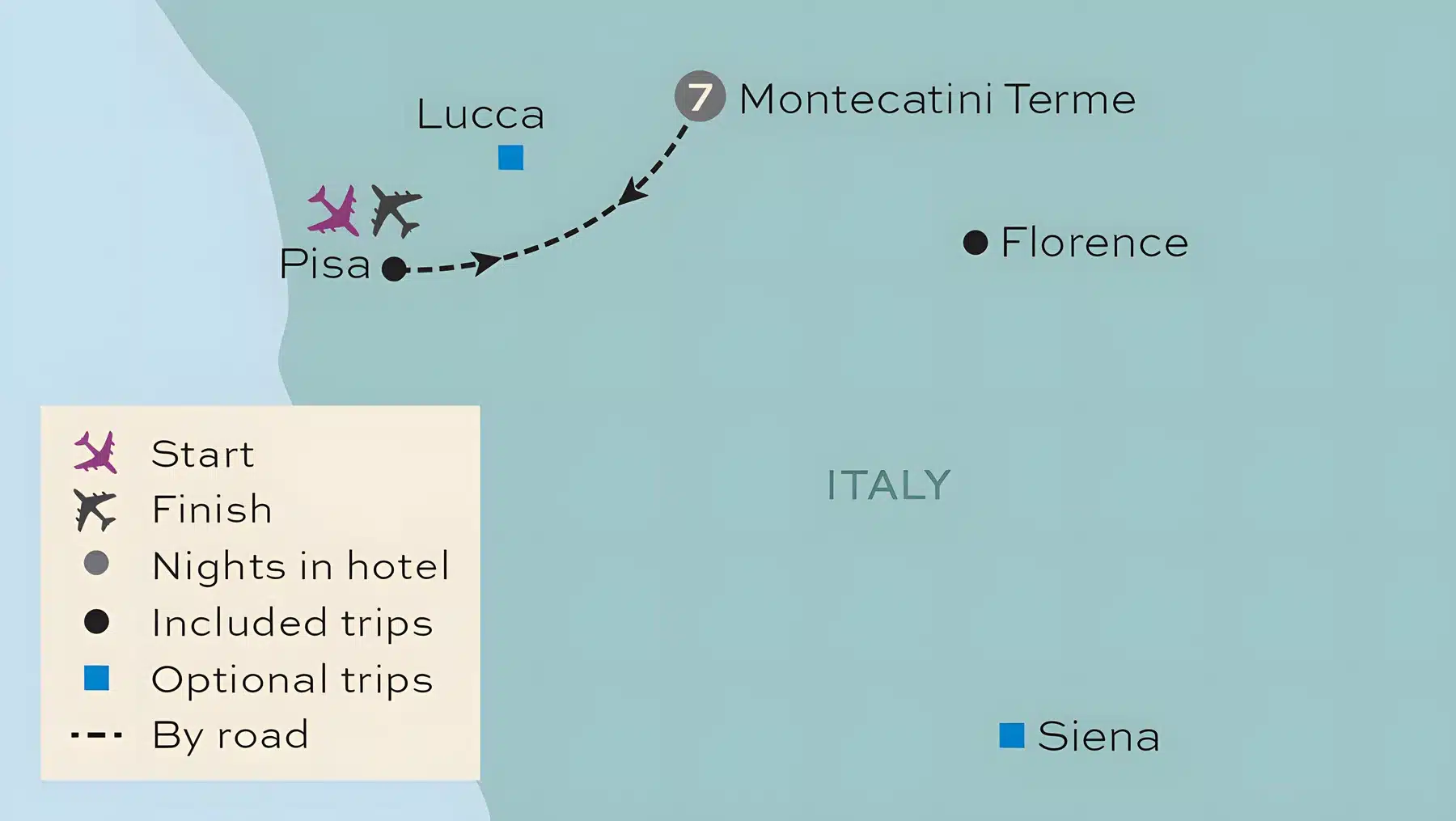
Highlights of Tuscany with Just You
Solo Travellers Save $300*
Discover the beauty of Tuscany on this unforgettable getaway designed especially for solo travellers.
Package With Airfares For Exclusive Savings
From$3,349


The Flat Beds family
Music Along the Danube was the first festival Martin Randall Travel ever created.
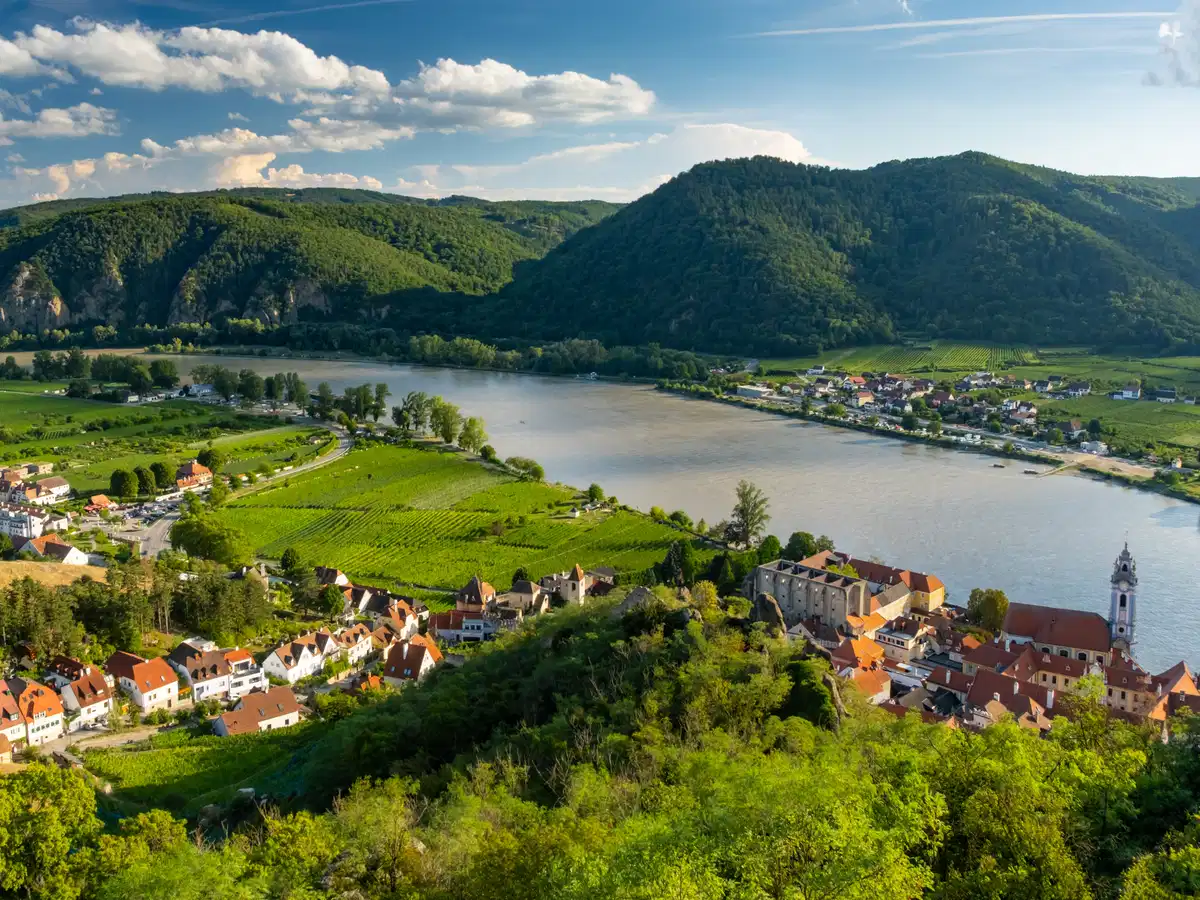
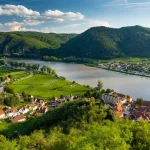
It remains the longest-running festival – and for good reason. This part of the Danube showcases the most sublime scenery in Europe – dark green forests, craggy outcrops and terraced vineyards, punctuated by church spires and historic villages – but also through the imperial grandeur of Vienna, heart of the Western classical music tradition.
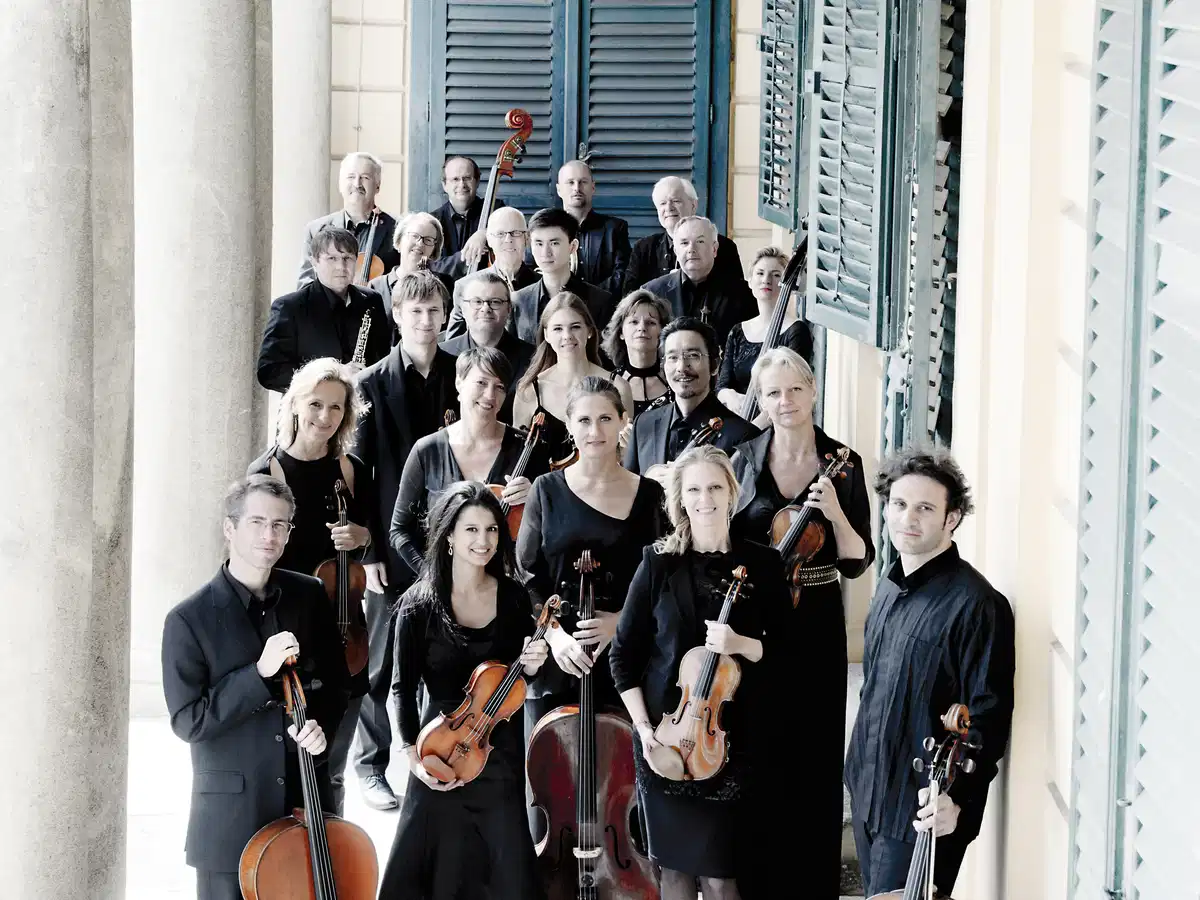
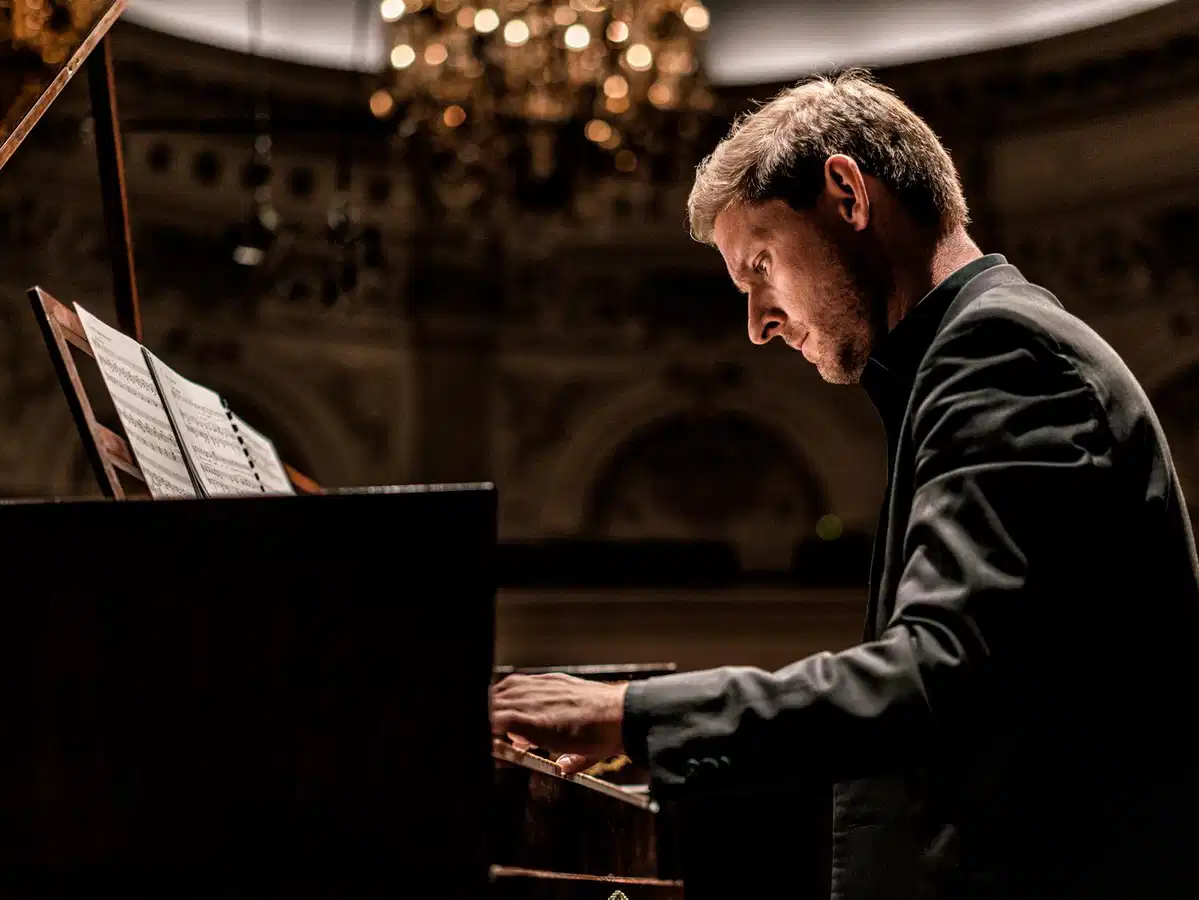
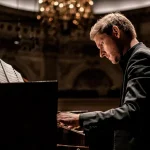
The 2027 line-up is especially compelling. Star pianists Paul Lewis and Benjamin Grosvenor both appear, the former with a finely shaped Mozart programme, the latter offering Romantic virtuosity including works by Chopin and Liszt. World-class cellist Narek Hakhnazaryan joins the Vienna Chamber Orchestra to perform Haydn’s first Cello Concerto amidst the finery of the Palais Ferstel in Vienna.
Superb baritone Benjamin Appl is joined by James Baillieu to perform Schubert’s profoundly lyrical Die schöne Müllerin in a former hunting lodge in the Austrian countryside, and the dazzling Quatuor Arod present string quartets by Haydn, Beethoven and Bartók in the exquisite Primatial Palace in Bratislava.
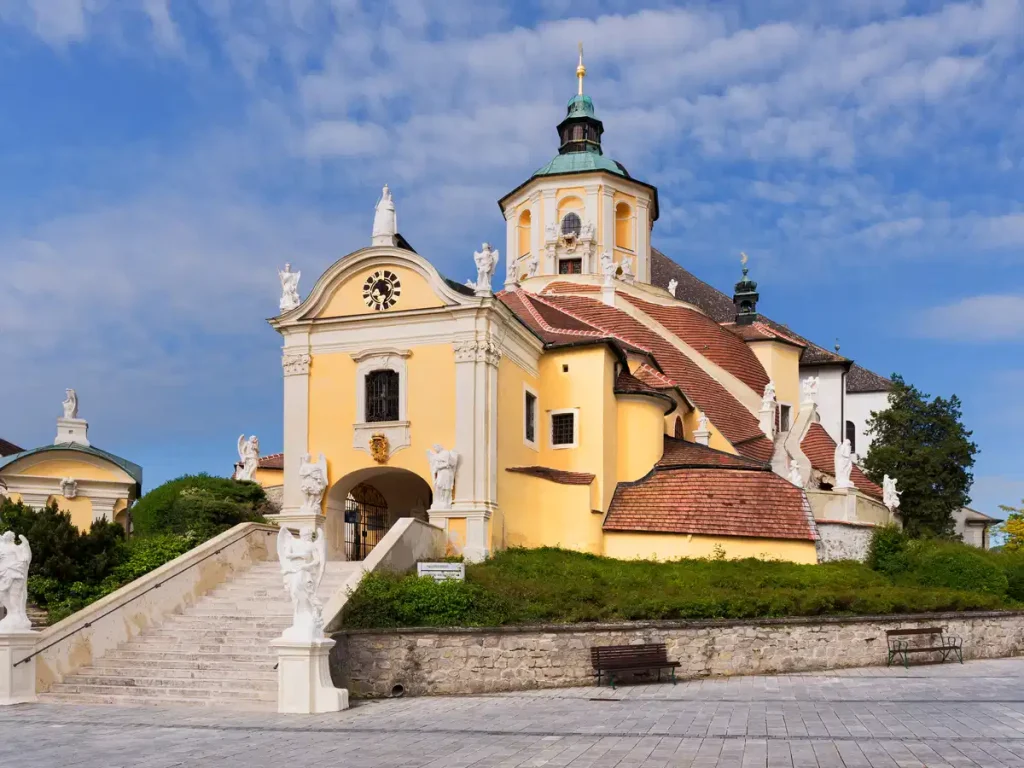
Marking Beethoven’s anniversary year, his music features especially prominently – his Mass in C is performed in the Bergkirche in Eisenstadt, where it was premiered in 1807 under his own direction, while the brilliant Akademie für Alte Musik present wind quintets by Mozart and Beethoven in the frescoed splendour of Melk Abbey. In Grein’s jewel of an 18th-century theatre, Raffaelle La Ragione and Cristiano Gualdo explore mandolin sonatas, including Beethoven’s remarkable contributions to the instrument.
Throughout, talks by Dr Katy Hamilton deepen the musical context. And there is the simple pleasure of life on the river itself: gliding past quiet countryside, watching great cities emerge as the Danube widens, and covering the distance with effortless grace.
Thursday 8 July
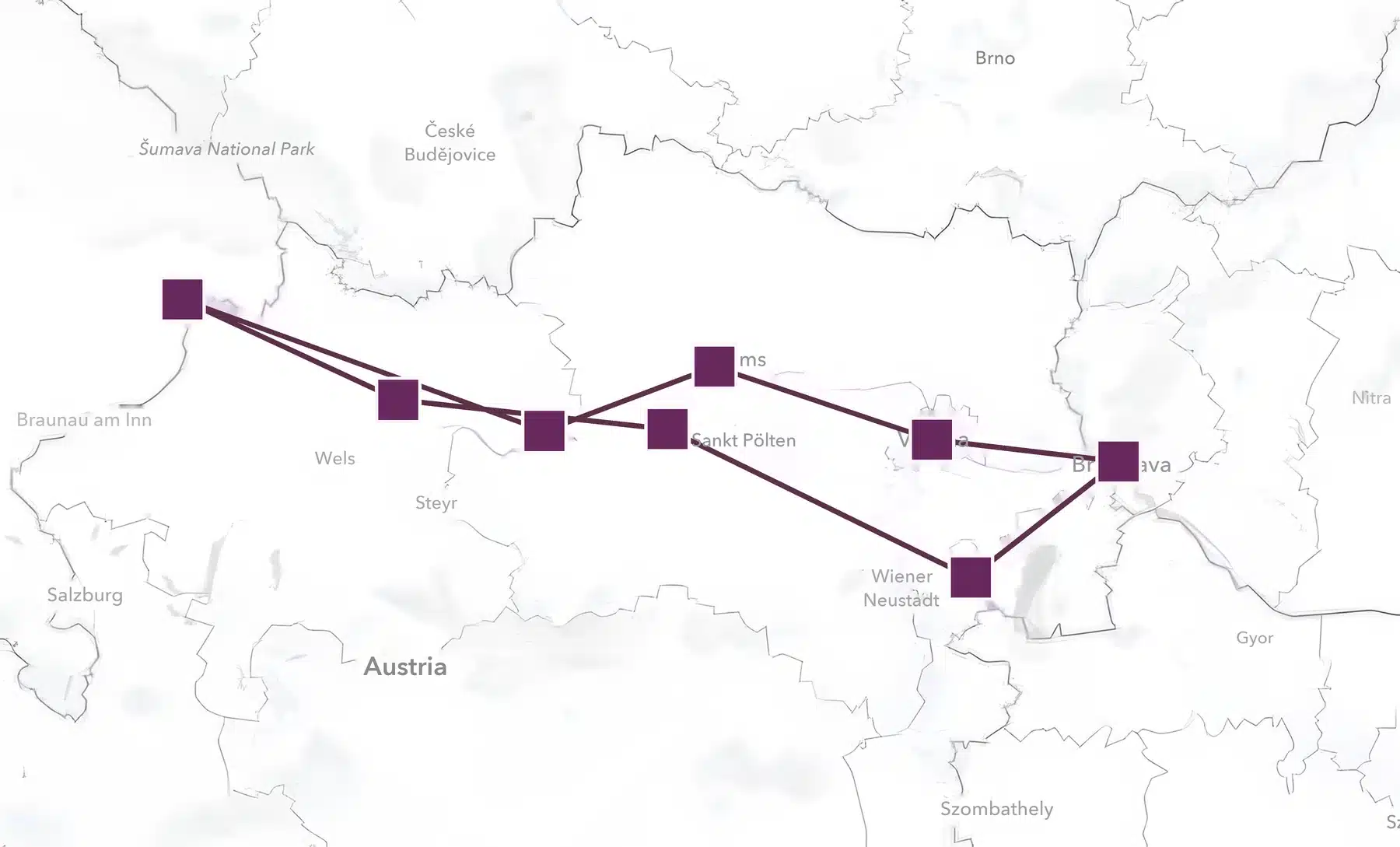
Make your way to Passau independently. For travel options, please ask our expert consultants for assistance.
The ship is ready for boarding from 4.00pm. Afternoon tea is available upon arrival.
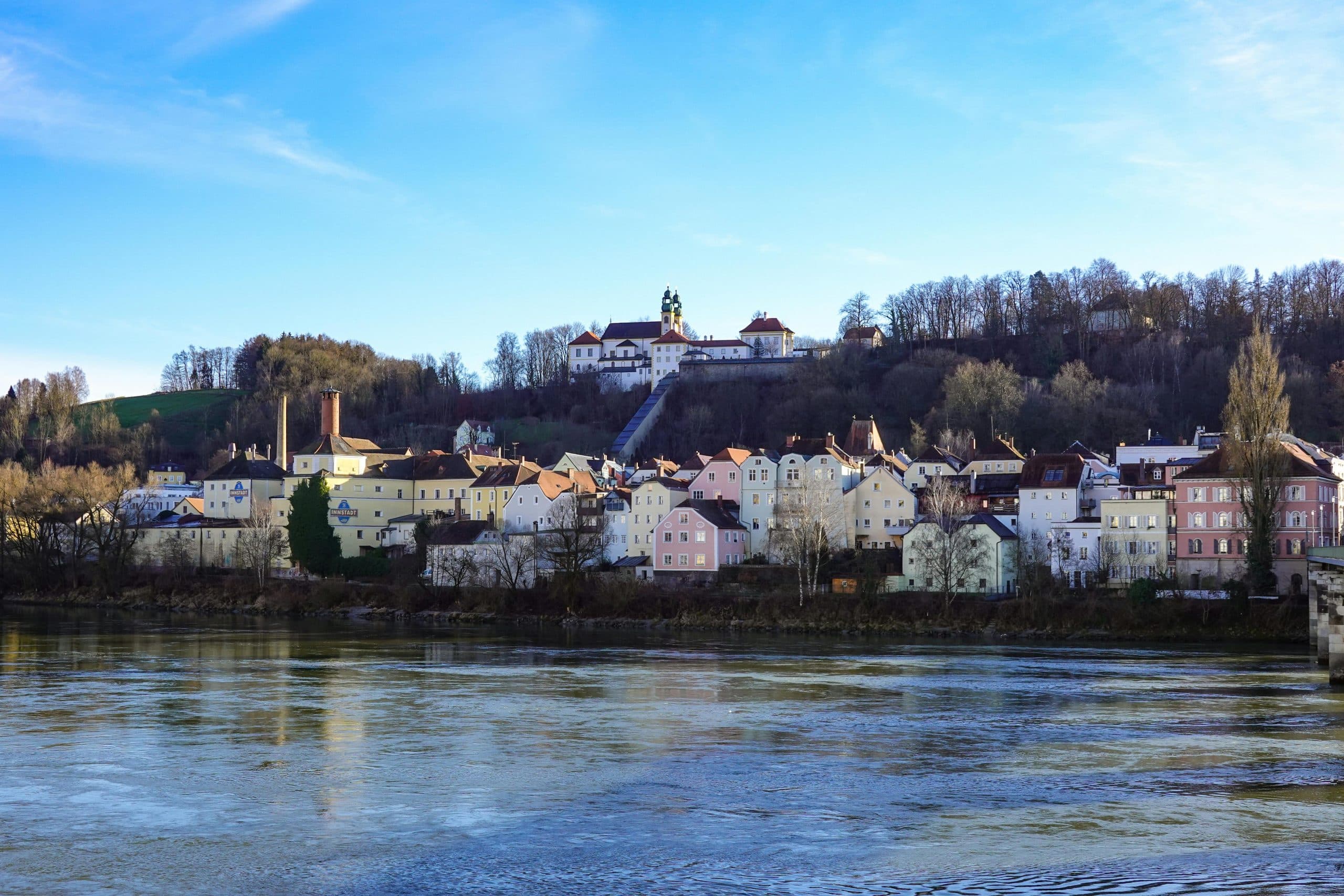
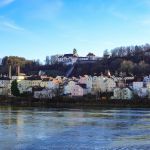
Piled up on promontories at the confluence of three rivers, the Bavarian city of Passau is crammed with historic buildings, dominated by the great Baroque cathedral. It was one of the most important episcopal seats in Central Europe and served as a refuge for the Habsburg court in times of danger.
The ship sails at 6.30pm. A reception is followed by dinner.
Friday 9 July
Moor at Grein, a charming little town squeezed between the Danube and the hills with a 16th-century Schloss rising to one side. The series of daily talks begins.
It is a short walk from the ship to the main square where the tiny theatre lies hidden within the town hall. Built in 1791 on the banks of the Danube, the Stadttheater Grein is the oldest surviving civic theatre in Austria still used for performances today. Remarkably intact, its tiny wooden stage, painted scenery and intimate auditorium preserve the atmosphere of an eighteenth-century playhouse.
Recital, 10.00am: Grein, Stadttheater
Classical Mandolin
Raffaele La Ragione mandolin
Cristiano Gaudio fortepiano
The eighteenth century mandolin is a delight to hear: its sound is light, charming, and fresh, though also expressive in the right hands. The four composers in this programme illustrate its full range, from the classical restraint of Vincent Neuling’s Sonata to the joi de vivre of four early Beethoven works from the 1790s. Expect impressive feats from the Bortolazzi Sonata Op.9, written to showcase the composer’s own skill on the instrument, pushed even further by the expansive Hummel Grande Sonata Op.37a, especially in the dance-like finale.
Return to the ship, which during the afternoon passes through some of the most gorgeous riverine landscape in Europe, the wine-producing region of the Wachau.
Moor at Dürnstein, perhaps the loveliest little town on the river. The ruins of a castle in which Richard the Lionheart was imprisoned cling to a steep hill which rears behind, while a gorgeous Baroque abbey church perched above the river signals the monastery, venue for the evening concert.
Recital, 8.15pm: Dürnstein Abbey, Prälatensaal
Mozart+
Paul Lewis piano
This performance explores variations. The two popular Mozart Sonatas that frame the programme, K284 and K331, both include them as movements, the former based on an elegant gavotte, the latter on a lullaby-like siciliana (the whole piece then finishing with the famous ‘Rondo alla turca’). Mendelssohn’s Variations sérieuses are more soulful, maintaining the searching quality of the theme even through its virtuosic transformations. Copland’s Piano Variations from 1930 are bracingly modern in comparison, by turns grand and introspective, but always with the clean austerity of a Bauhaus building.
Return to the ship for dinner. Sail overnight to Vienna.
Saturday 10 July
Wake up at a mooring 20 minutes from the centre of Vienna.
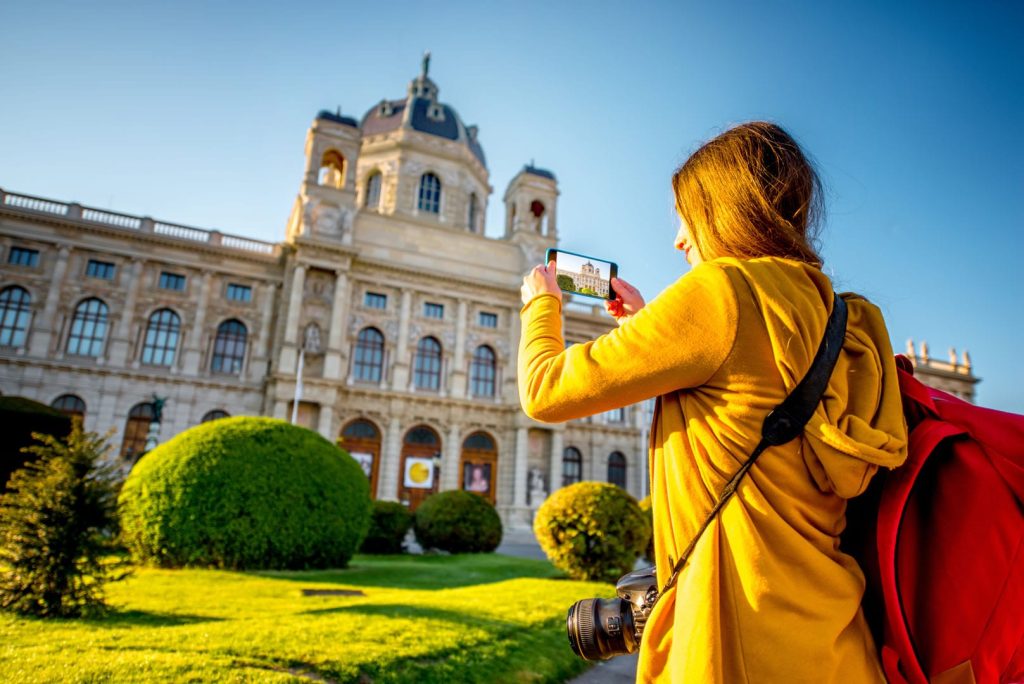
Principal seat of the Habsburgs for over 600 years, Vienna became capital of a extensive agglomeration of territories that encompassed much of central and eastern Europe. The fabric of the city is a glorious mix of the magnificent and the charming, the imperious and the unpretentious. It remains one of the world’s greatest centres for the arts, and has no rivals for its dominant place in the history of music.
The morning is free to explore the city and visit a museum or two. The Kunsthistorisches Museum should not be missed, the Belvedere Palace has paintings by Klimt, the Beethoven apartment is fascinating, MAK an exciting museum of decorative arts.
Concert, 4.00pm: Palais Ferstel
Haydn’s Cello Concerto No. 1
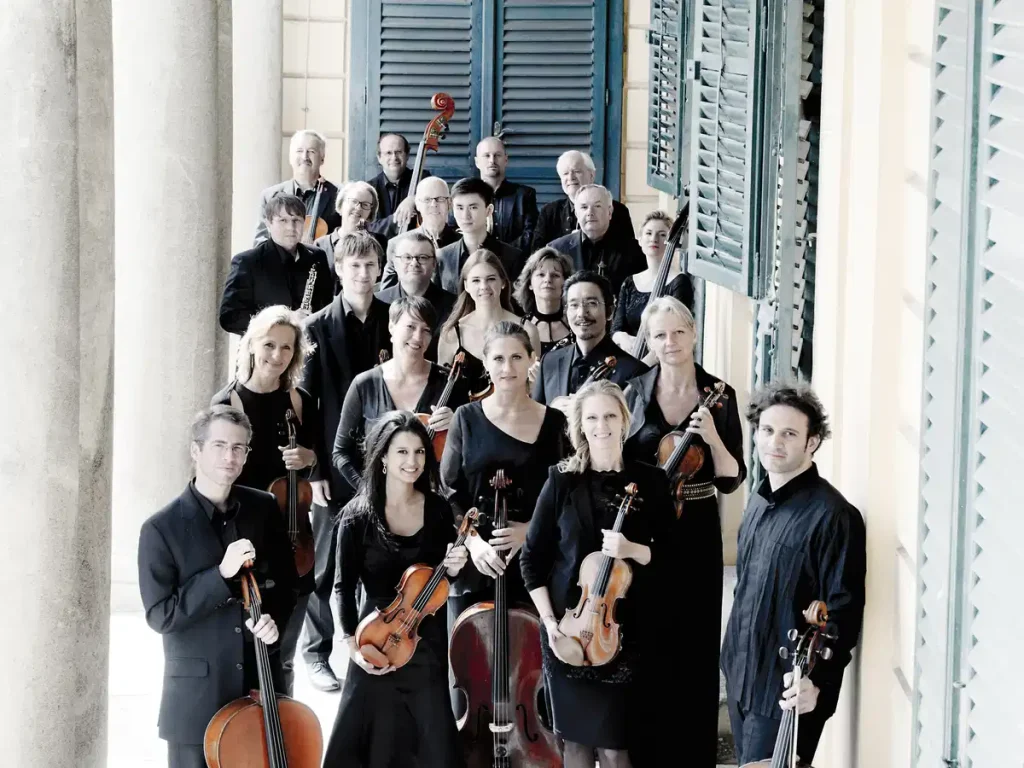
Vienna Chamber Orchestra
Narek Hakhnazaryan cello
One of the benefits of Haydn’s position as Kapellmeister for the Esterházy family was that it gave him access to superb musicians. It is very likely that his Cello Concerto No.1 was written for the lead cellist in the court orchestra, Joseph Franz Weigl, who must have been extremely capable. Aside from the grand chords in the first movement and furious passagework in the finale, Haydn gave Weigl plenty of sustained notes throughout to show off the beauty of his tone. It remains a gift for cellists in the present day.
Return to the ship for dinner. Sail throughout the evening, to Bratislava.
Sunday 11 July
The ship moors in the early morning in Bratislava.
Now capital of Slovakia, Bratislava was for 70 years the second city of Czechoslovakia and for 300 years before that the capital (as Pressburg) of the Habsburg rump of Hungary while Ottoman Turks occupied most of the country. Its compact historic centre is a dense mesh of unspoilt streets, squares and restored façades.
Concert, 10.30am: Bratislava, Primatial Palace
String Quartets
Quatuor Arod
Haydn’s Op.76 quartets crystallised forty years of experience in the form into a set of unparalleled brilliance. We will hear No.5 of the set, which passes from pastoral grace to sad profundity to wit and sparkle. It is not hard to see why Beethoven was so intimidated by his precursor, going to extreme lengths to refine his Op.18 set before publication. The stormy intensity of No.4 in C minor puts it in another world from Haydn, and sets the stage for the frenzied, folk-inspired sound of Bartók’s Quartet No.4.
After lunch take a short drive to Schloss Eckartsau. Though only 25 miles from Vienna, the Marchfeld is surprisingly rural, an alluvial plain ringed by mountains, and significant in Austrian history as a hunting ground and field of battle.
Schloss Eckartsau is an enchanting Baroque hunting lodge which was extended for Archduke Franz Ferdinand (he of the Sarajevo assassination in 1914) and became the final Austrian residence of Charles, the last Emperor of Austria.
Recital, 4.00pm: Schloss Eckartsau
Die schöne Müllerin
Benjamin Appl baritone
James Baillieu piano
There can be no more quintessential experience of a lieder cycle than Schubert’s Die schöne Müllerin. Based on twenty of the poems that Wilhelm Müller published in 1821, Schubert elevated the story of the wandering miller to exceptionally Romantic heights. It is one of the great tests for lieder singers to navigate the transitions from bouncy optimism to hopeless despair via lovesick enchantment and jealous rage, and to capture the character of the ever-present stream that eventually joins the miller in dialogue at the end.
Remain moored in Bratislava until the early morning.

Monday 12 July
Sail throughout the morning, with a talk on board.
Drive to Eisenstadt, an attractive country town to the south-east of Vienna. It is dominated by a vast 17th-century mansion, the principal seat of the Esterházy family, famously Haydn’s patrons for much of his life.
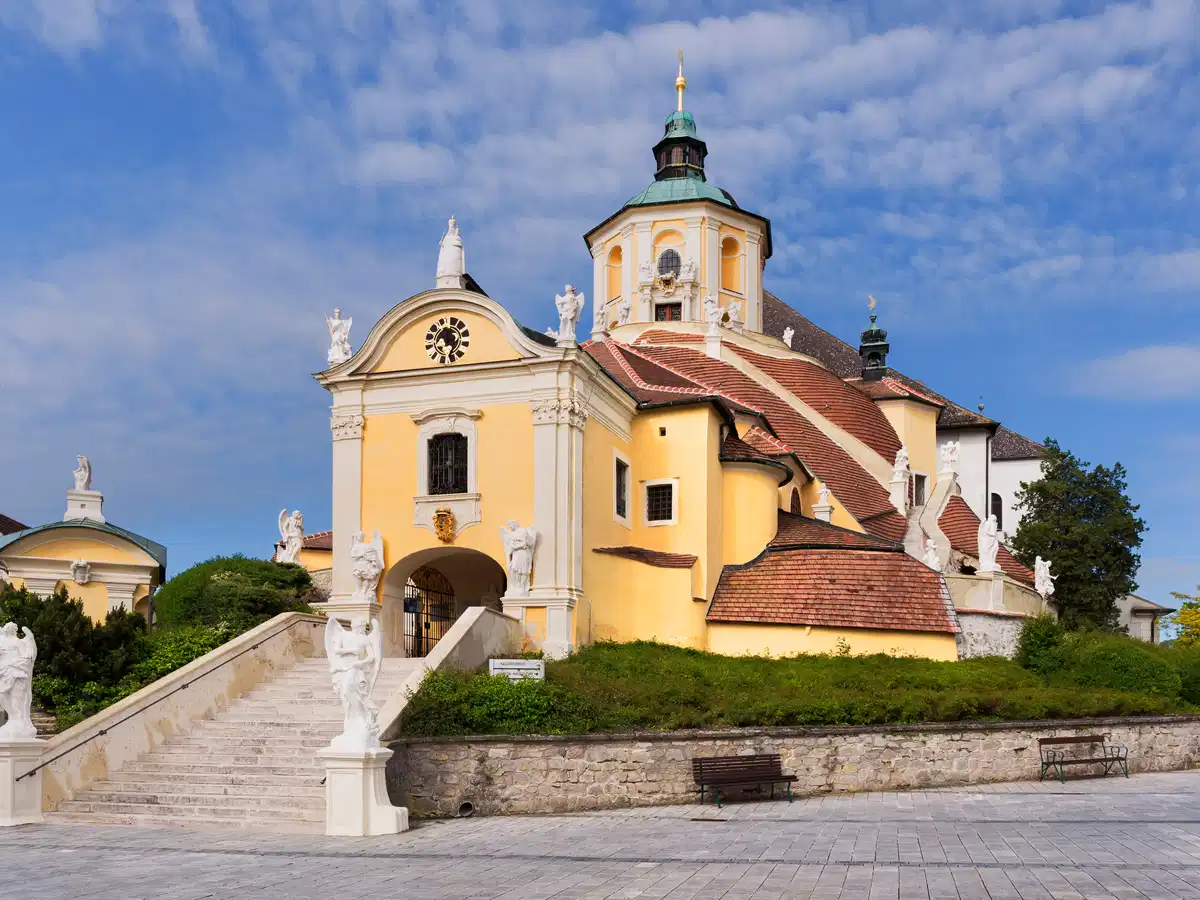
Completed in 1807 under the patronage of the Esterházy princes, the Bergkirche is one of Eisenstadt’s most distinctive Baroque churches, crowned by its curious artificial hill and Calvary chapels. The church is closely associated with Ludwig van Beethoven, who conducted the premiere of his Mass in C major here in September 1807. The concert takes place beneath the church’s lofty dome and richly decorated galleries.
Concert, 4.00pm: Bergkirche
Mass in C
Vienna Chamber Choir
Haydn wrote an annual mass for Princess Maria Esterházy’s name-day, and when his health failed Beethoven stepped in for the 1807 instalment. The resulting Mass in C paid homage to the master, especially in the grandeur of the Gloria, but also demonstrates his own dramatic style in movements such as the Agnus Dei. Admired for its warm, lyrical beauty, it is a deeply human expression of faith. A rare treat is to hear Beethoven’s Elegischer Gesang alongside it, an unusually tender work from 1814 mourning the passing of a friend and patron’s young wife.
Return to the ship for dinner. Sail overnight from Vienna Nussdorf to near Melk.
Tuesday 13 July
Sail upstream throughout the morning.
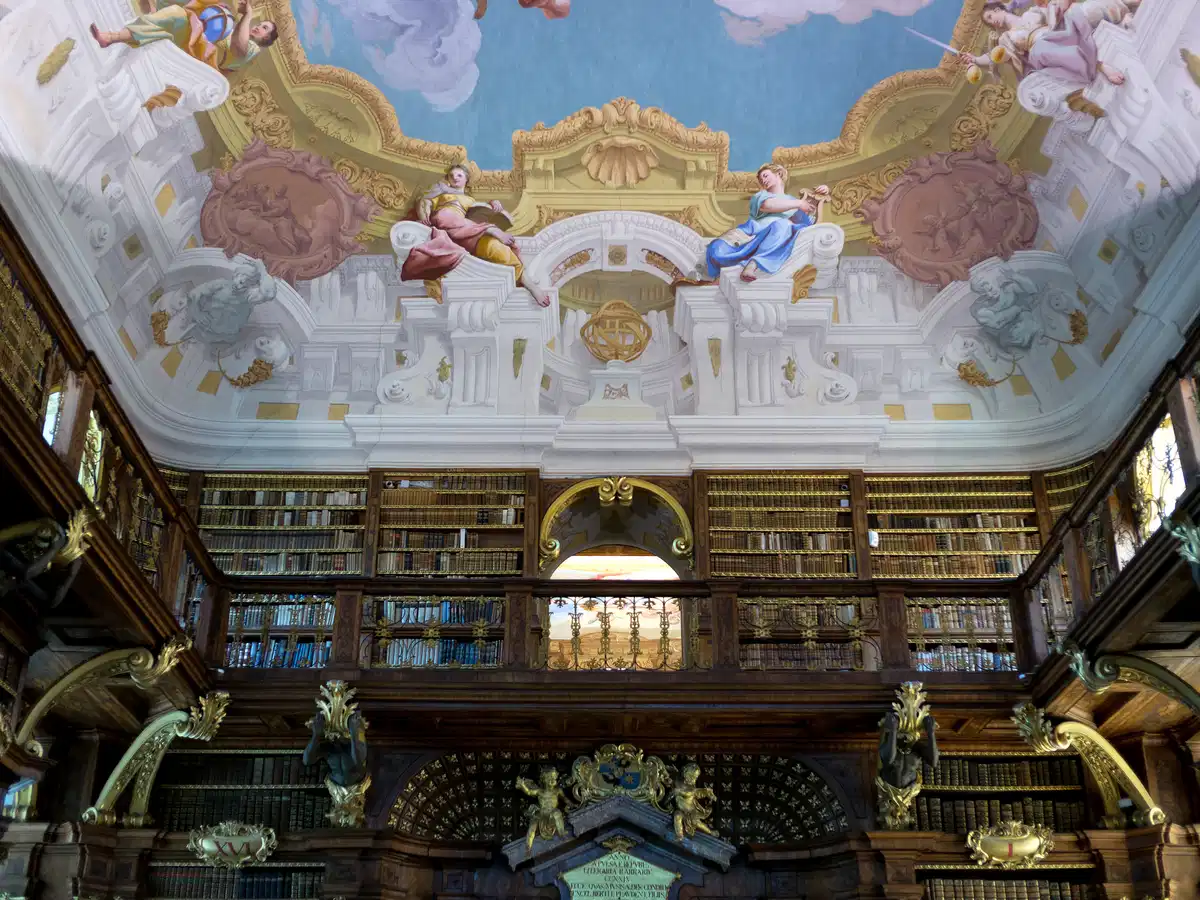
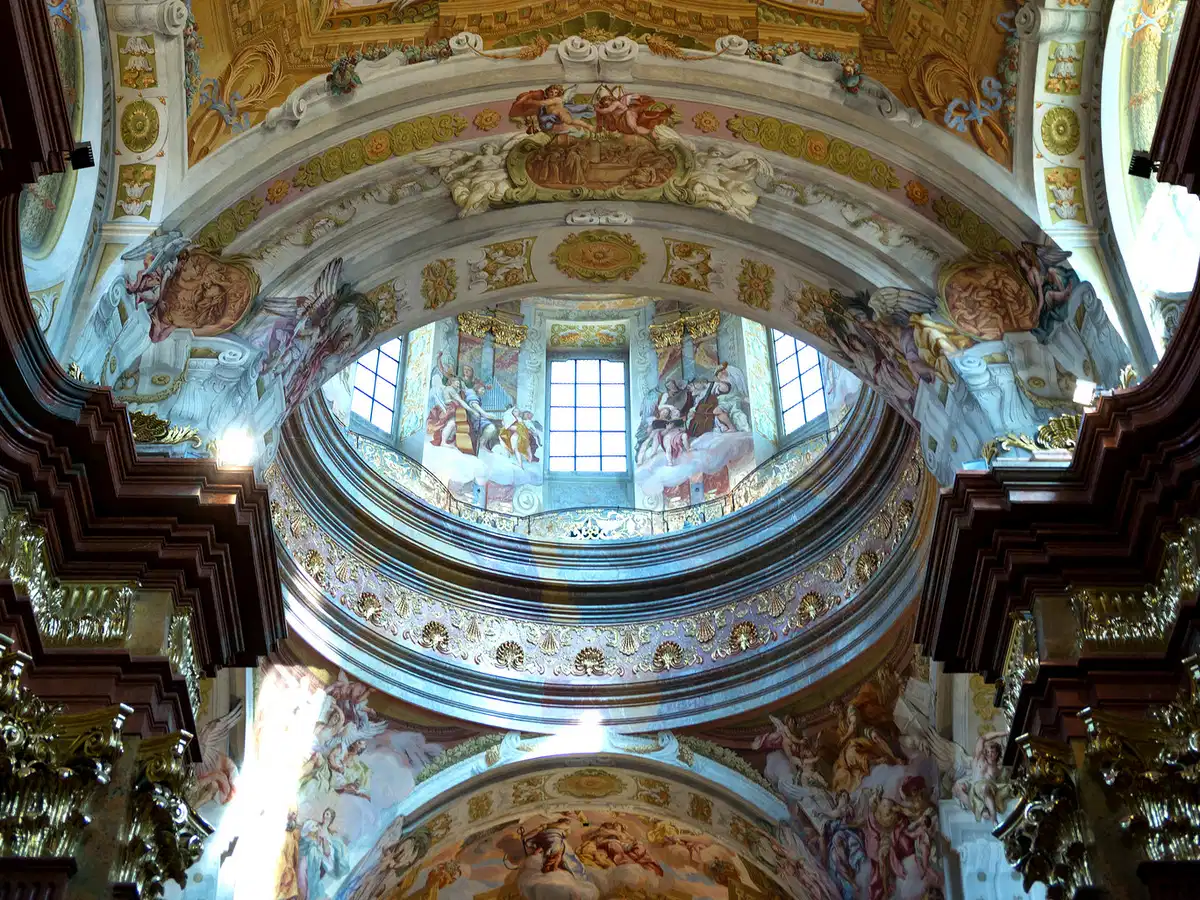
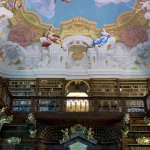
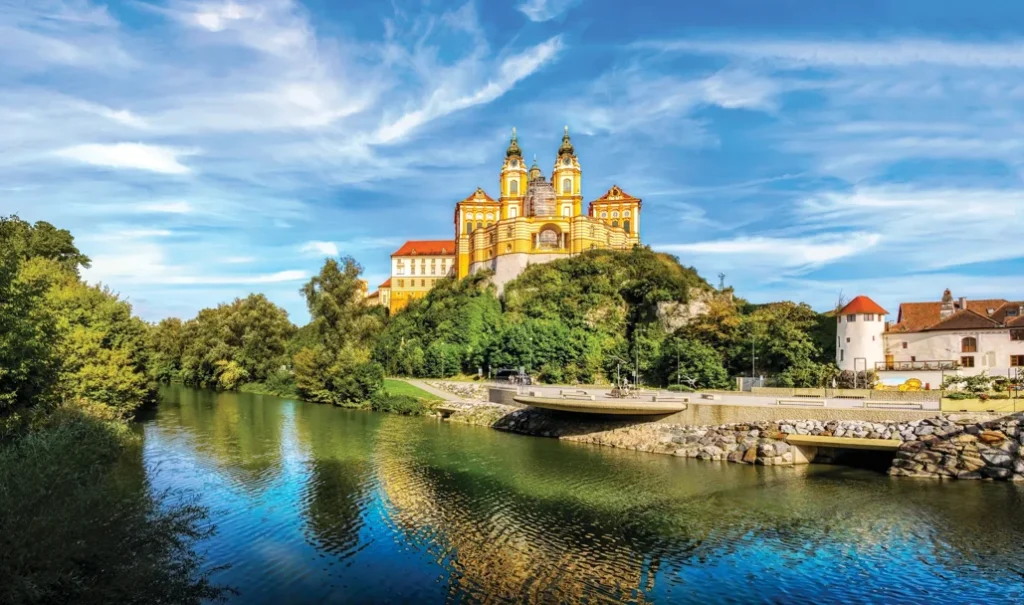
Around lunchtime, the domed abbey of Melk appears ahead on an outcrop beside the river. Its formidable bulk presents to the world an image of awesome power, and there is no diminution of this impression inside. Stone, stucco, paint, gold and all the media at the disposal of craftsmen and artists in the 18th century combine to create some of the giddiest heights ever attained in Baroque art.
A tour of the abbey passes through a sequence of ceremonial courtyards, guest apartments, hall and library, culminating in a church of unsurpassed decorative richness.
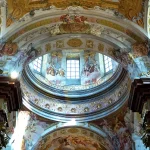
The concert takes place in the Kolomanisaal, the summer refectory of the abbey. Walls and vault are covered in frescoes by Gaetano Fanti and Paul Troger, the leading fresco specialists of their time in the Austrian empire.
Concert, 4.45pm: Melk Abbey, Kolomanisaal
Mozart & Beethoven Wind Quintets
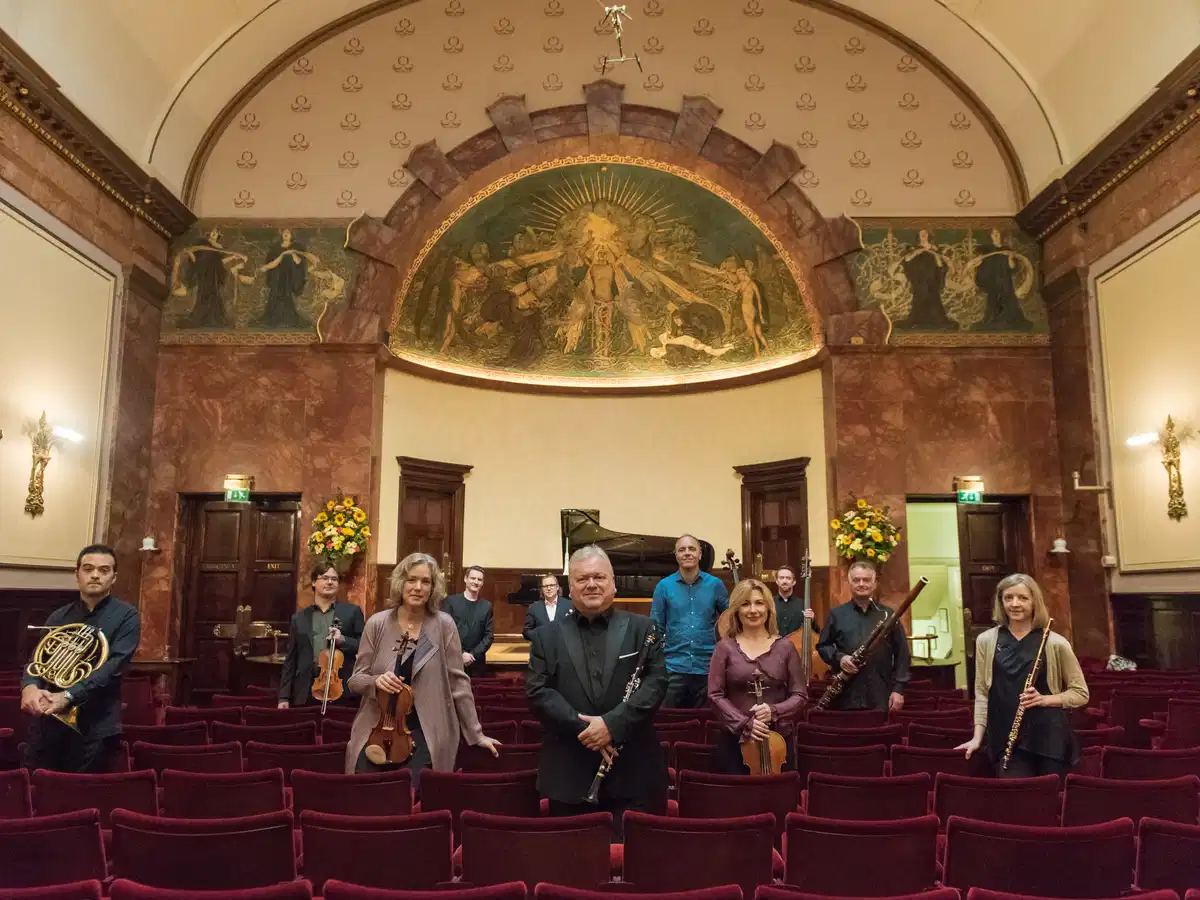
Akademie für Alte Musik Berlin
The popularity of wind bands in eighteenth-century courts led to the finest wind players in the world working in continental Europe. Mozart’s Quintet for Piano and Winds K452 made the most of what they could do, with lyrical and spectacular contributions alongside the scampering of the piano.
Beethoven modelled his Op.16 Quintet on Mozart’s, taking the integration of the whole ensemble to the next level. Anton Reicha felt that such capable players deserved chamber music of their own, and works such as his Quintet Op.91 No.3 pushed the instruments of the day to their limits.
Return to the ship for dinner. Sail upstream, from near Melk to Linz.
Wednesday 14 July
Sail throughout the morning, arriving in Linz just after lunch.
The historic capital of Upper Austria, Linz is a picturesque maze of streets, alleys and historic buildings grouped around a huge market square, only yards from the mooring. There is time for some independent exploration before the afternoon concert.
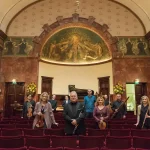
The Palais Kaufmännischer Verein, opened in 1898, is a building of a sort that was a peculiarity of the Habsburg Empire, a suite of richly ornamented rooms and halls for meetings, receptions, balls and concerts. The concert is in the Bildersaal, so called because of wall paintings of historic scenes.
Recital, 4.00pm: Linz, Palais Kaufmännischer Verein
The Romantic Piano
Benjamin Grosvenor piano
This is a programme of Romantic heavy-hitters, including some of the most popular works in the repertoire. We begin with Beethoven’s incomparable ‘Moonlight’ Sonata, passing from darkness to delicacy to roar, here paired with his equally lyrical Sonata Op.109, albeit in a more consistently inward mode. In the second half, Liszt’s flamboyant meditations on three of Petrarch’s sonnets show how a piano can express all the torments of unrequited love, whilst Chopin’s Sonata No.2 puts more emphasis on lament, especially the unforgettable Funeral March in the third movement.
Sail upstream overnight from Linz to Passau, with a reception and dinner against a backdrop of river and wooded hills receding into the dusk.
Thursday 15 July
The ship moors at Passau and coaches leave for Munich city centre and the airport between 8.30 and 9.30am.
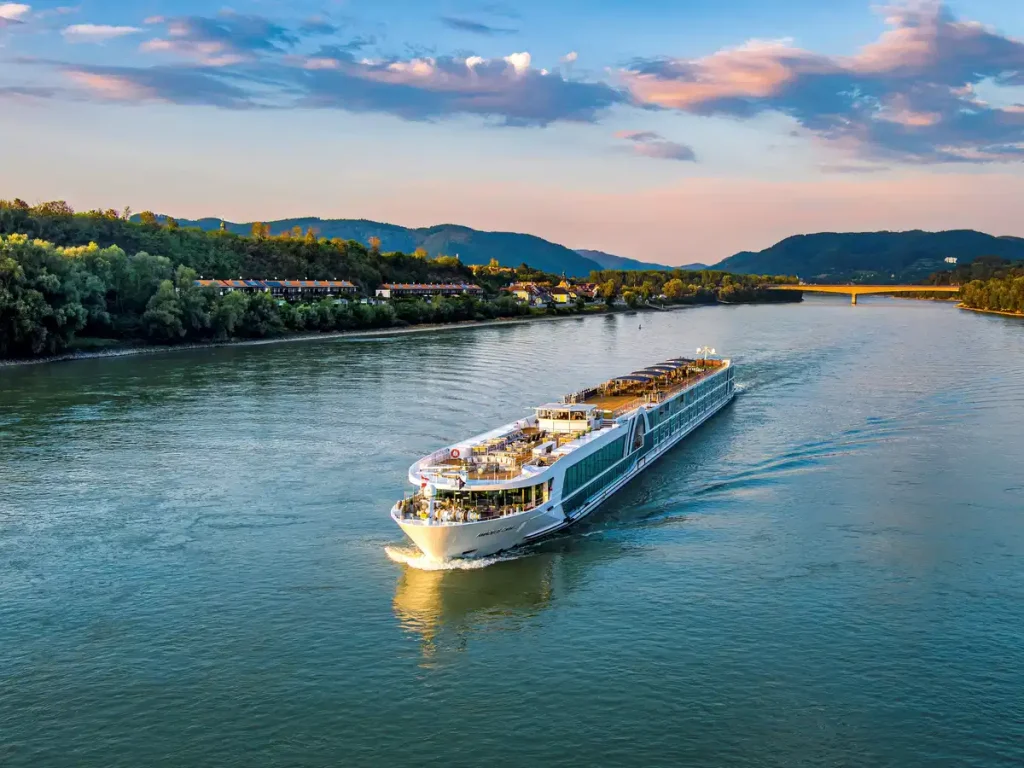
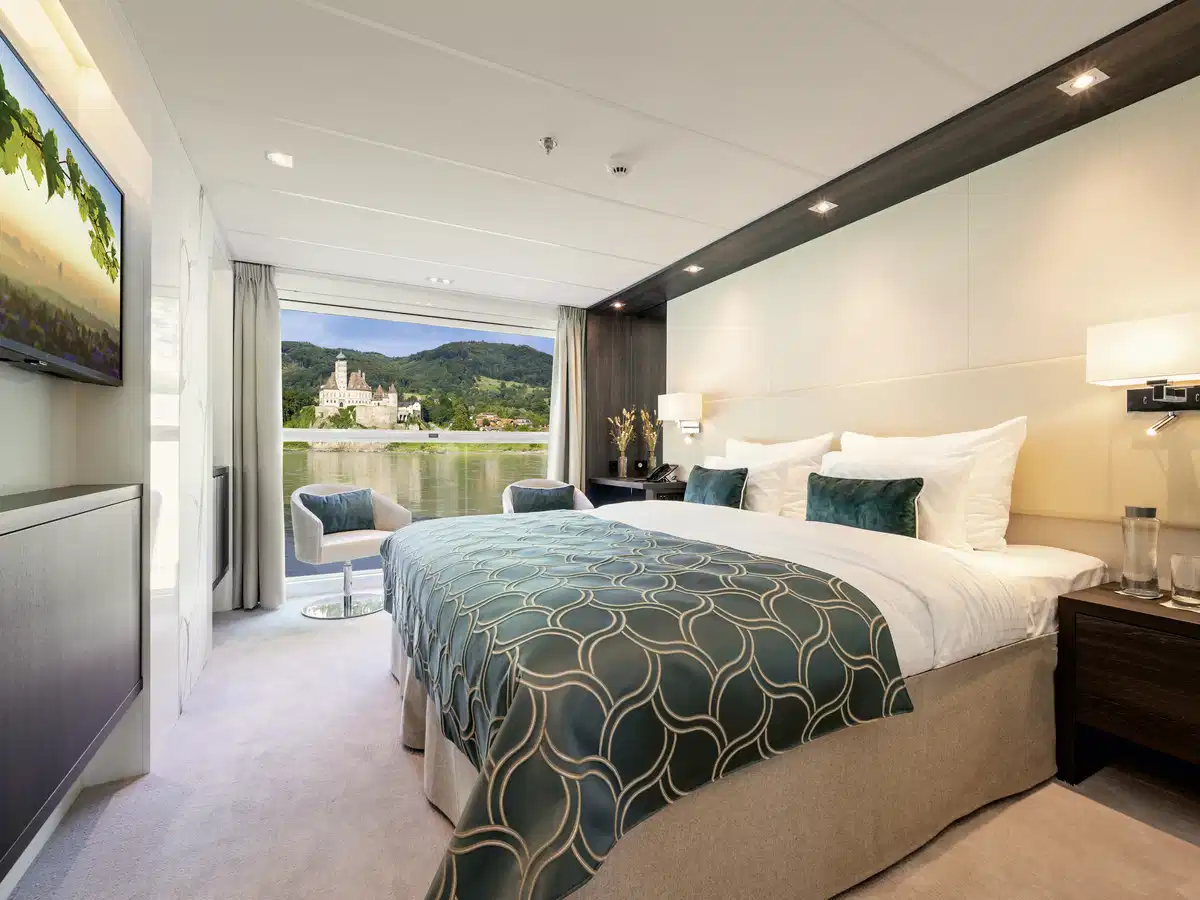
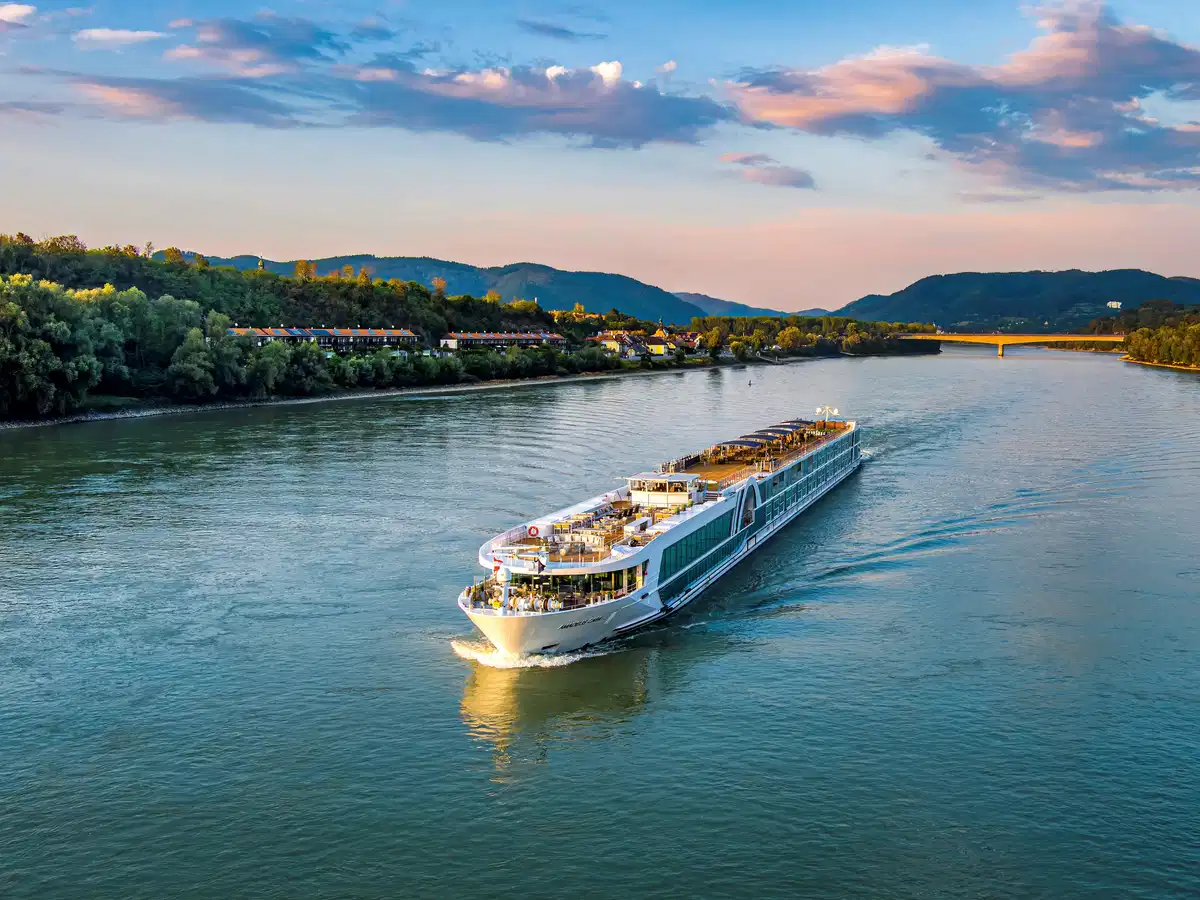
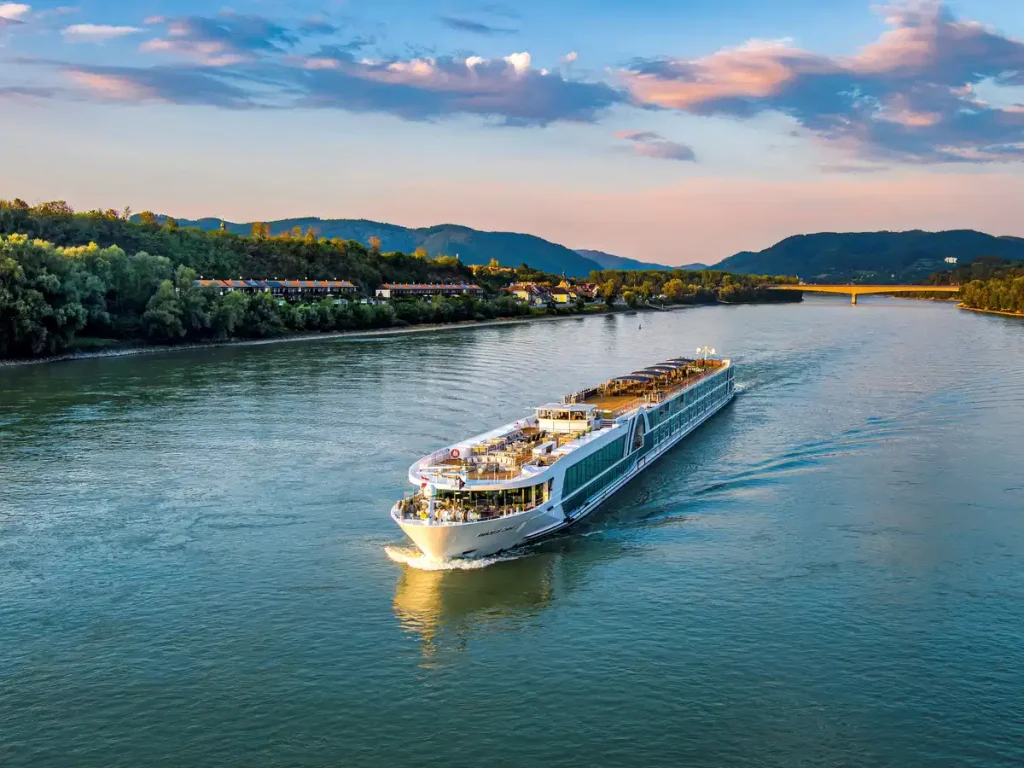
Launched in 2022, the MS Amadeus Cara is one of the most comfortable river cruisers in Europe. The multinational crew is dedicated to the highest standards of service.
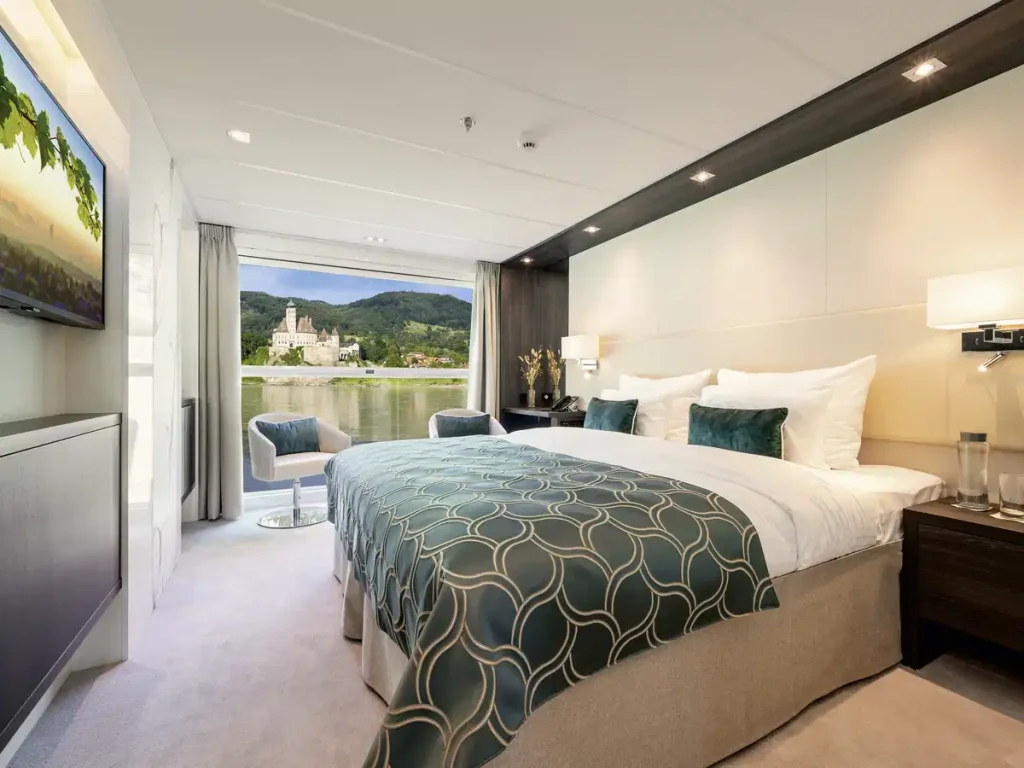
With a floor area of 16m2 (Haydn deck) or 17.5m2 (Strauss and Mozart decks) the cabins are reasonably spacious by the standards of river cruisers. All have windows to the outside and are equipped with the facilities one would expect of a first-class hotel such as adjustable air-conditioning, telephone, TV and safe. Bathrooms have showers only. Special attention has been paid to noise insulation.
In layout and furnishings the cabins are very similar, the significant differences being the size of windows and height above water level (higher cabins enjoy better views and fewer stairs).
Cabins on the top decks (Mozart and Strauss) are the most desirable, with floor-to-ceiling windows which slide open, and minibars. There are ten suites (Mozart) measuring 26.4m2 with a corner sofa area and small balcony. Cabins on the lowest (Haydn) deck have smaller windows which do not open. There are no single cabins as such but we are allocating some twin-bed cabins for single occupancy.
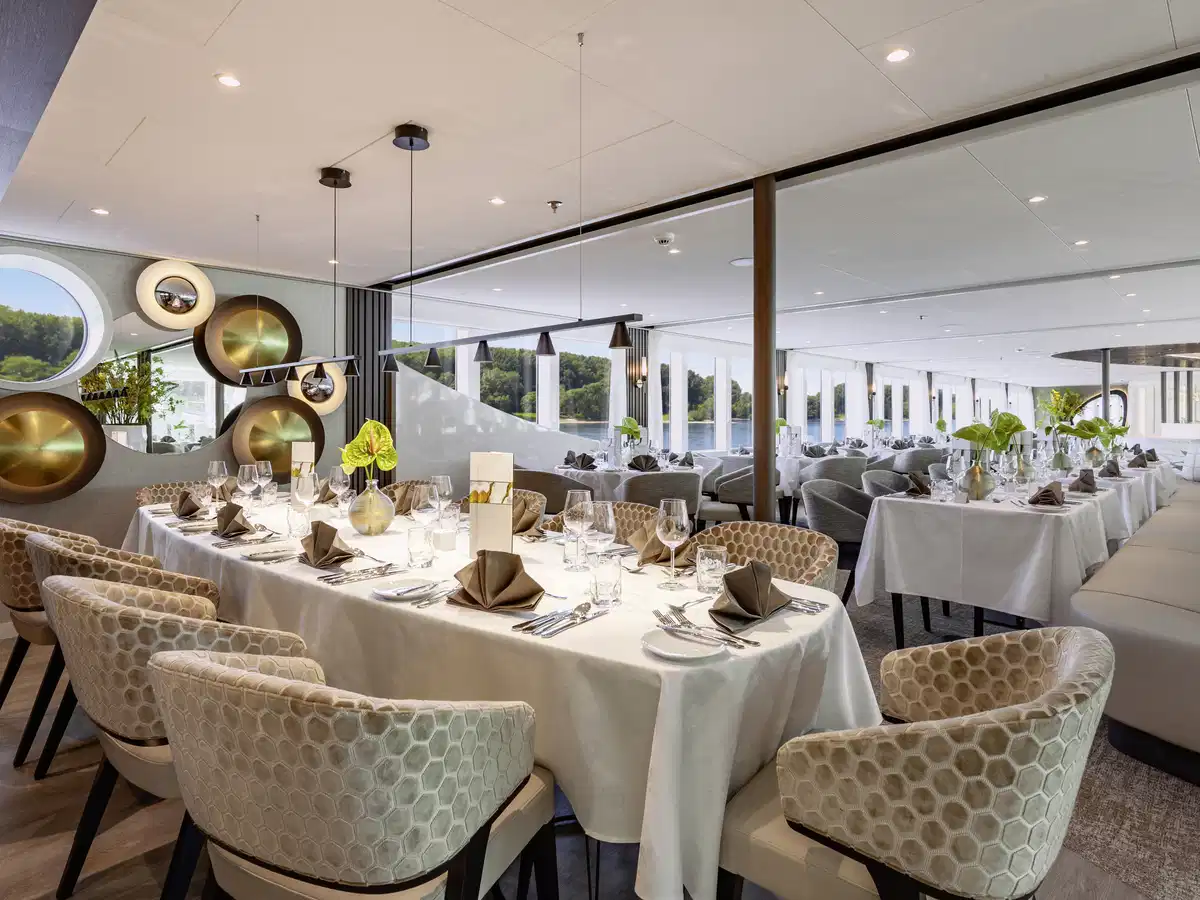
The public areas include the lounge and bar, a library area and a restaurant which can seat everyone at a single sitting. The sun deck has a tented area for shade.

Solo Travellers Save $300*
Discover the beauty of Tuscany on this unforgettable getaway designed especially for solo travellers.
Package With Airfares For Exclusive Savings
Save up to 30% + US$500 onboard credit*
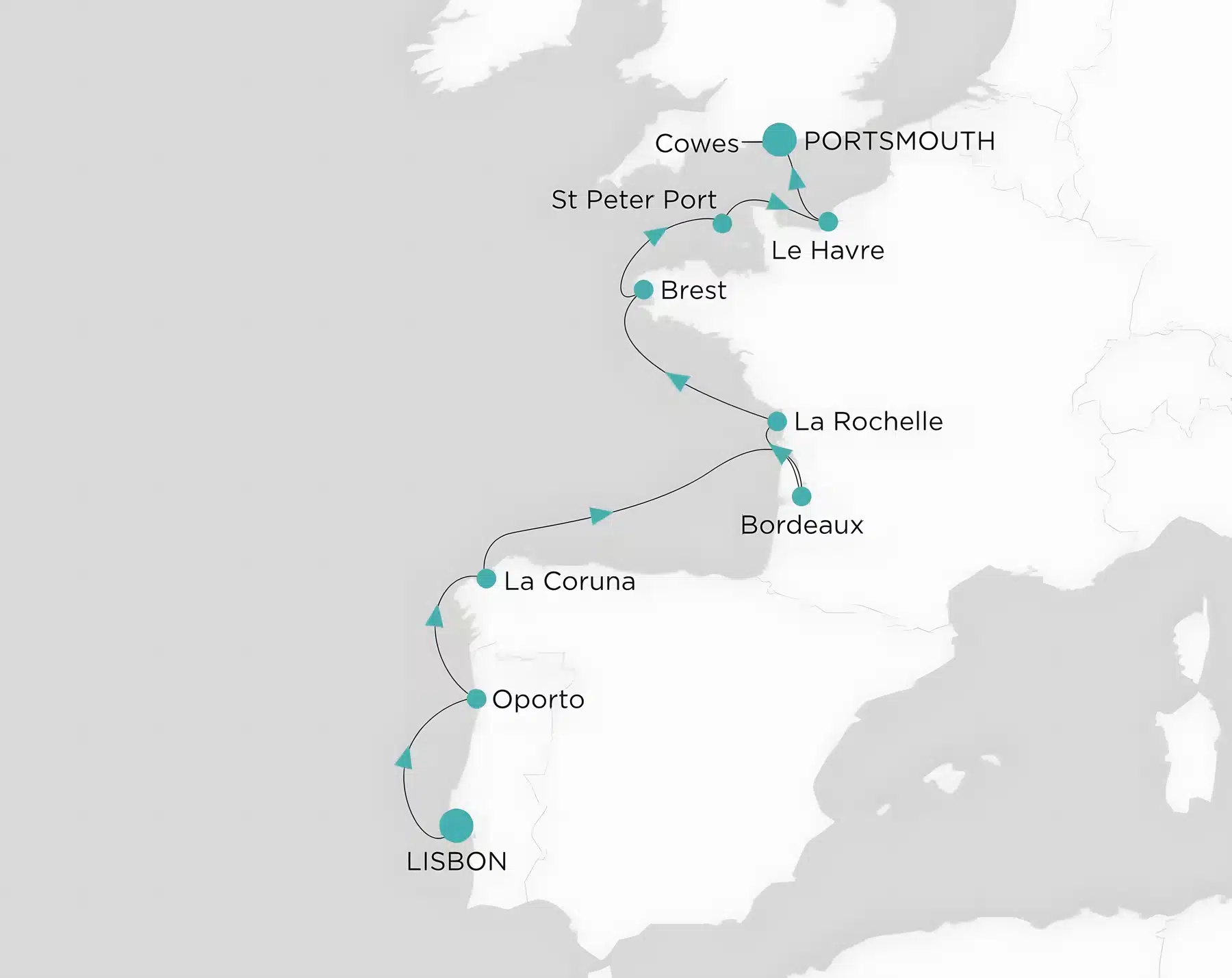
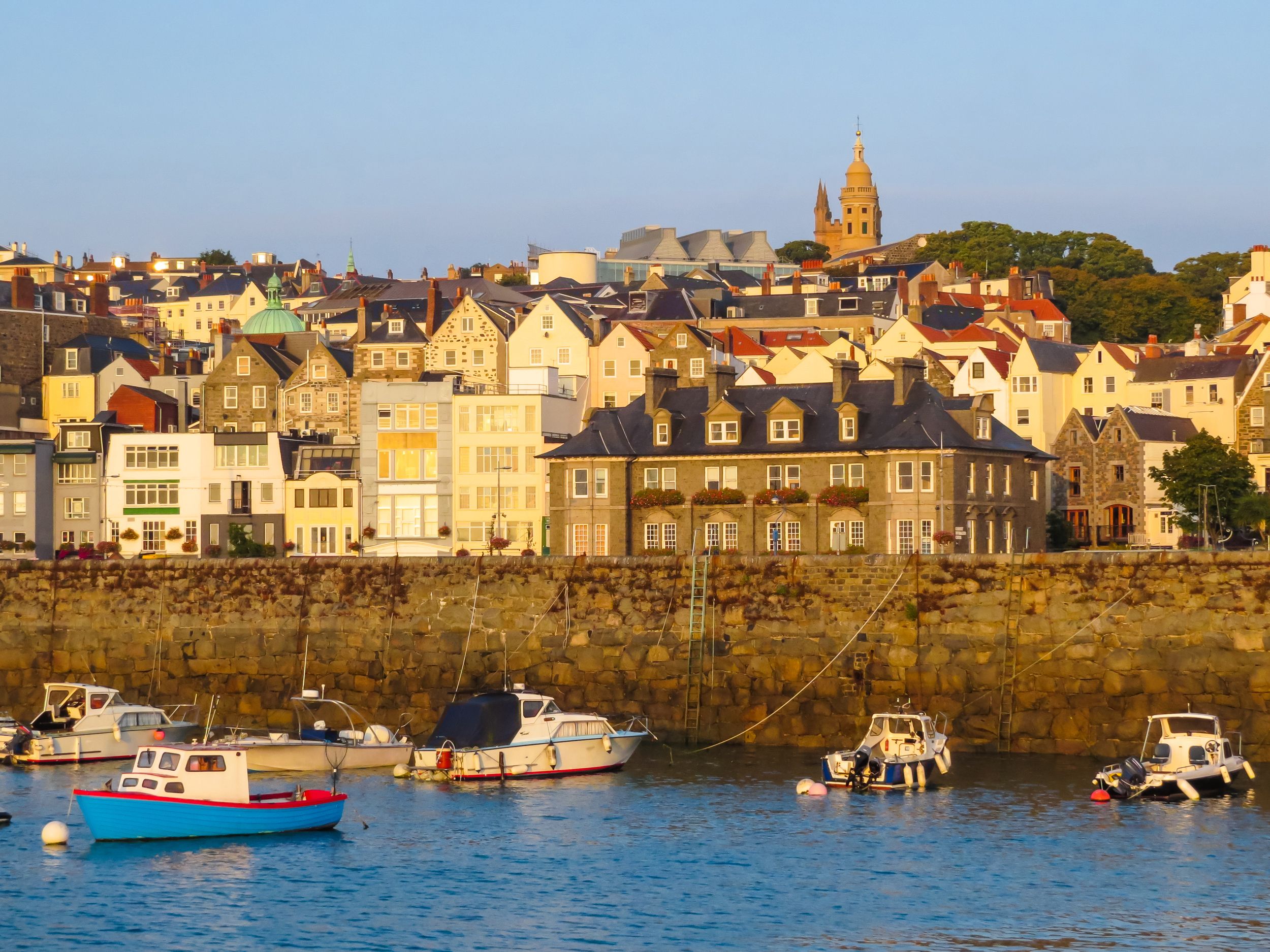
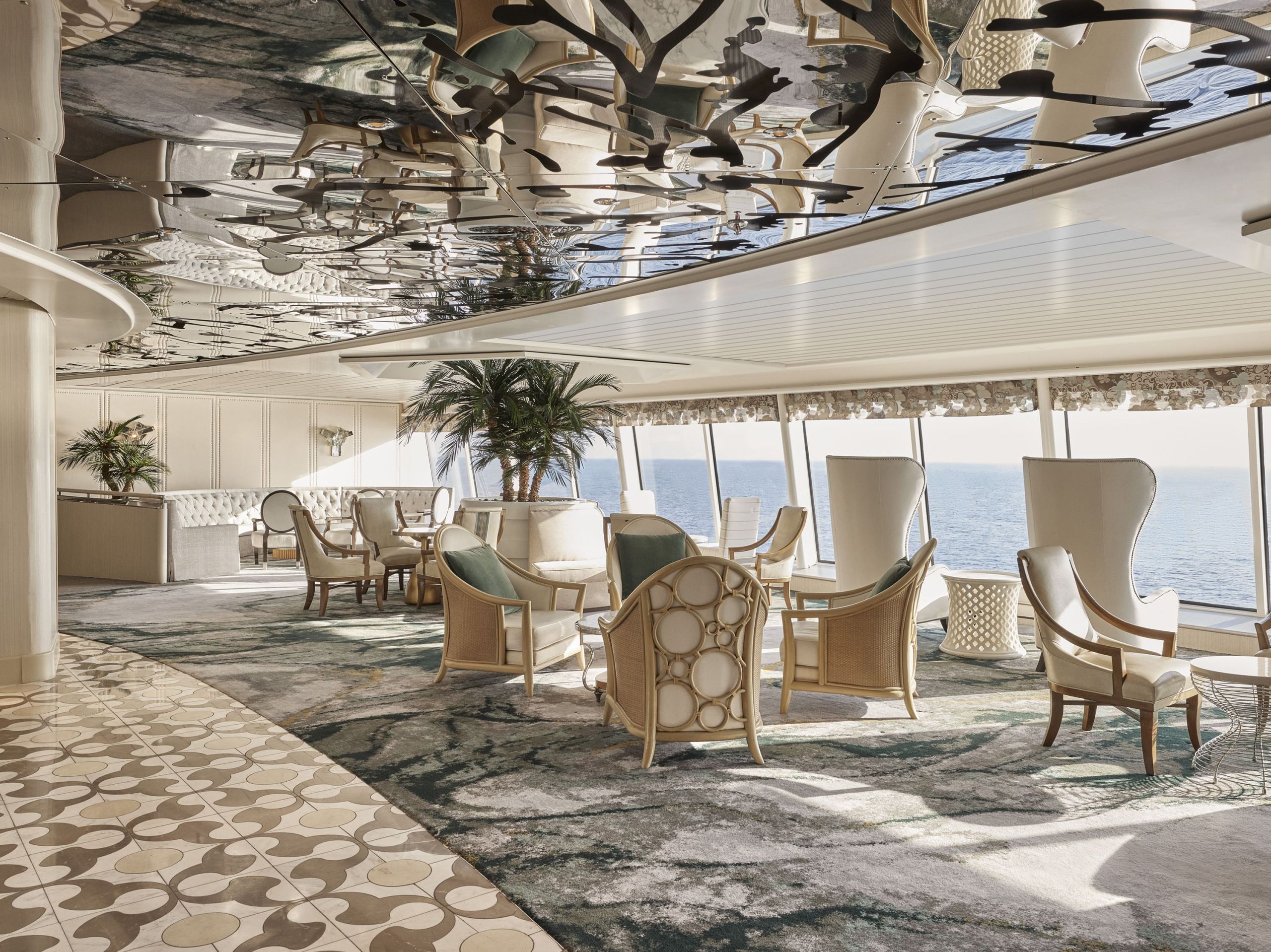
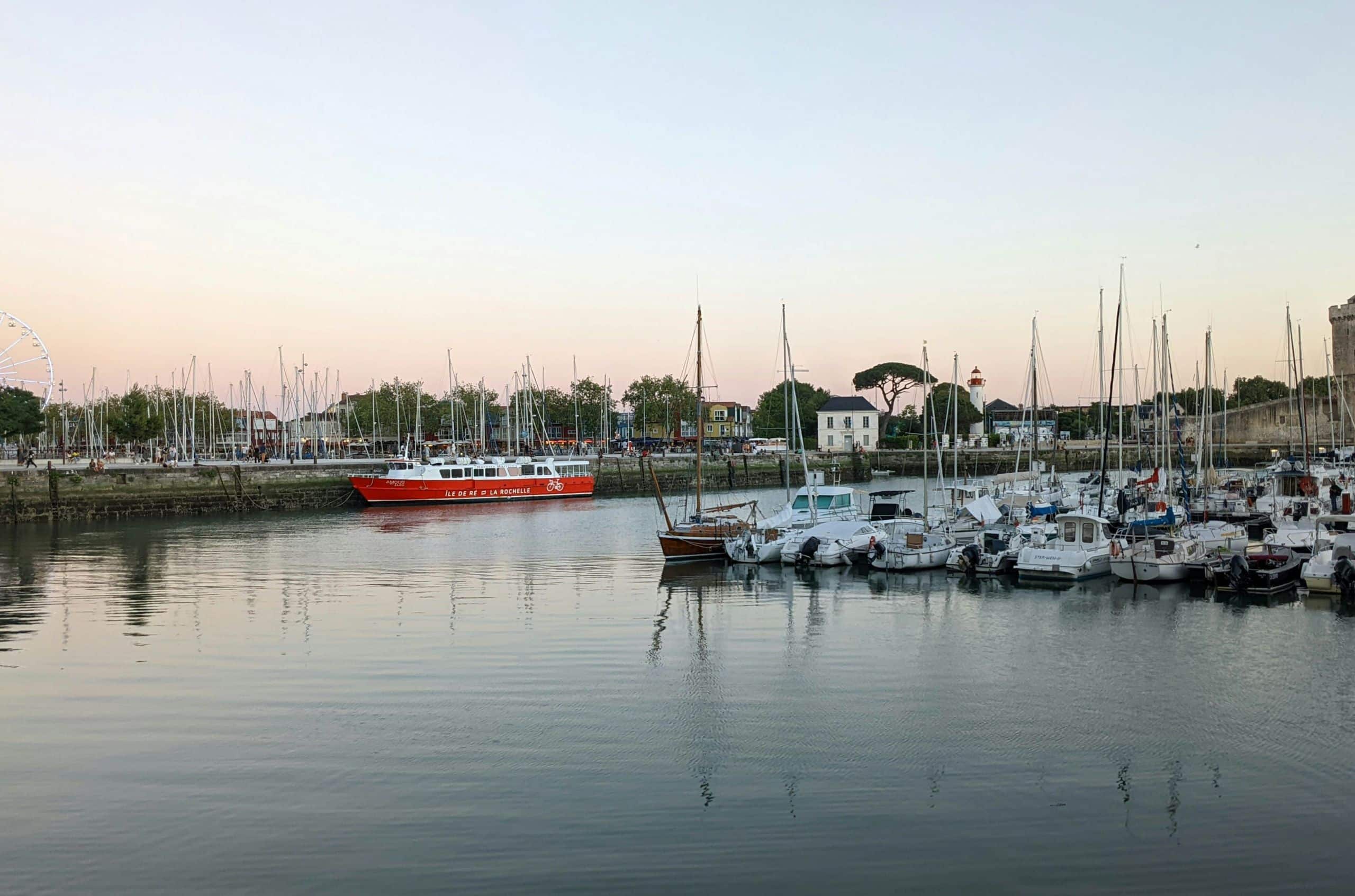
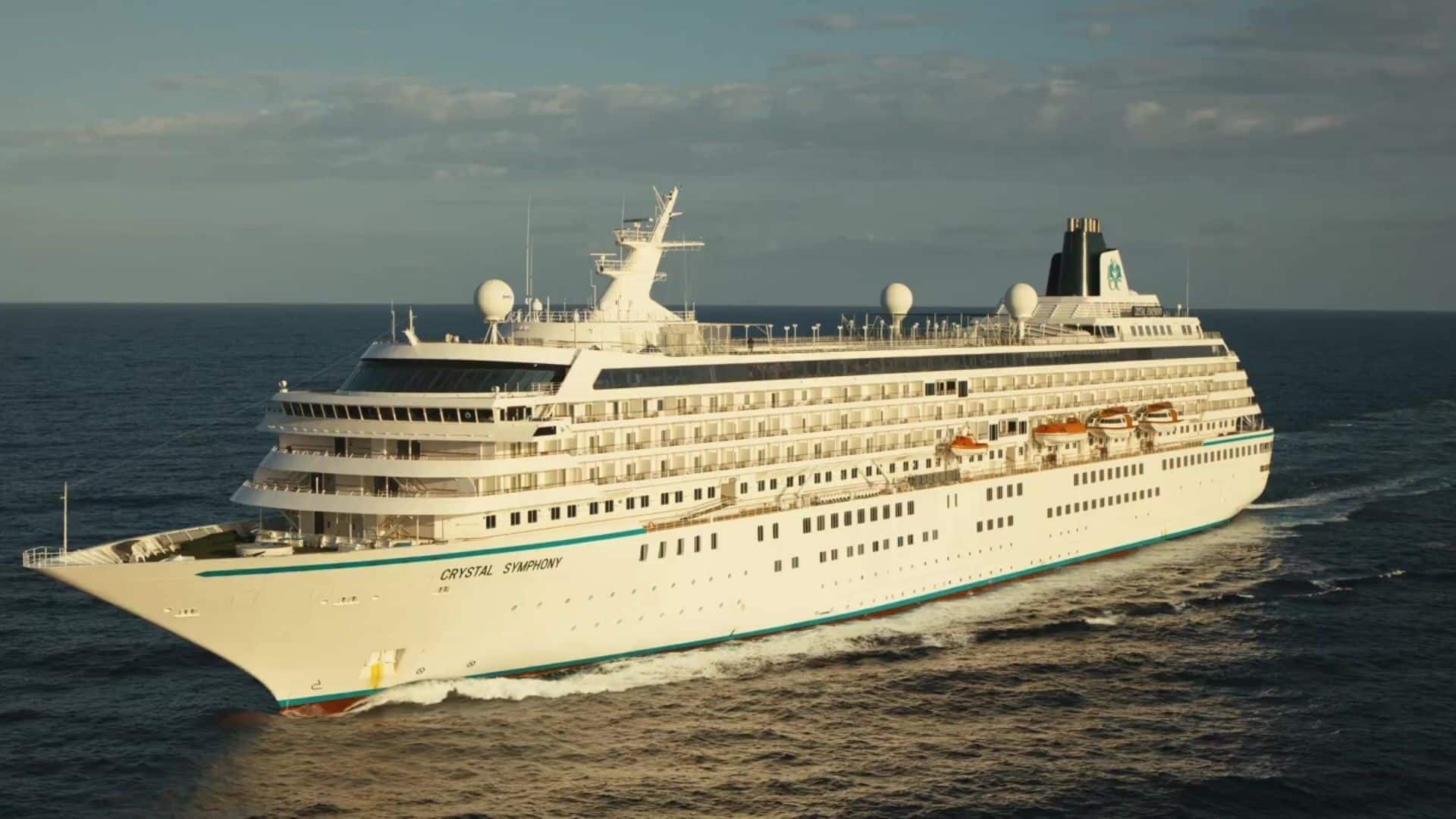
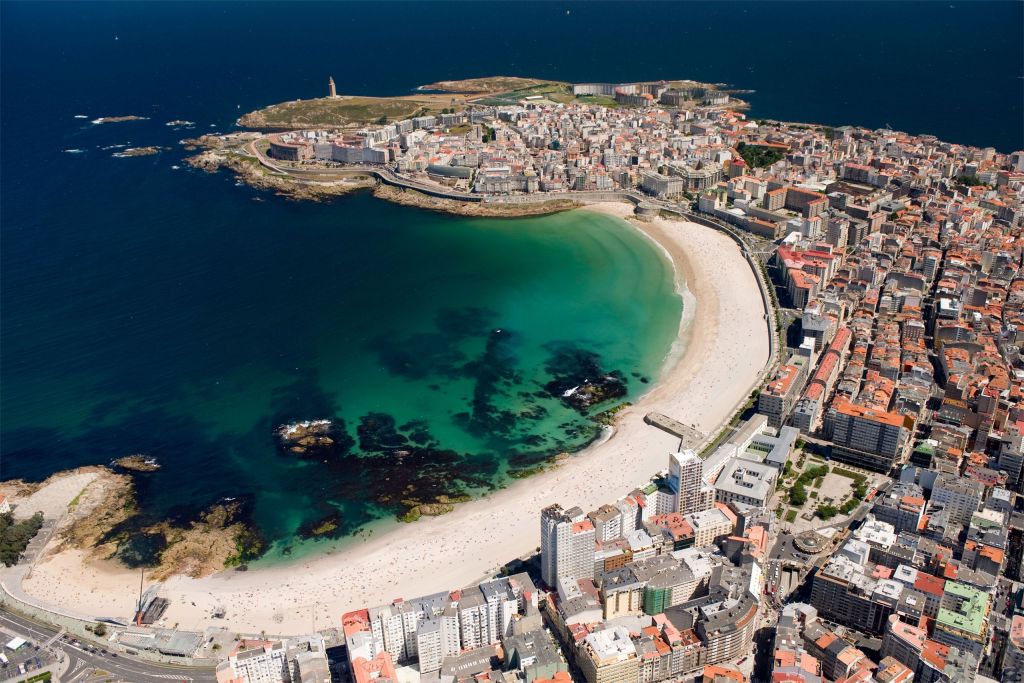
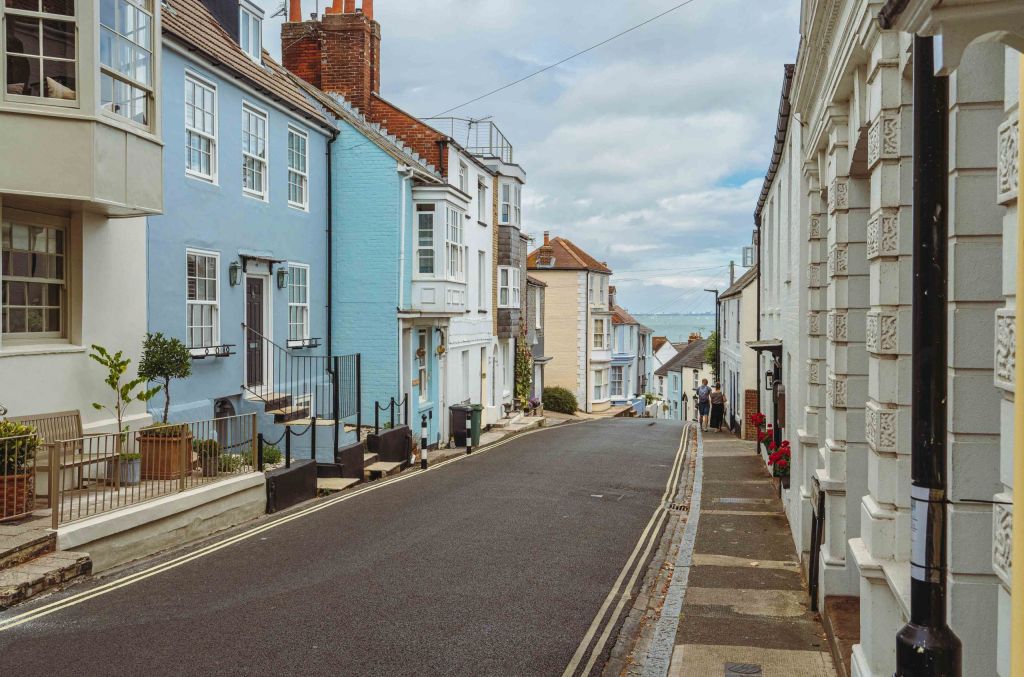
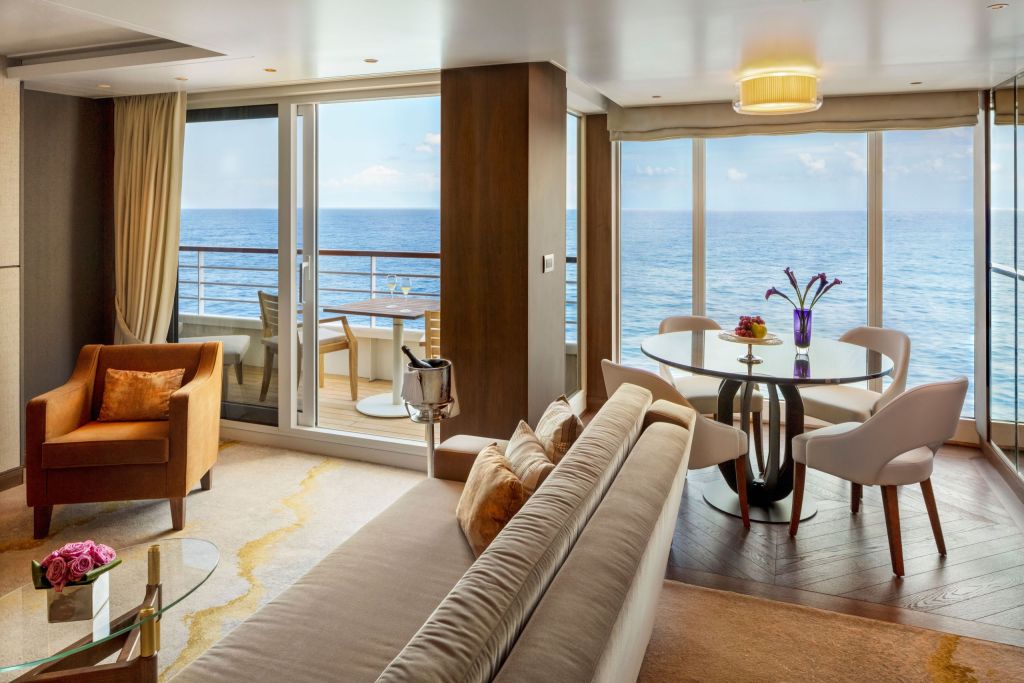
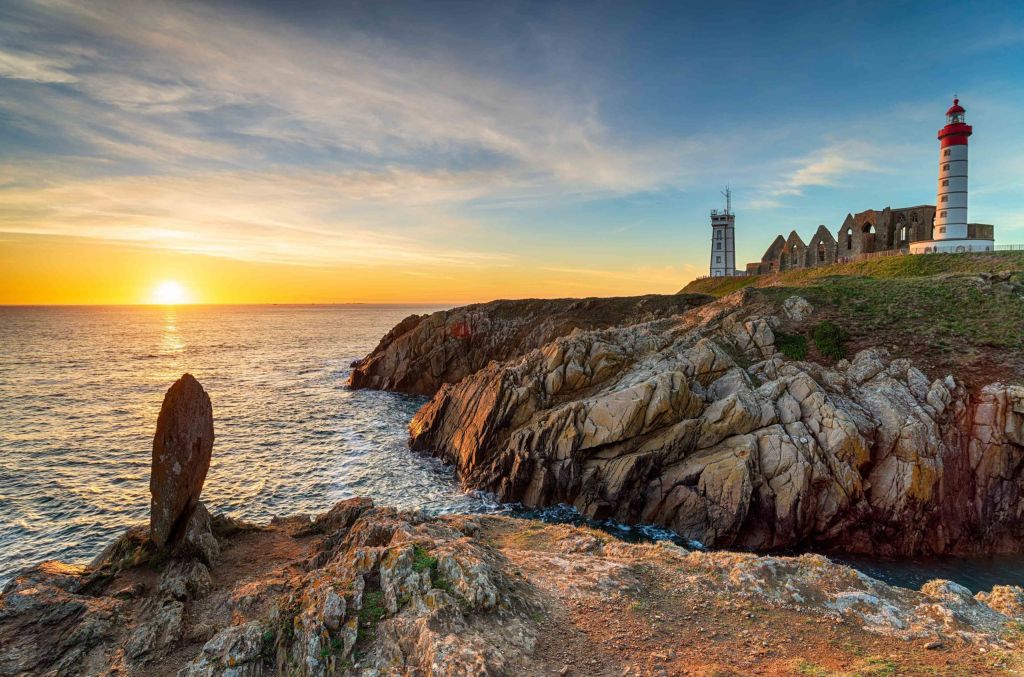
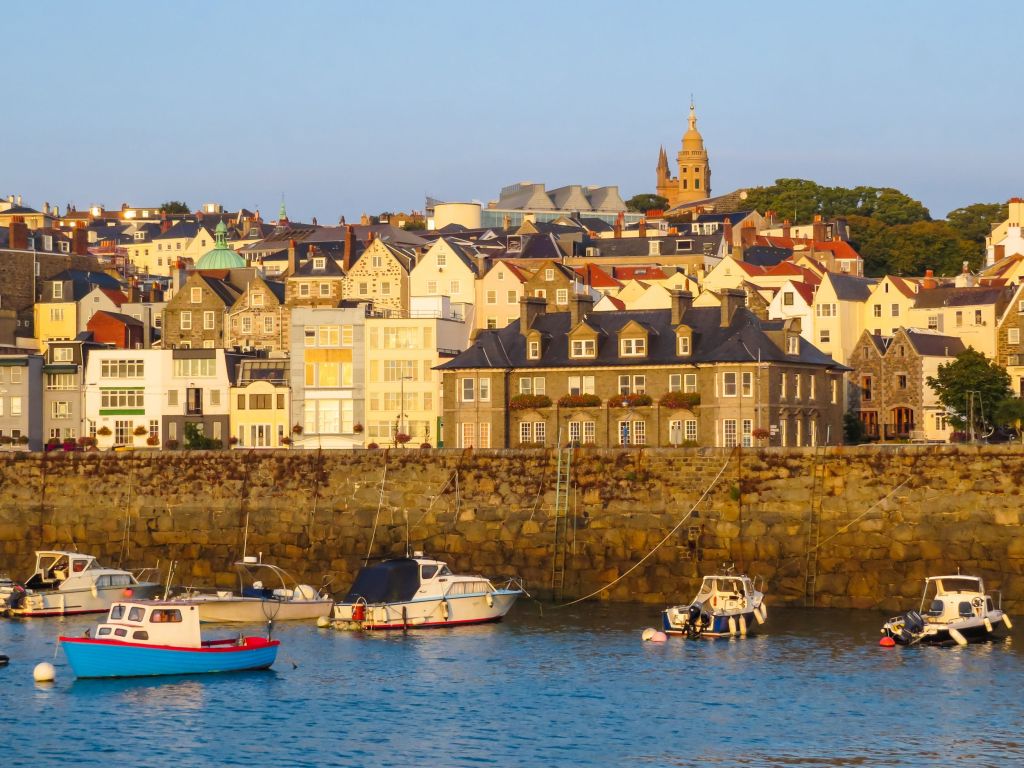
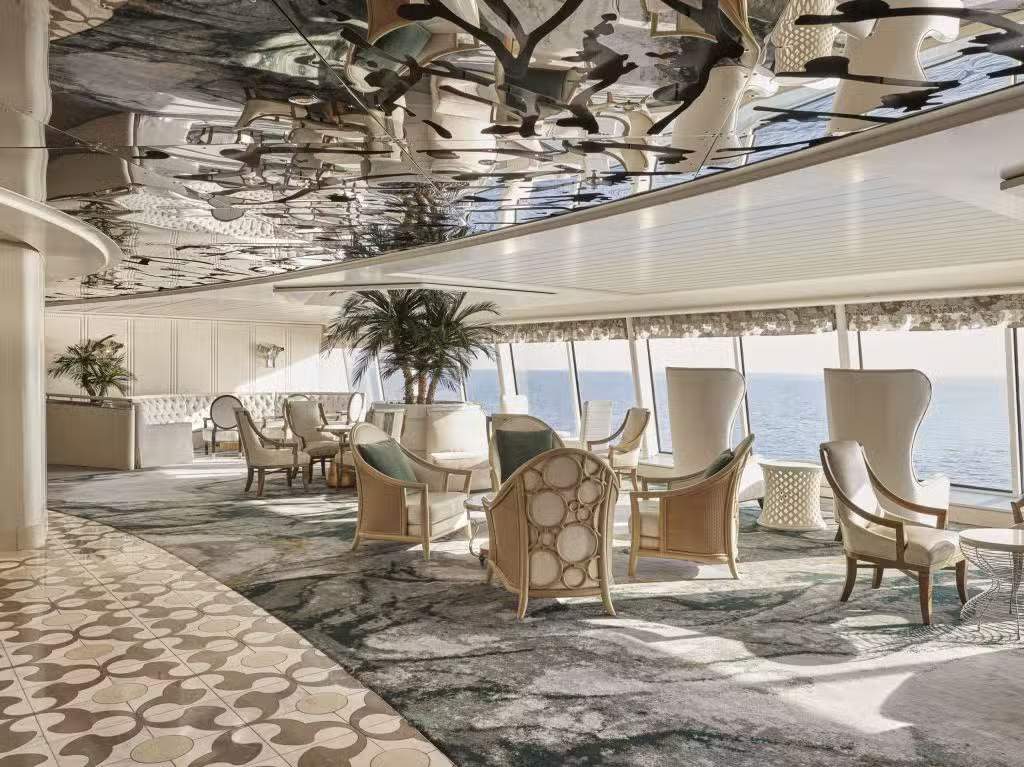
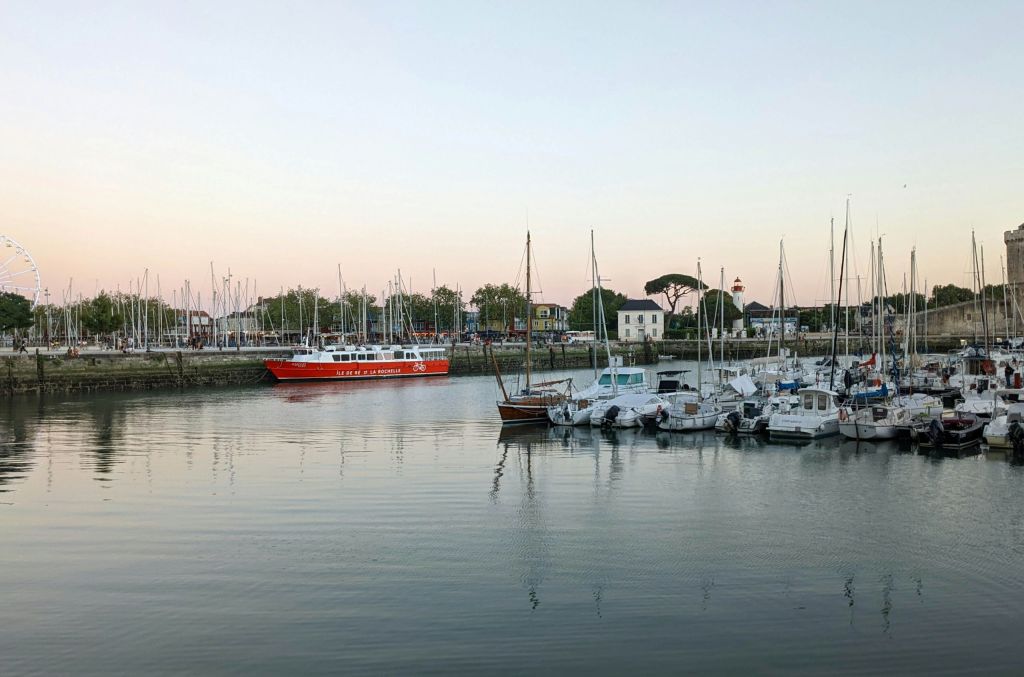
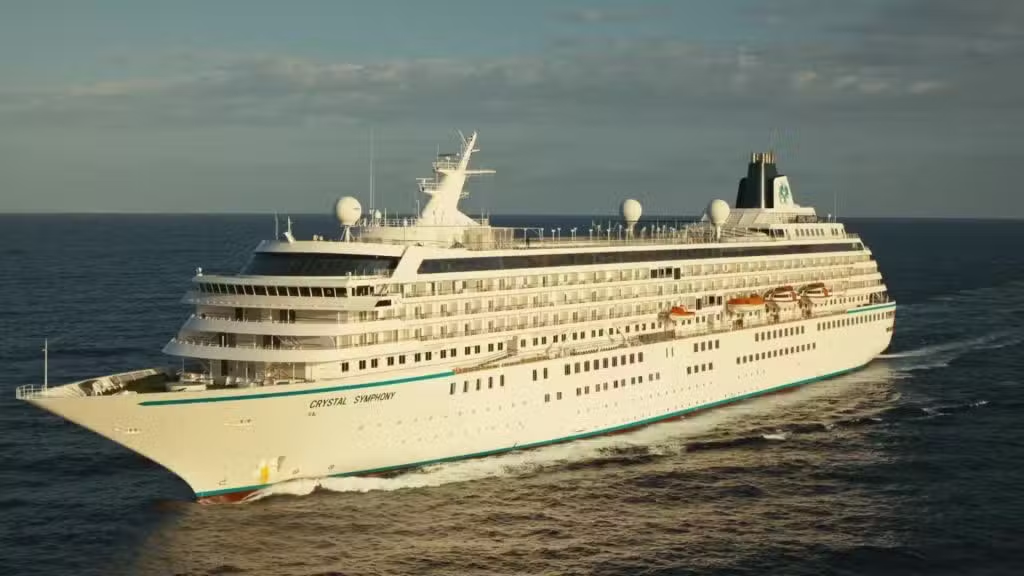
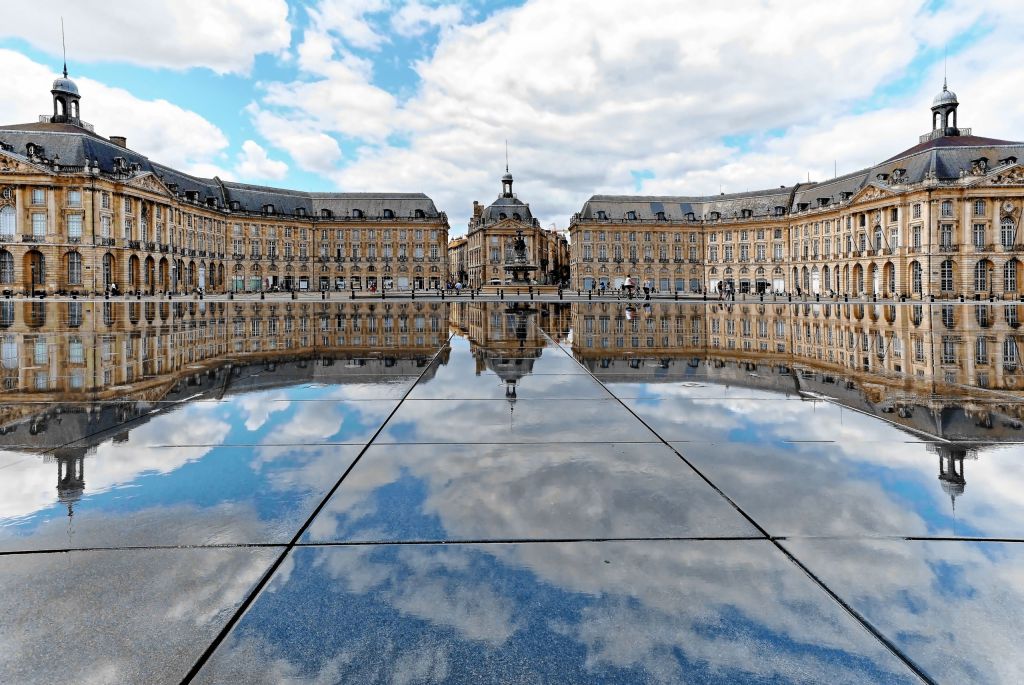
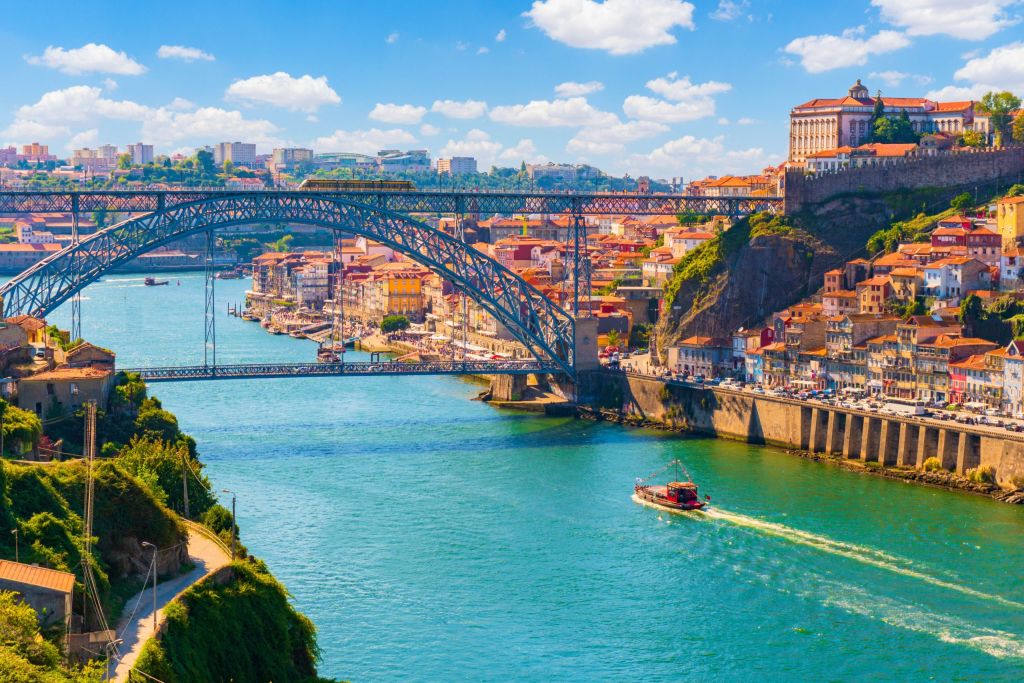
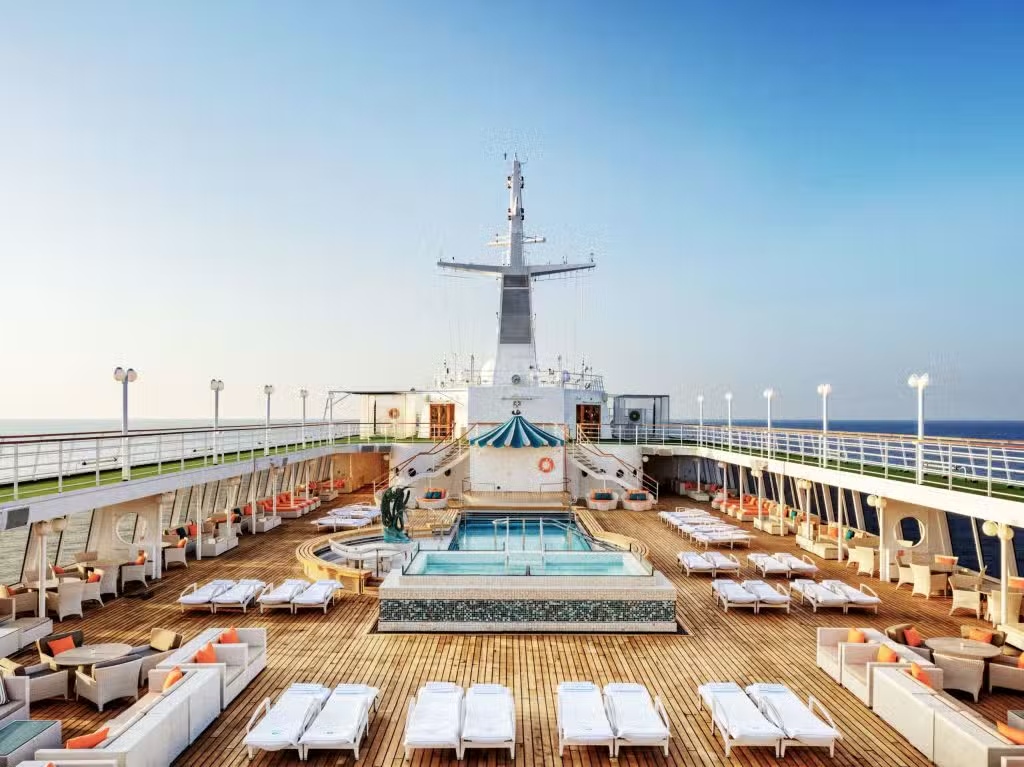
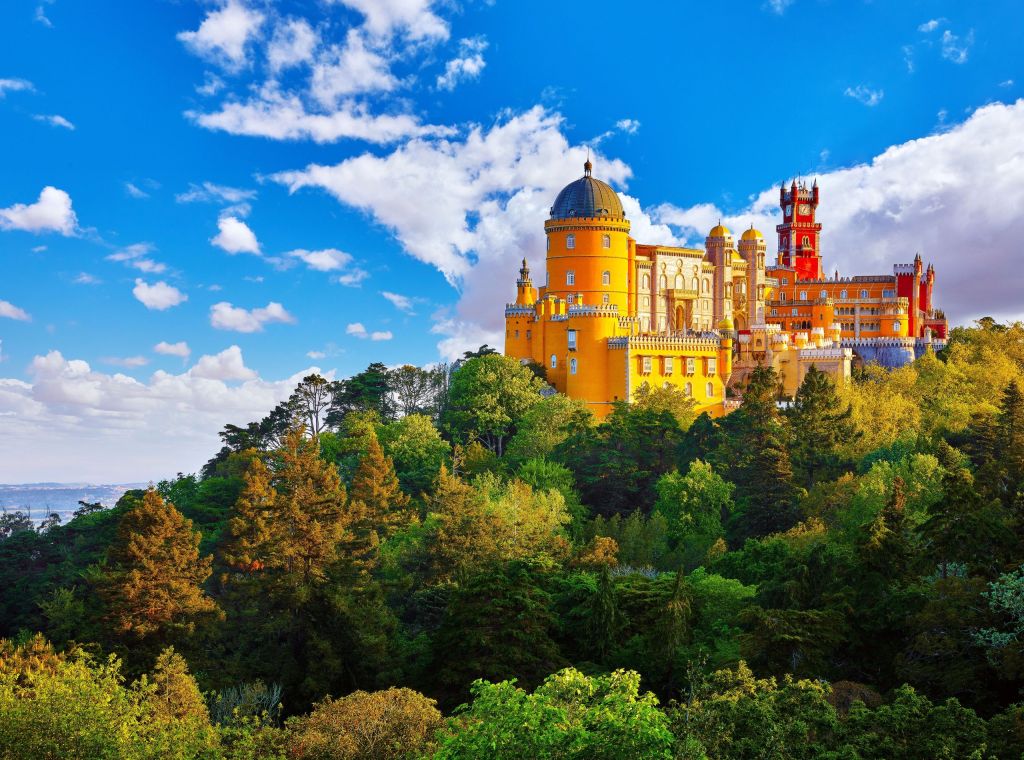
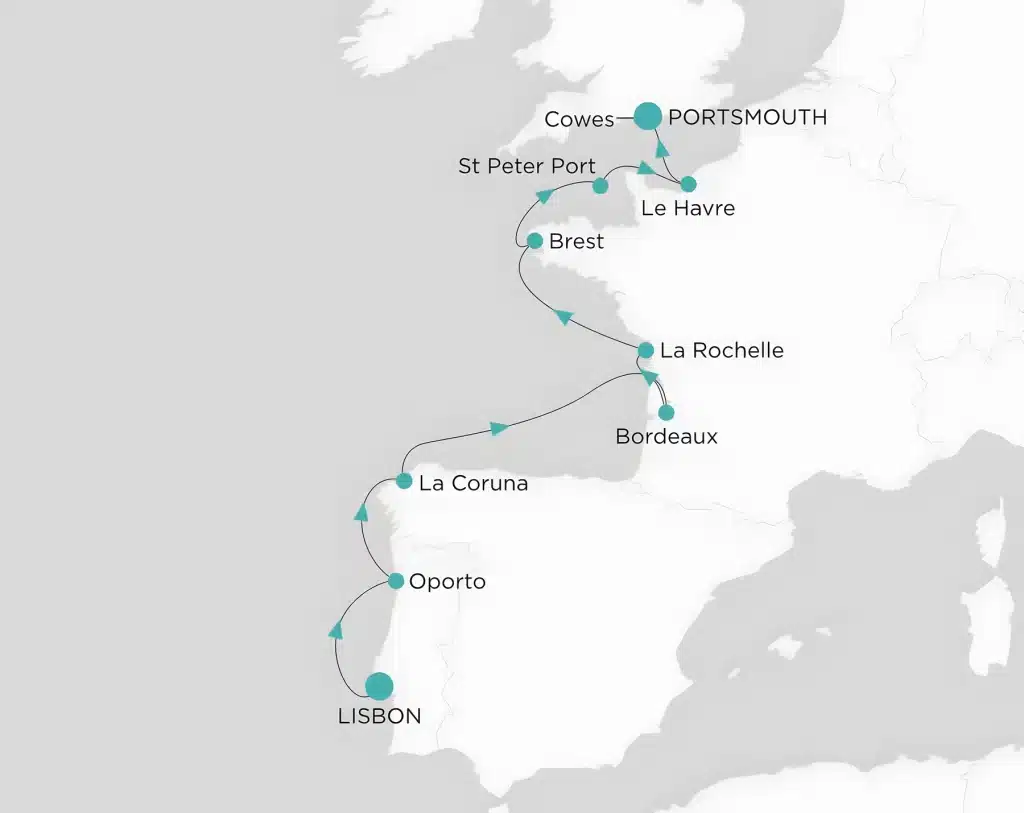
Discover the charm of Western Europe with Crystal Cruises! Enjoy 11 unforgettable nights aboard Crystal Symphony, exploring the beautiful coastlines of Portugal, Spain, France and the Channel Islands in luxurious comfort and style.
Package With Airfares For Exclusive Savings

Save up to 30% + US$500 onboard credit*
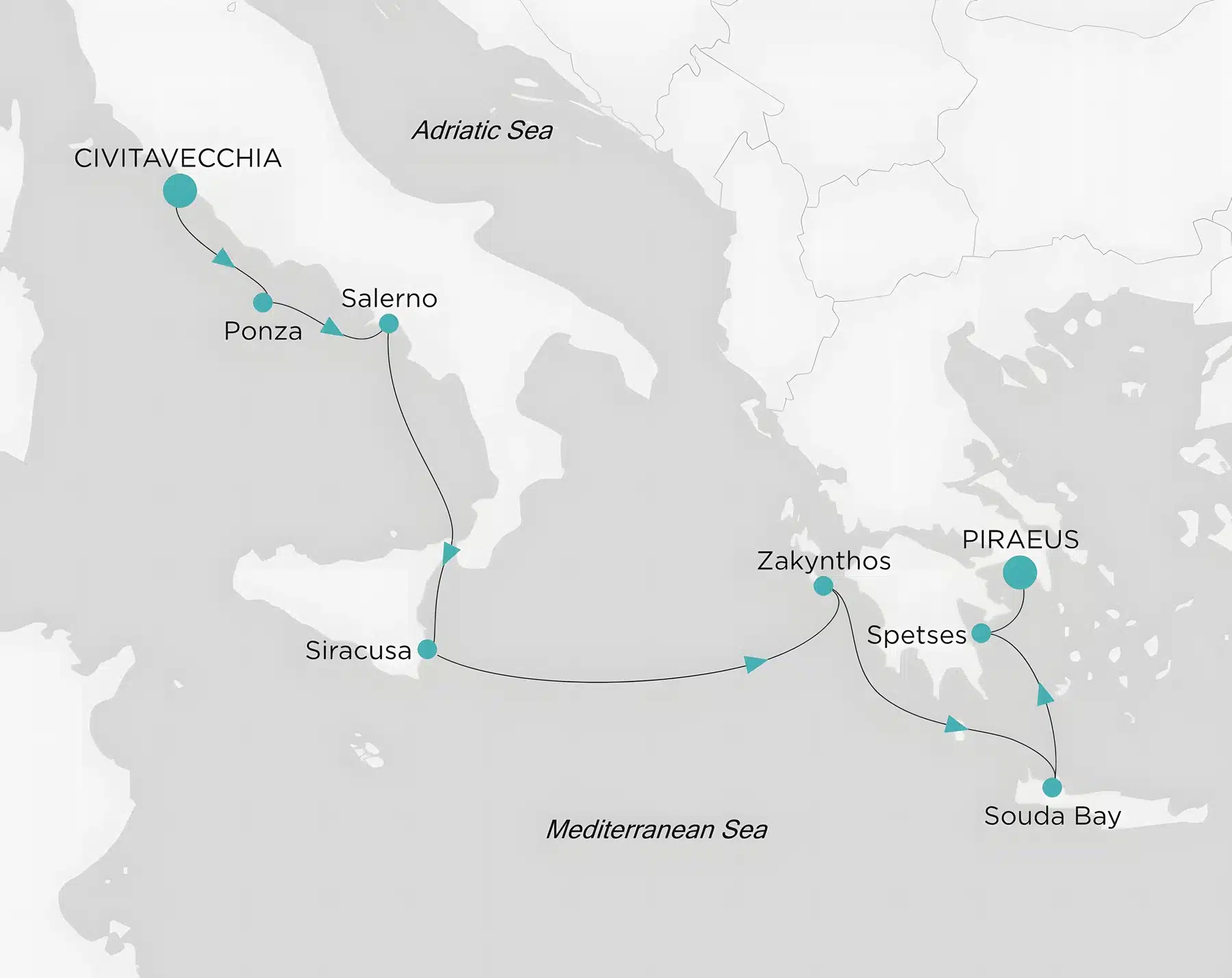
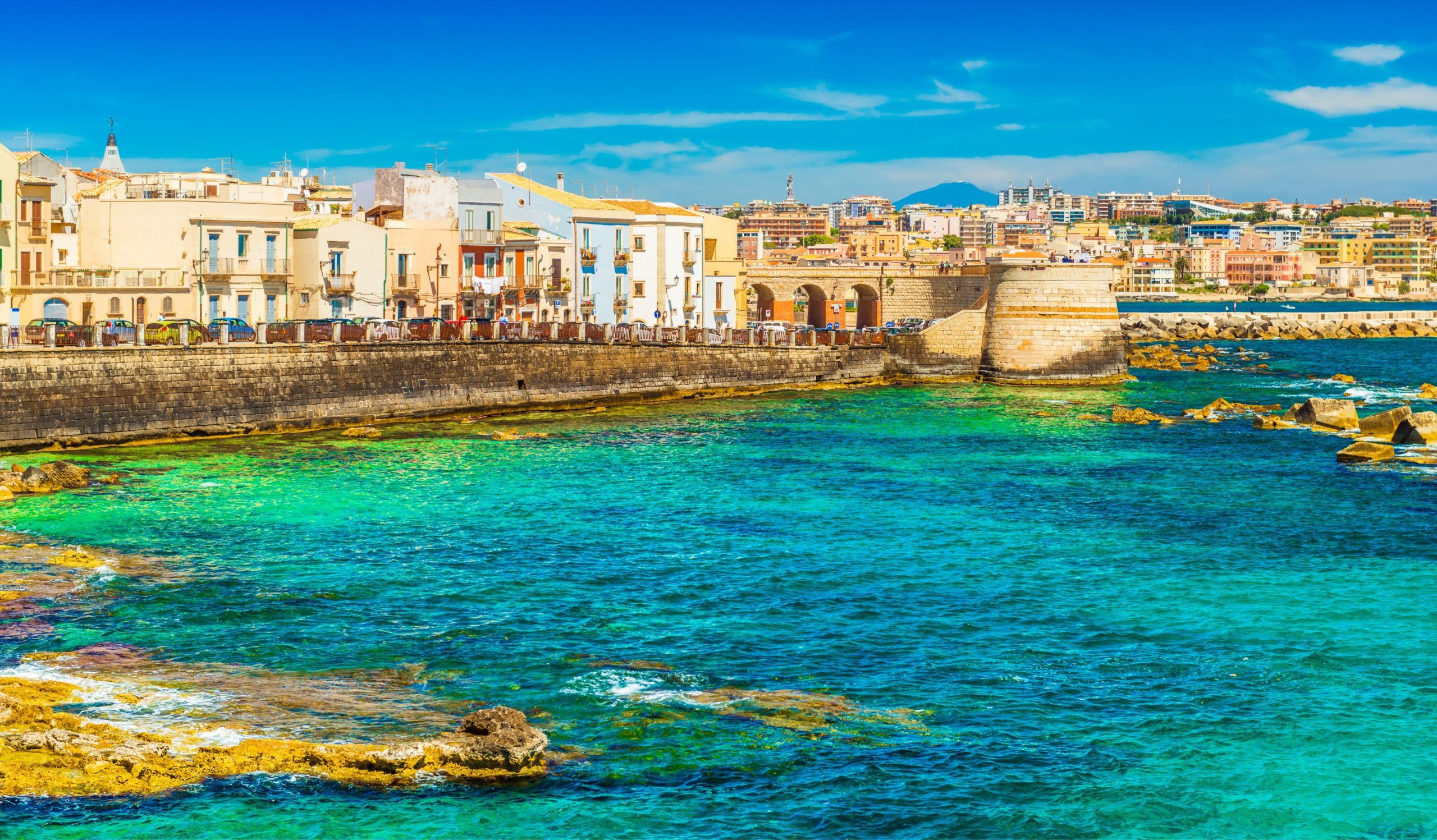
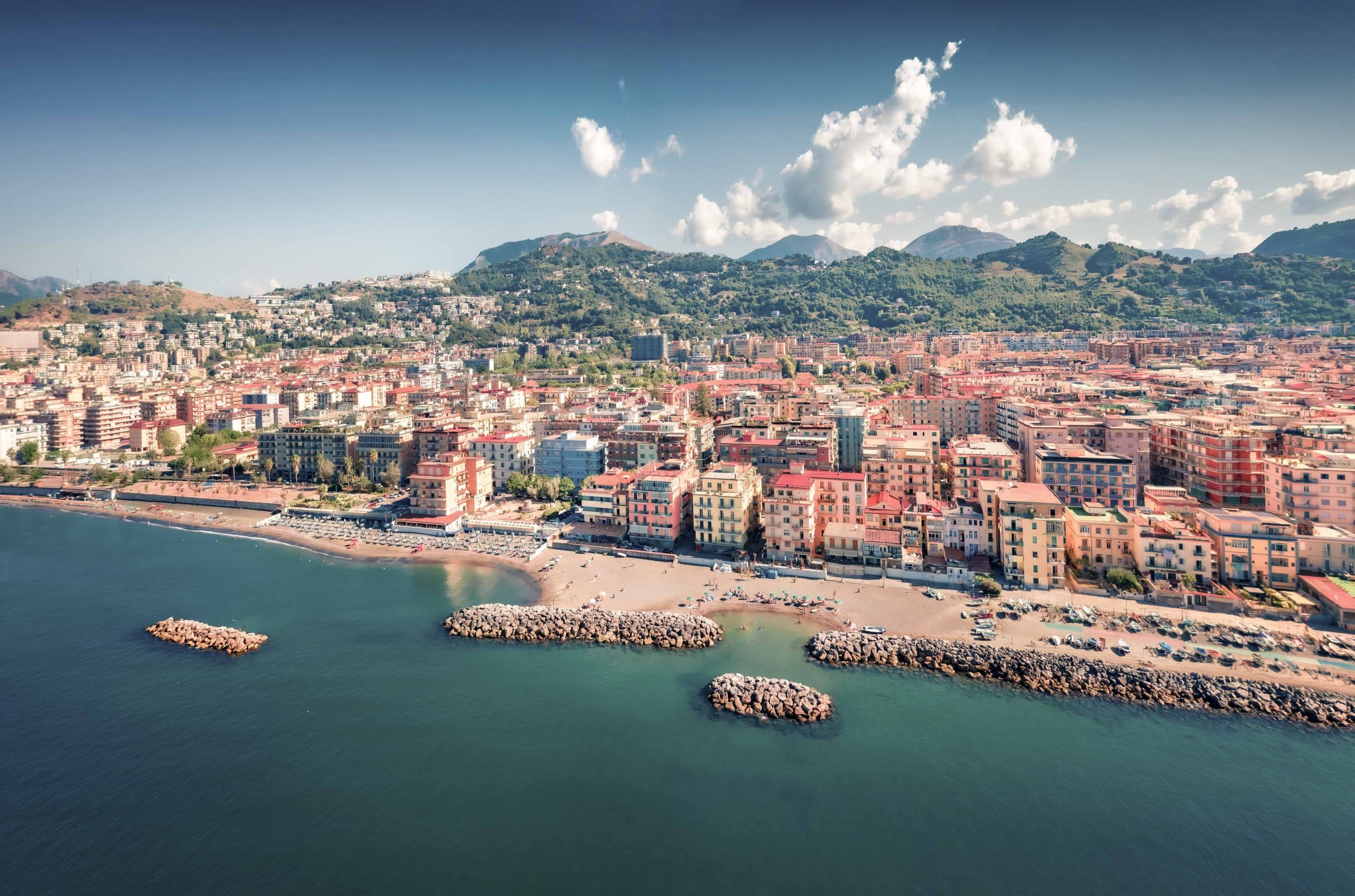
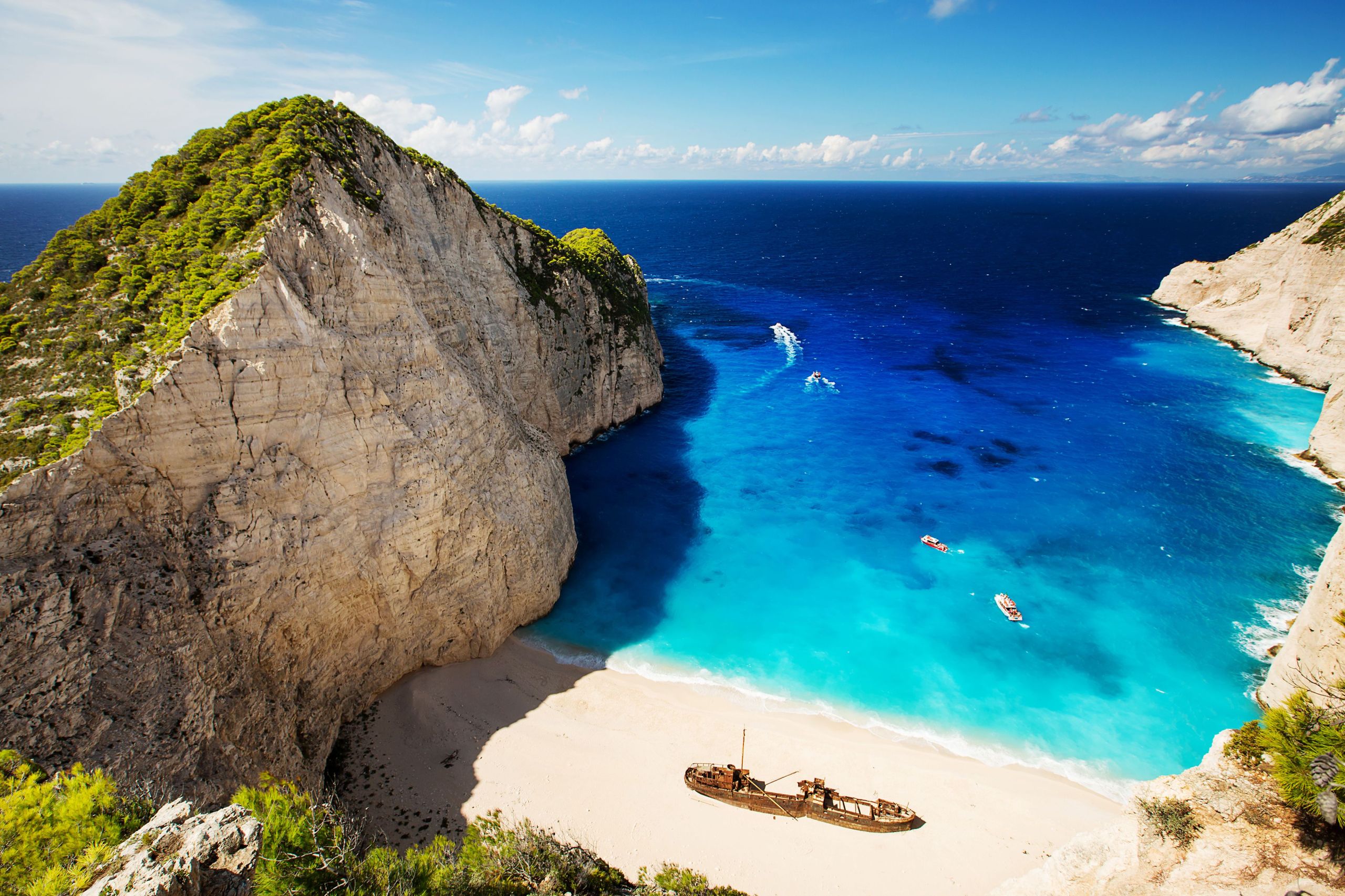
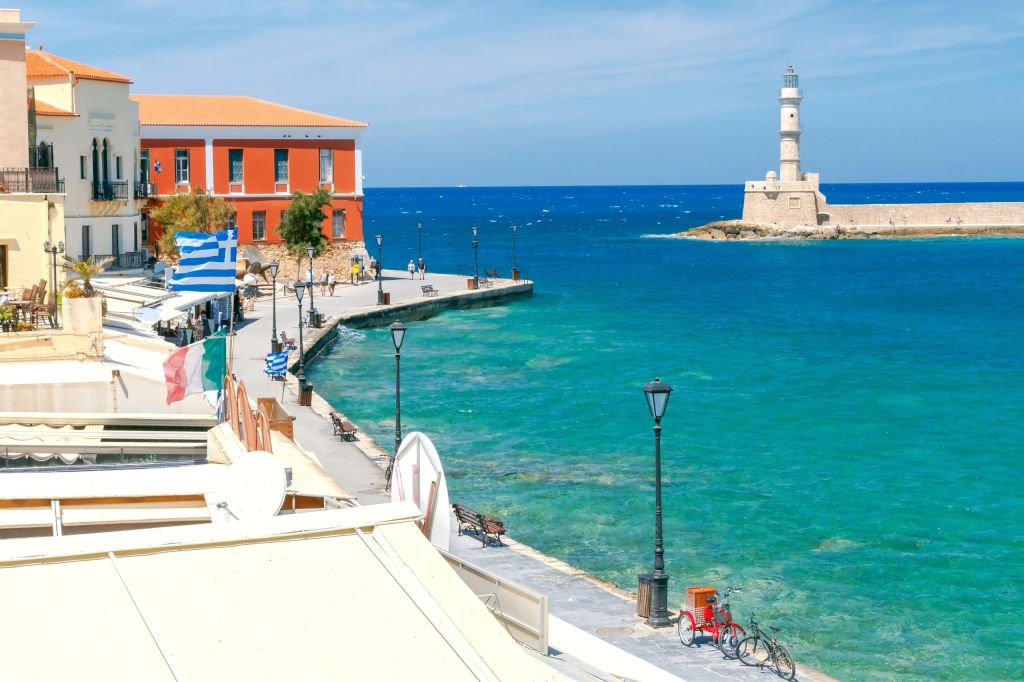
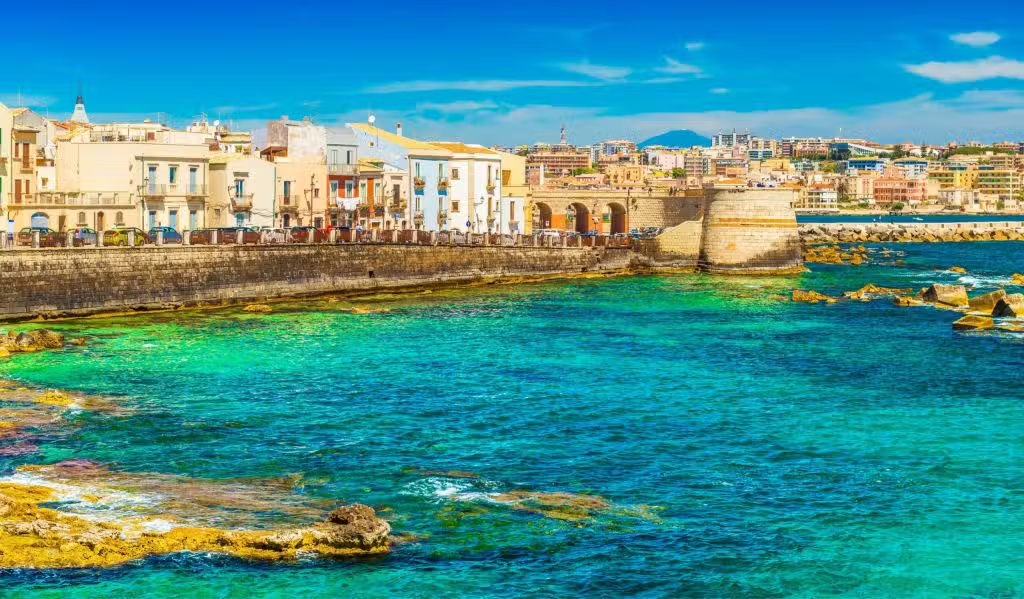
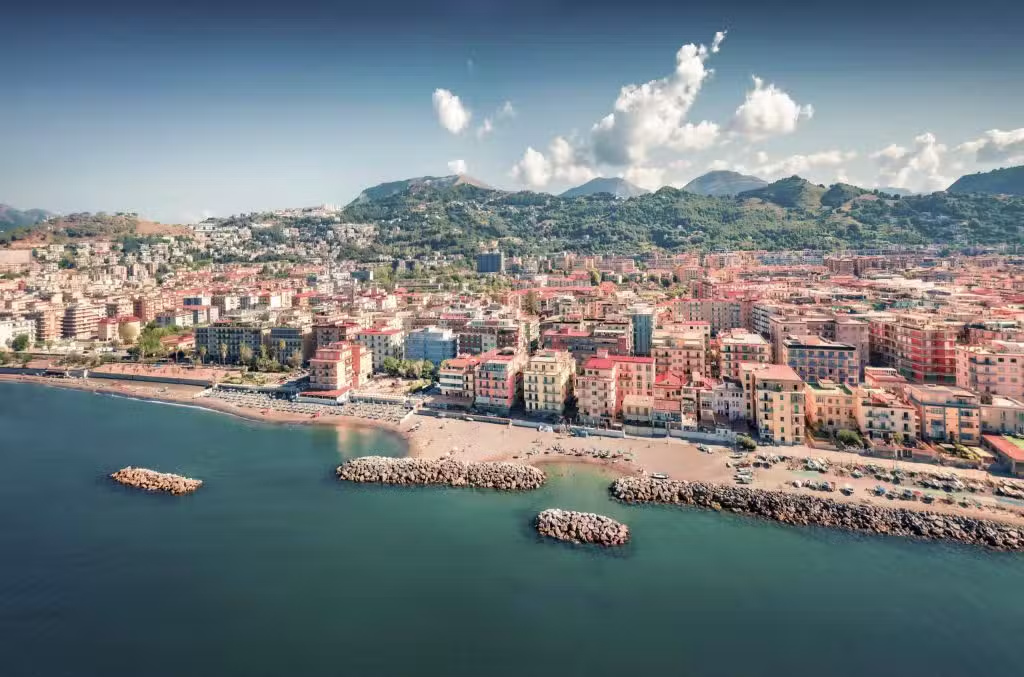
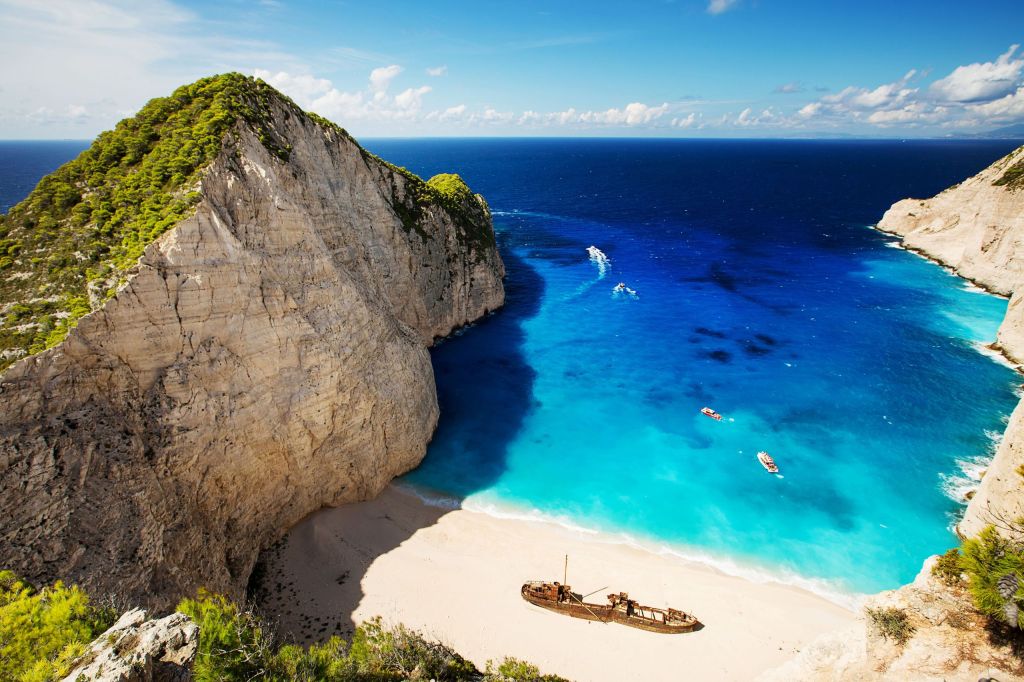
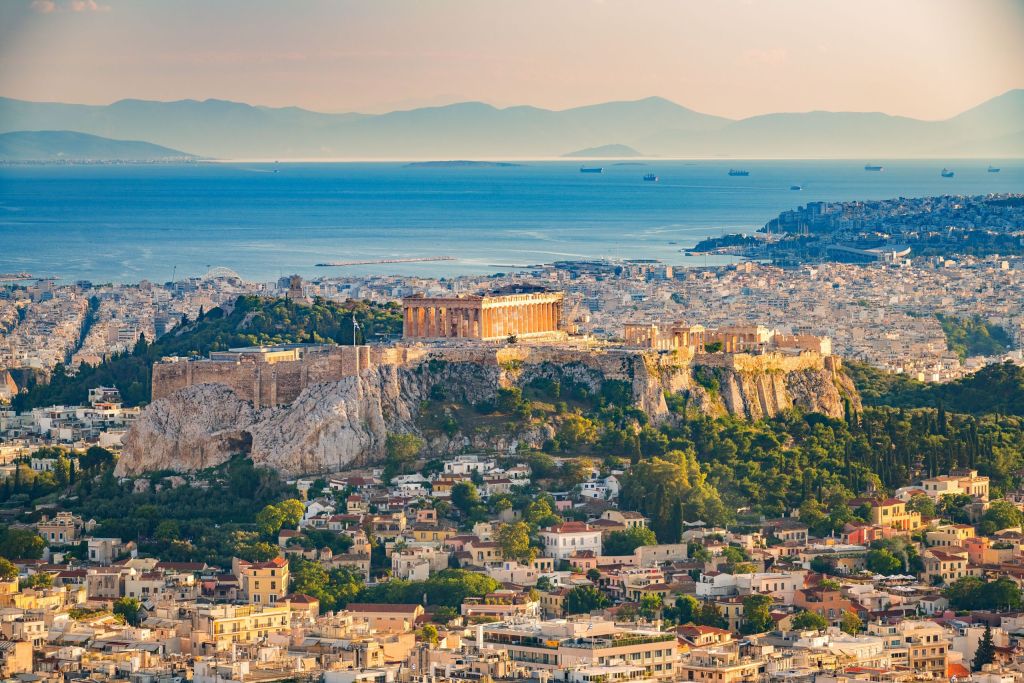
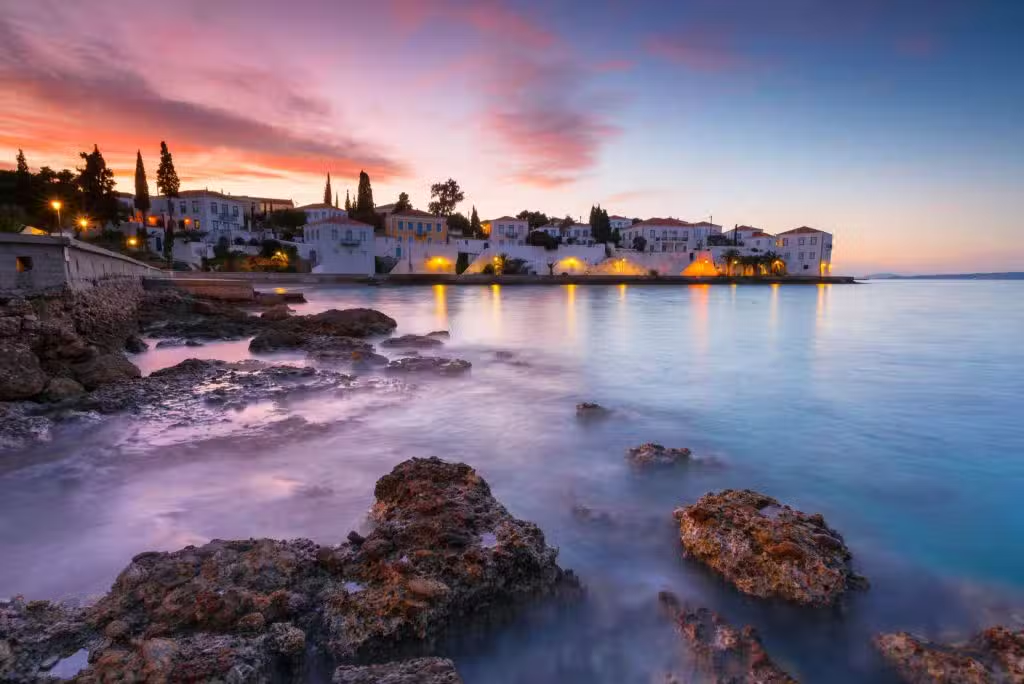
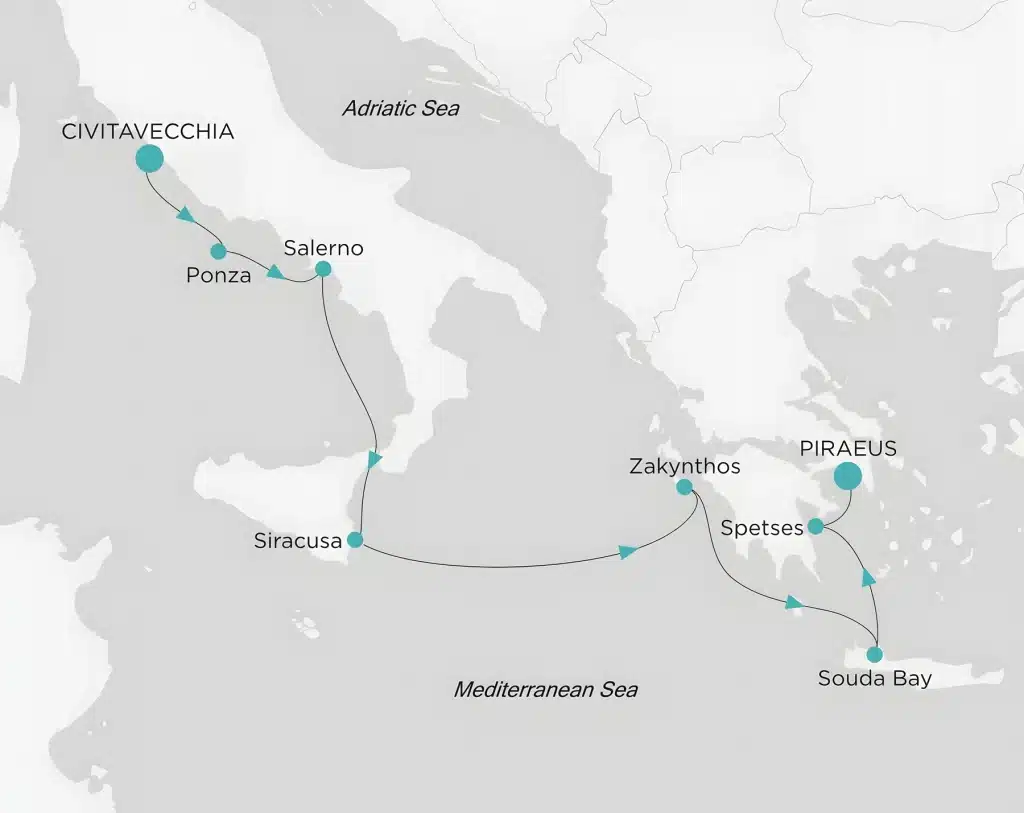
Discover the magic of the Mediterranean with Crystal Cruises! Enjoy 8 unforgettable nights aboard the luxurious Crystal Symphony, journeying from the stunning coastlines and charming towns of Italy to the crystal-clear waters of the Greek Islands, all in exceptional luxury and style.
Package With Airfares For Exclusive Savings
Bundle & save
With a team of airfare specialists, Flat Beds is experienced in packaging your tour or cruise with return airfares, so you can unlock the best deal and save!