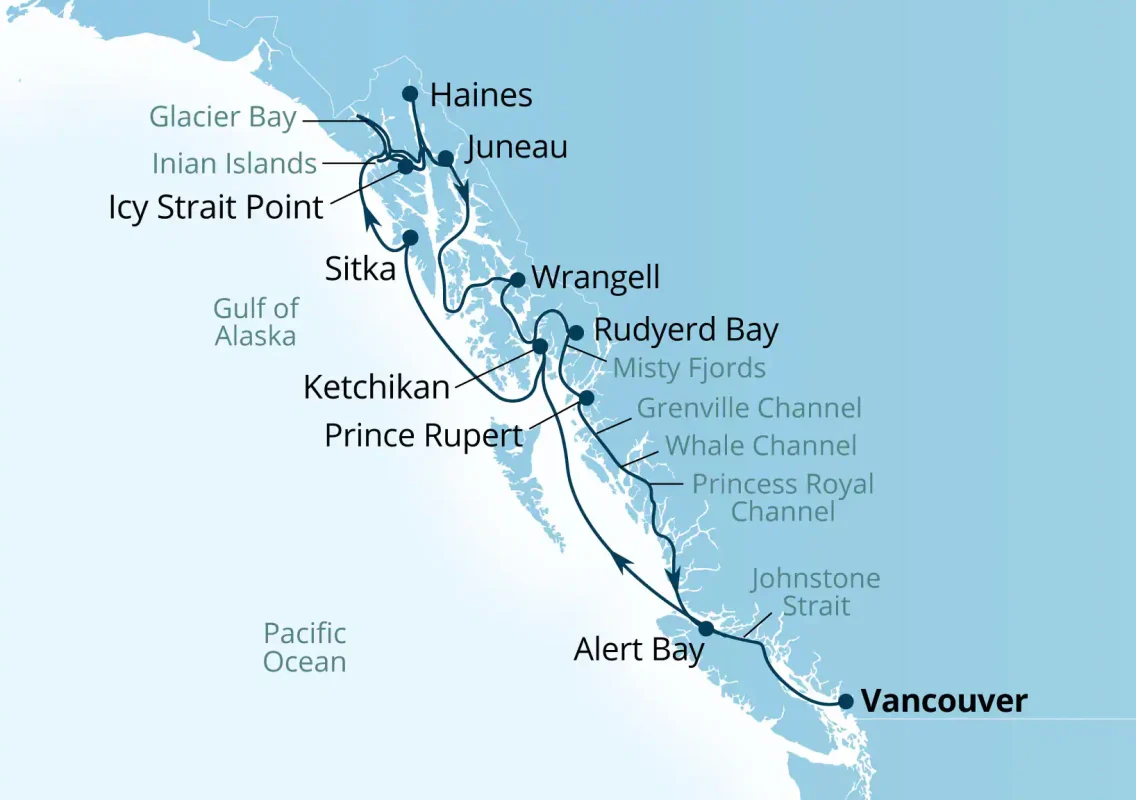
DAY 0 – VANCOUVER, CANADA
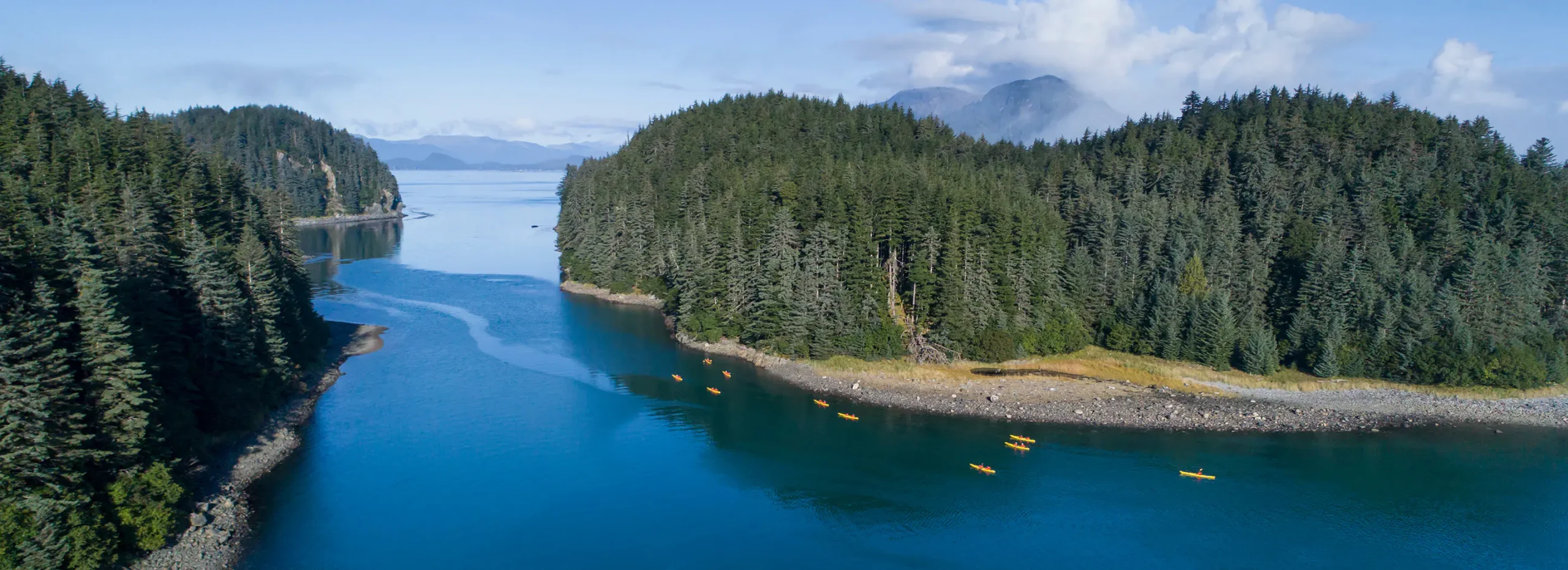
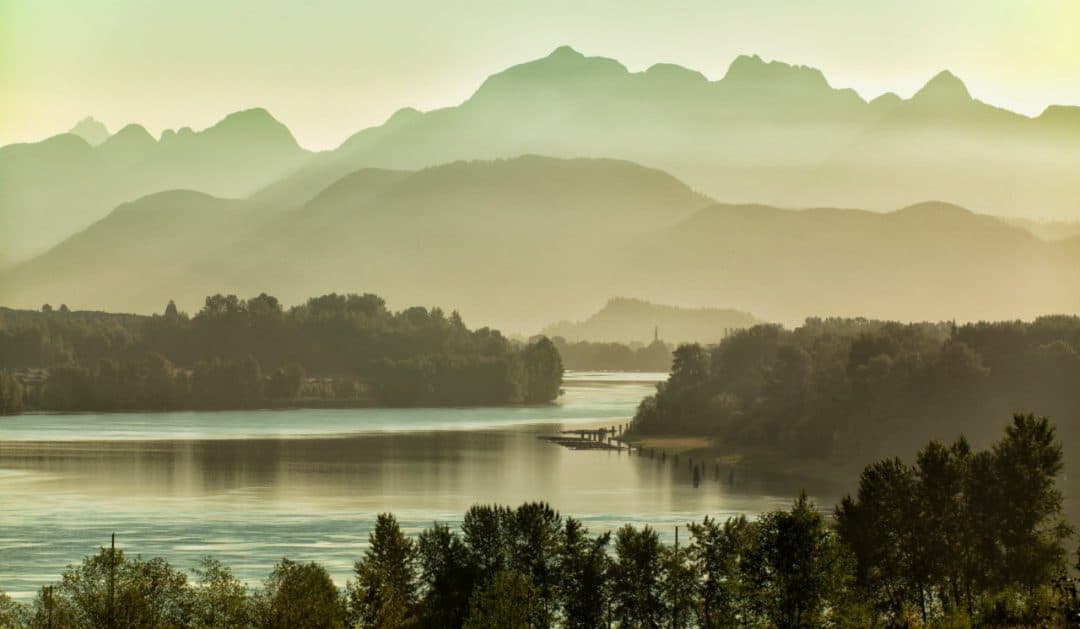
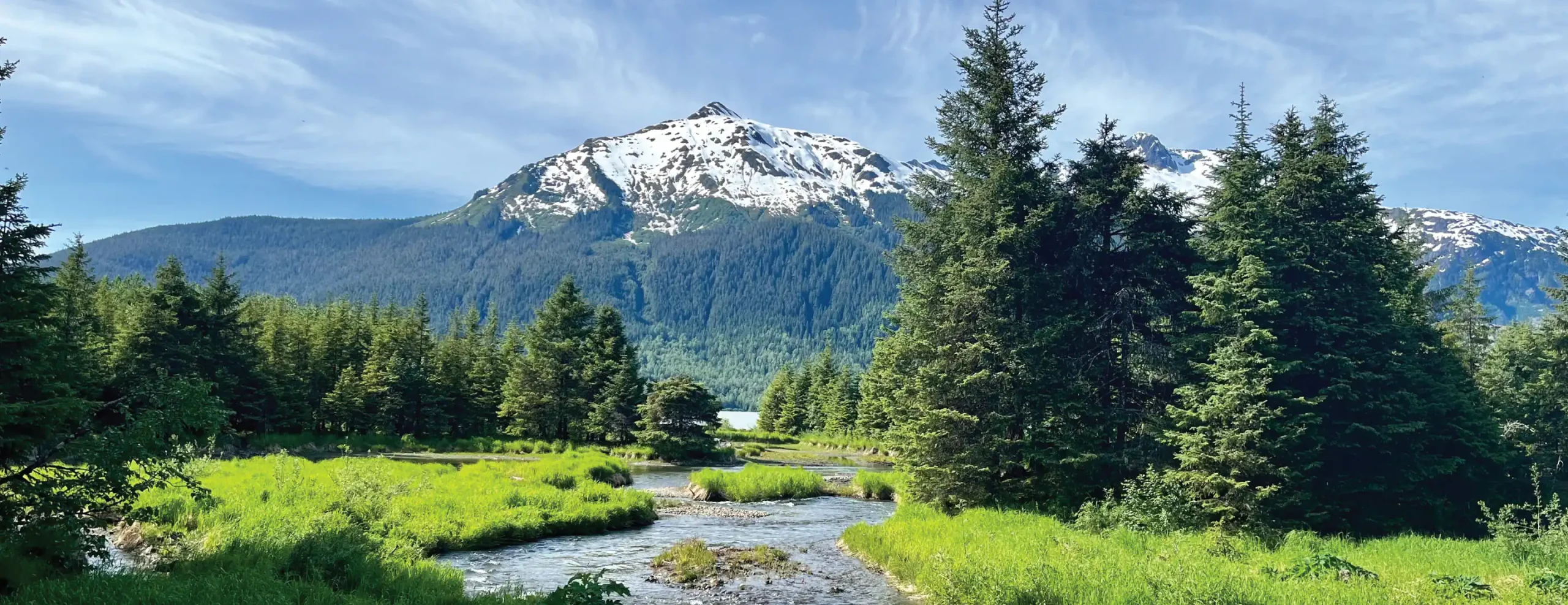
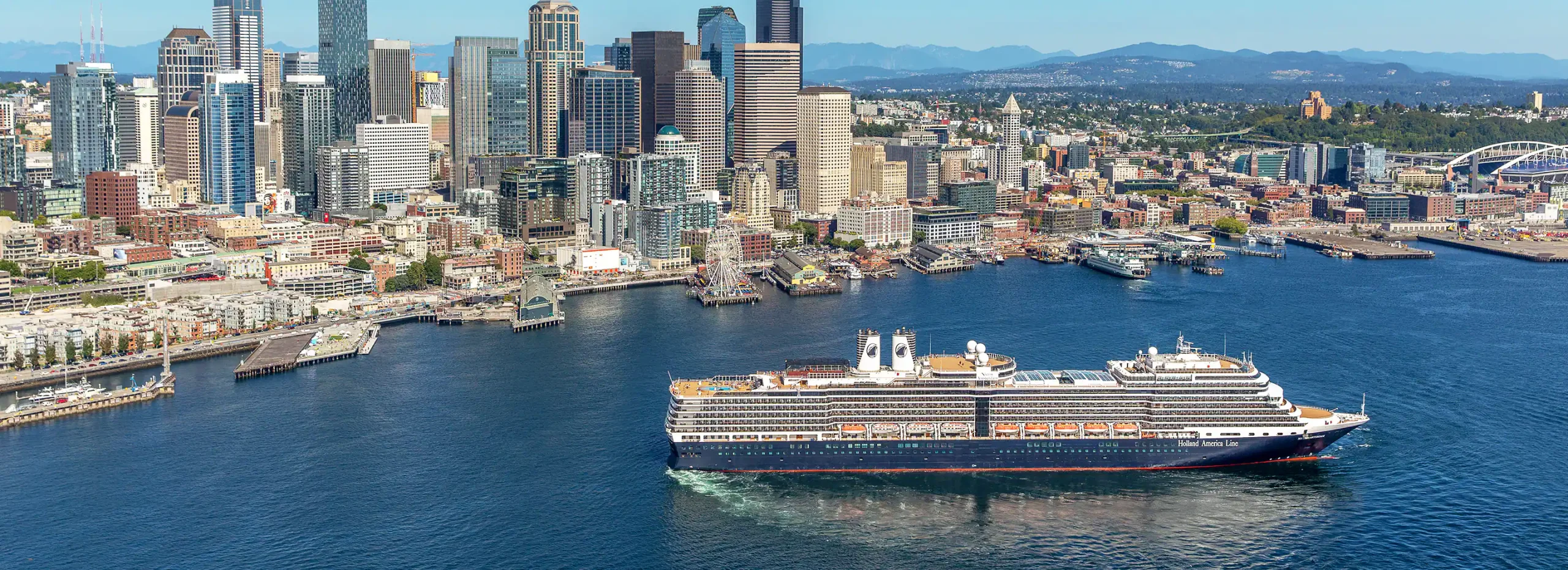
Vancouver is a city blessed with unparalleled natural beauty. Surrounded by mountains and water, the cityscape is a stunning juxtaposition of modern architecture against a backdrop of majestic peaks and the Pacific Ocean. Stanley Park, an urban oasis, offers a haven of lush forests, seawalls, and beaches, providing a perfect escape into nature without leaving the city. From skiing and snowboarding in the nearby mountains during the winter to hiking, biking, and kayaking in the warmer months, outdoor enthusiasts will find a paradise here.
DAY 1 – SEYMOUR NARROWS / QUEEN CHARLOTTE SOUND
The Seymour Narrows is a 3-mile/5 km stretch of the Discovery Channel north of Vancouver Island, British Columbia that is notorious for the strength of the tidal currents flowing through it. The average width of the narrows is just 750 meters. During extreme tides, the current through the narrows is subject to severe Venturi effect, resulting in an increased velocity that can reach 15 knots. For much of its modern history, there was an additional hazard in the narrows called Ripple Rock, a shallow obstruction that claimed no fewer than 119 ships and 114 lives. In 1958, after months of tunneling and preparation, Ripple Rock was blown up in the largest commercial, non-nuclear explosion ever recorded in North America. Still, the navigation of Seymour Narrows is dependent on tidal and other conditions, and requires skill and technical accomplishment.
The Queen Charlotte Sound lies between the Queen Charlotte Strait, which winds between Vancouver Island and the British Columbia mainland in the south, and Hecate Strait, which is northward, adjacent to the Haida Gwaii Islands off the Pacific coast of British Columbia. It is a broad reach in the long shipping route called the Inside Passage threading the myriad islands stretching from Washington’s Puget Sound to Alaska.
DAY 2 – KETCHIKAN, ALASKA & CRUISING SNOW PASS / DECISION PASSAGE
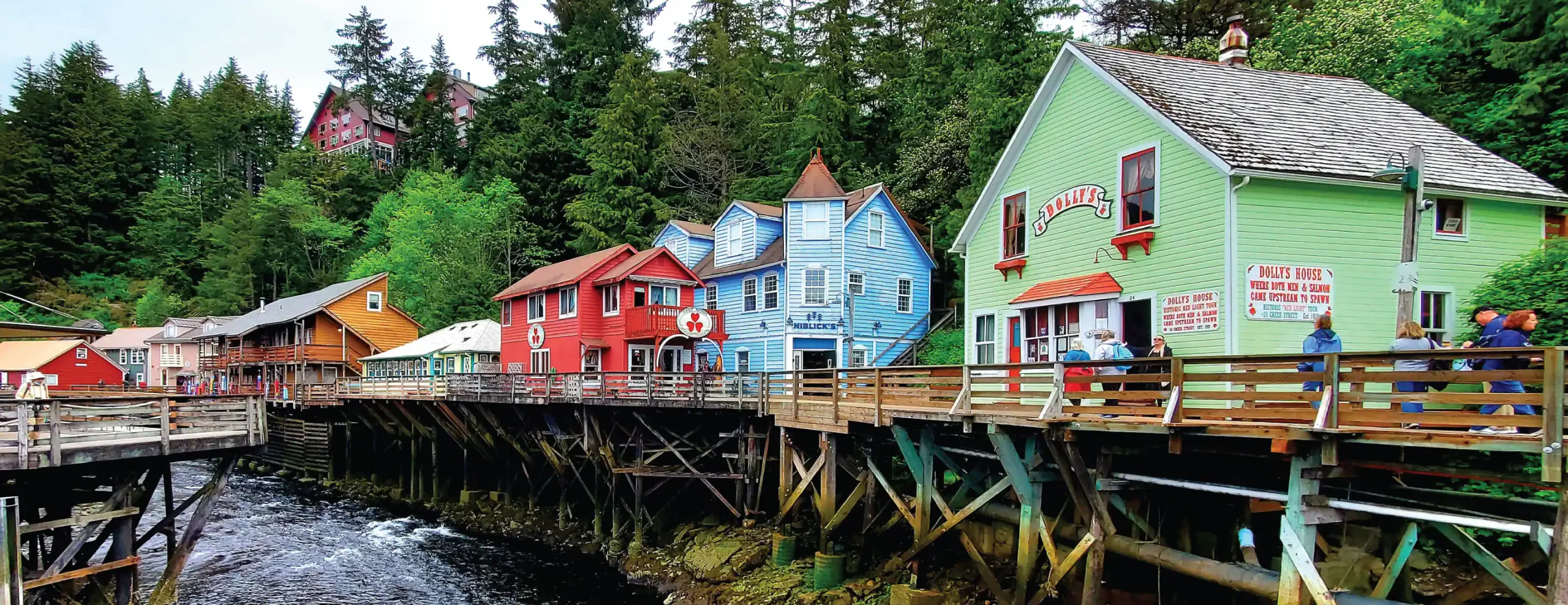
Ketchikan is a picturesque coastal town with a colorful frontier history, standing at the southern entrance to Alaska’s famed Inside Passage. It began as a salmon cannery in 1885, built by company employee Mike Martin at the mouth of Ketchikan Creek. Once dubbed the ‘Canned Salmon Capital of the World,’ today government, commercial fishing, and tourism are its main industries. The renowned Creek Street, perched on stilts along the mouth of the creek, would bring lasting infamy to the area for the red-light district that burgeoned there during the Gold Rush.
DAY 3 – SITKA, ALASKA
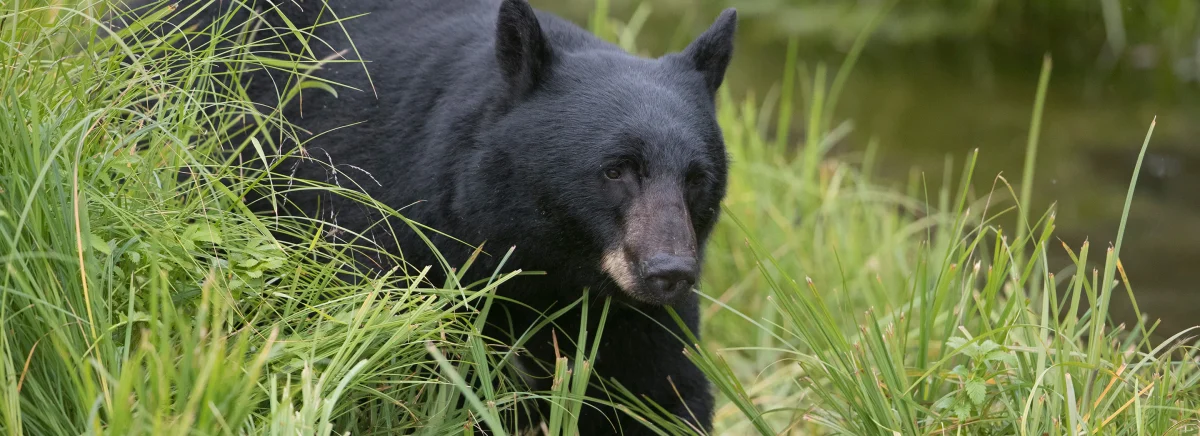
Story and soul await in the history and lush scenery of this remote city on Baranof Island. As the oldest city in Alaska, only accessible by air and sea, Sitka is the perfect place to relish in unbridled beauty of the Last Frontier. Nicknamed the ‘Paris of the Pacific’ for the growing wealth acquired during its logging, gold, and fur trade booms, Sitka was sold to the United States by Russia in 1867. Picturesque remnants of Russia’s architectural influence are still present; one of the most intriguing structures is the Cathedral of Saint Michael, built in 1848 to honor a Russian Orthodox bishop.
DAY 4 – CRUISING GLACIER BAY
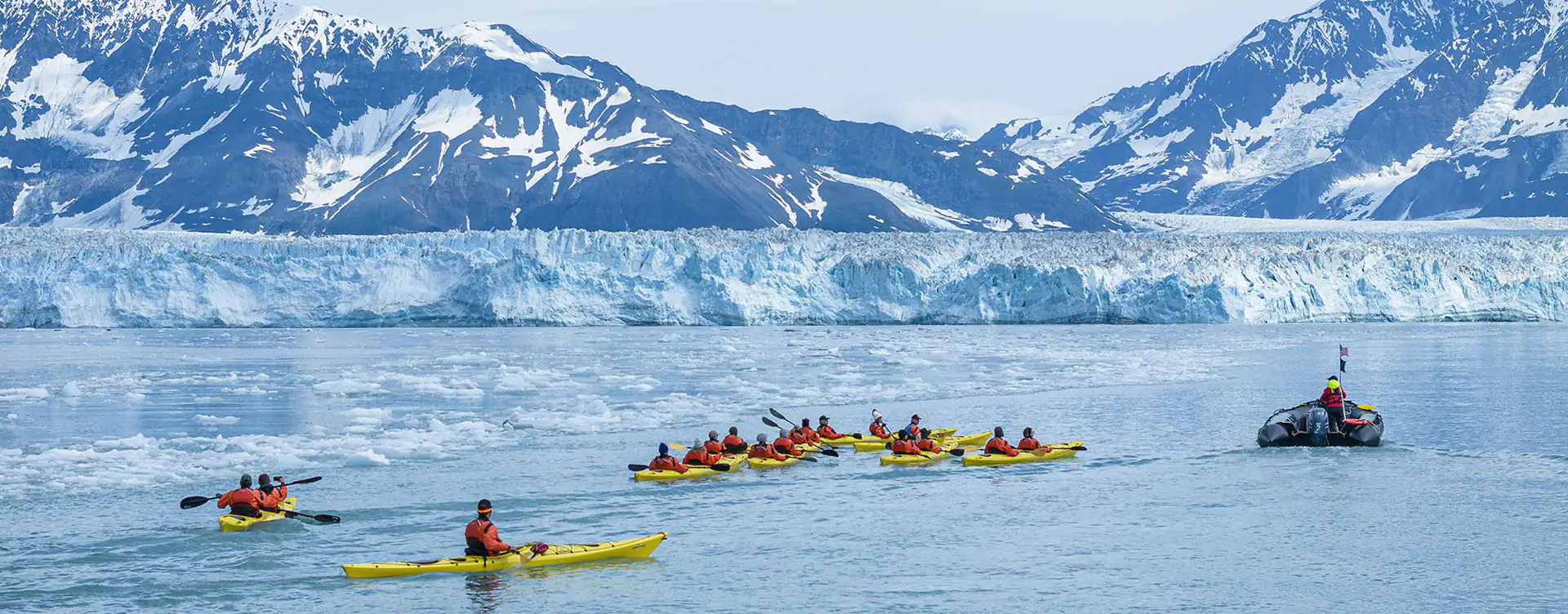
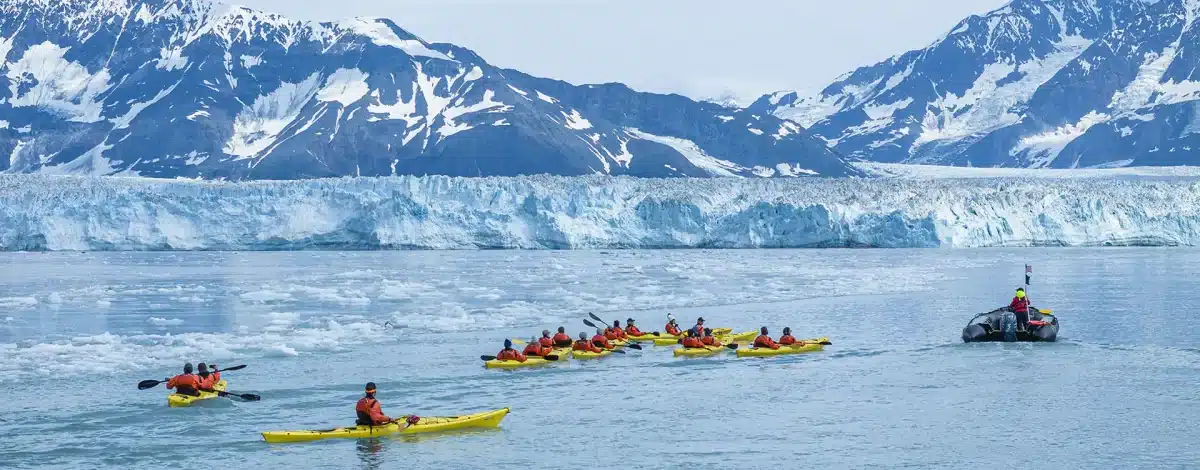
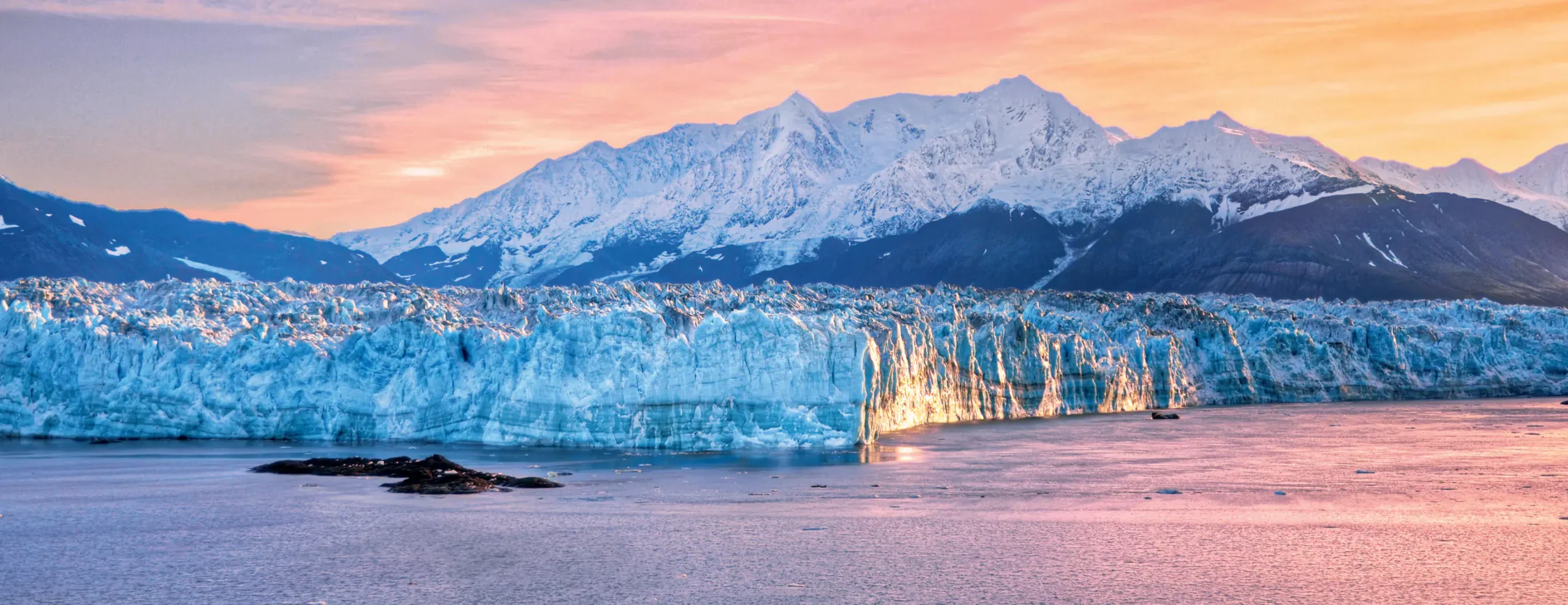
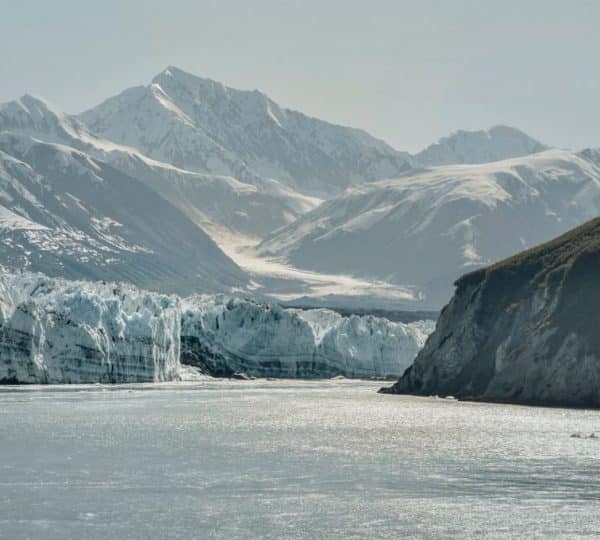
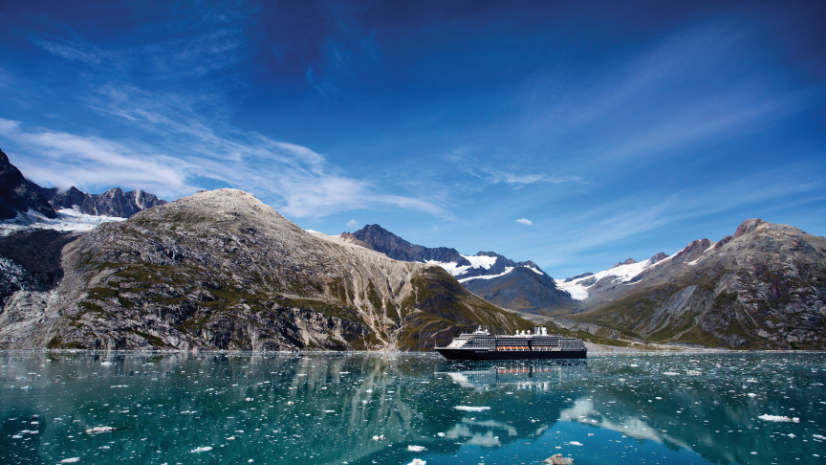
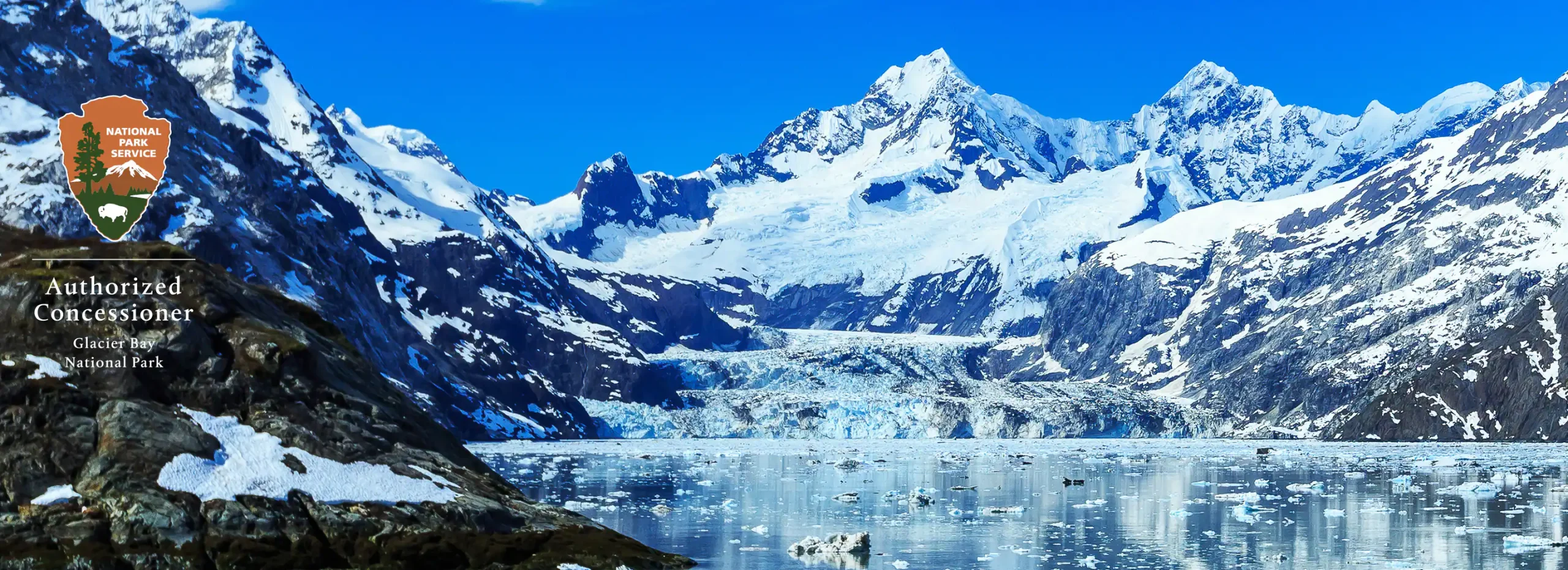
Designated as an International World Heritage Site in 1992, Glacier Bay is also a National Monument, a National Park and a designated Biosphere Reserve. Over millennia, Glacier Bay has experienced many major advances of its glaciers. When first surveyed in 1794 by a team under the command of British captain George Vancouver on HMS Discovery, its vast glaciers extended well beyond present-day margins of the bay.
DAY 5 – INIAN ISLANDS & ICY STRAIT POINT, ALASKA
As the gatekeepers to the northern entrance of the fabled Inside Passage, the remote Inian Islands stand between Cross Sound and Icy Strait, exposed to the high energy seas of the Pacific Ocean. Tidal currents surging through the narrow channels separating the islands can be severe. Nicknames like ‘The Laundry Chute’ justify their notorious reputations.
Icy Strait Point is a unique community on Chichagof Island near the entry to Glacier Bay National Park. It was created and is owned by a corporation of over 1300 Native Americans of various local Tlingit tribes, for the purpose of offering visitors an enjoyable, educational experience of Alaska’s native cultures, as well as the human and natural history of the region. Your tender will dock at the historic 1912 salmon canning facility, which today is a museum.
DAY 6 – HAINES / LYNN CANAL, ALASKA
Tucked in along the shores of the longest fjord in North America and surrounded by breathtaking scenery, Haines is an authentic Alaskan experience. It is an eclectic community and a truly hidden gem. Its rich culture shines brightly during the annual state fair that draws people from all over Alaska.
Lynn Canal is a 90-mile long inlet into Alaska’s coast running from the Chilkat River in the north to the Chatham Strait and Stephens Passage in the south. Because it connects the towns of Skagway and Haines to Juneau and the rest of the Inside Passage, it is an important shipping lane for ferries, cargo and cruise ships, and was a crucial passageway to the Klondike gold fields during the Gold Rush.
DAY 7 – JUNEAU, ALASKA
Juneau, Alaska’s capital, is accessible only by air and sea, due to the rugged mountain terrain that surrounds the city. It has been a world-class travel destination since the early 1900’s. The city has plenty to offer the outdoor adventurer. You may choose to explore on foot along the Perseverance Trail or around Mendenhall Glacier, or board one of the many local whale-watching boats, or view the mountains and extensive glaciers of the Juneau Icefield from a helicopter.
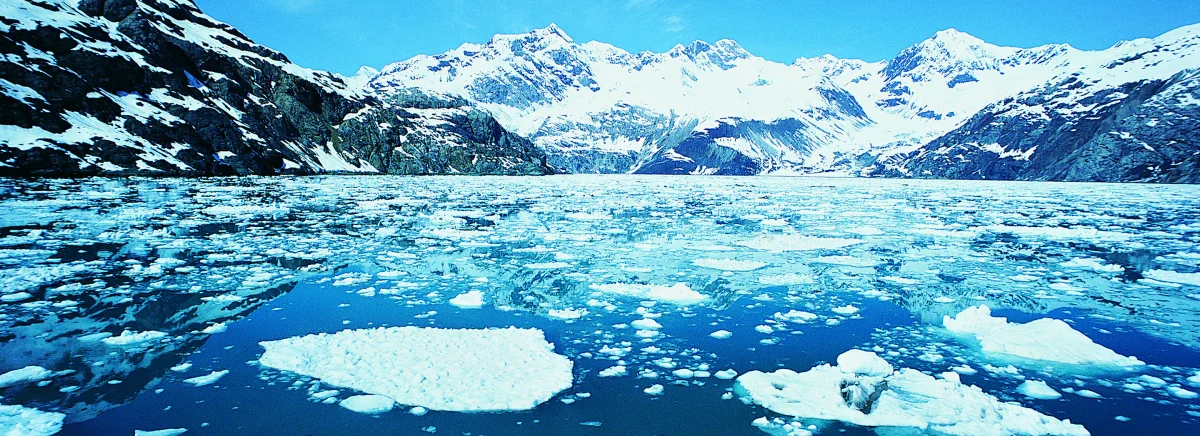
DAY 8 – GLACIER BAY / CHATHAM STRAIT, ALASKA
Designated as an International World Heritage Site in 1992, Glacier Bay is also a National Monument, a National Park and a designated Biosphere Reserve. Over millennia, Glacier Bay has experienced many major advances of its glaciers. When first surveyed in 1794 by a team under the command of British captain George Vancouver on HMS Discovery, its vast glaciers extended well beyond present-day margins of the bay.
The scenic, 150-mile long Chatham Strait runs from the confluence of Icy Strait and the Lynn Canal to the open sea, through the Alexander Archipelago in Southeast Alaska. Varying between 3 and 10 miles wide, it is bounded on the east by Admiralty and Kulu Islands and in the west by Chichagof and Baranof Islands.
DAY 9 – DECISION PASSAGE / WRANGELL / STIKINE STRAIT, ALASKA
Decision Passage is the western end of the Sumner Strait, which runs through the Alexander Archipelago into the Pacific Ocean in Southeastern Alaska, bounded on the north by Kuiu Island and Cape Decision, the location of a 1932 lighthouse. This is the route your ship takes when coming from or going to the colorful historic community of Sitka on the west coast of Baranof Island, which was originally the Russian fortress town of New Archangel.
One of the thousands of islands of the Alexander Archipelago, Wrangell Island sits at the heart of the Tongass National Rain Forest and receives approximately 80” (203 cm) of rain per year. The city of Wrangell, a true Alaskan frontier town, sits at the northern end of the island, a short distance from the mouth of the mighty Stikine River. The history of Wrangell is deeply rooted in the Tlingit people, the fur trade and the gold rush. The Stikine River trade route brought the Tlingit people here thousands of years ago, evidenced by some forty petroglyphs at Petroglyph Beach State Historic Site and Totem Park.
Stikine Strait is a picturesque channel in the Alexander Archipelago of Alaska between Zarembo Island and Woronkofski and Etolin Islands near the mouth of the Stikine River south of Wrangell. It first appears on an 1848 Russian chart as Stakhin Strait and has been spelled variously on many charts since that time.
DAY 10 – BEHM CANAL / RUDYERD BAY, ALASKA
The 108-mile Behm Canal runs from the Clarence Strait through the Alexander Archipelago of Southeast Alaska, and into the channel separating Revillagigedo Island from the mainland. It forms part Inside Passage on the route between Ketchikan and the Misty Fjords National Monument. The canal was named by George Vancouver during his surveying expedition in 1793, in honor of Magnus von Behm, who had been governor of Kamchatka in the Russian Far East when Vancouver called at Petropavlovsk with Captain Cook’s expedition following the Cook’s murder in Hawaii.
Scottish-American naturalist John Muir compared the 2,294,343-acre (930,000 hectare) Misty Fjords National Monument to his favorite place in America, Yosemite National Park. Often shrouded in mist, Misty Fjords is a true wilderness. Misty Fjords National Monument is a section of the Tongass National Forest in Alaska’s extreme southeastern Panhandle region. The monument consists of over two million acres of deeply cut fjords cradled in U-shaped valleys between mountain ranges rising 2,000 to 3,000 feet above sea level.
DAY 11 – PRINCE RUPERT, CANADA
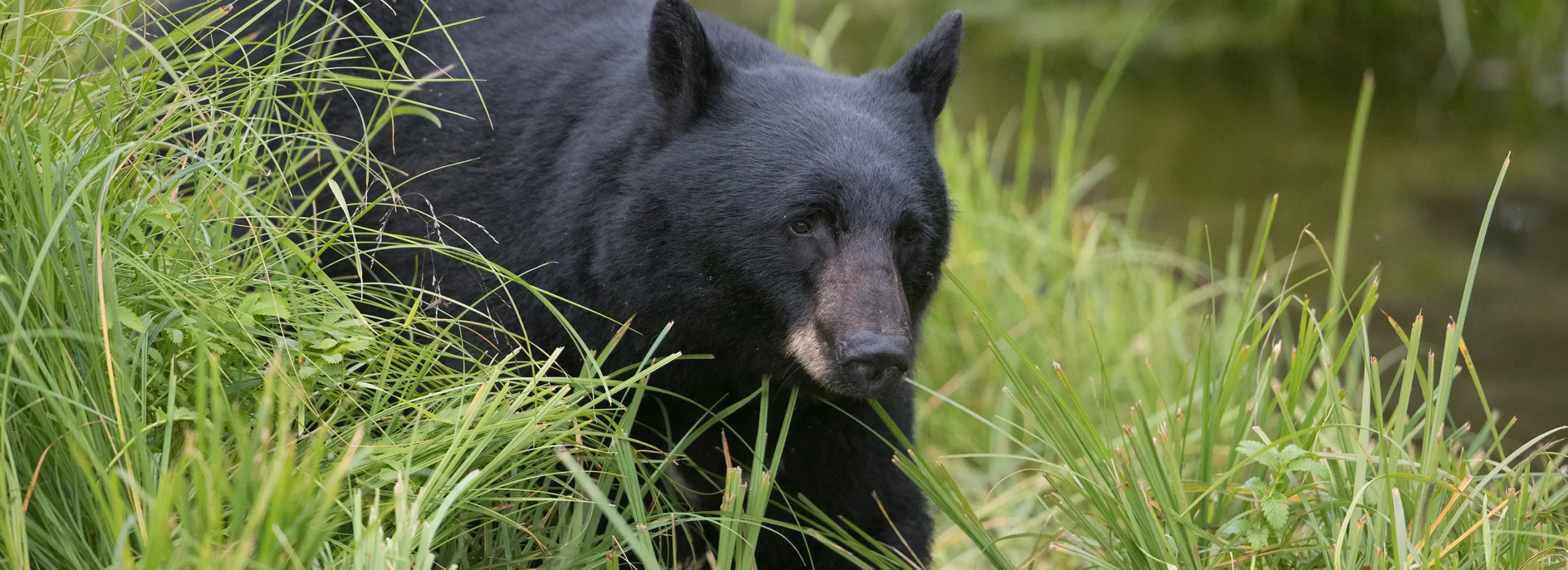
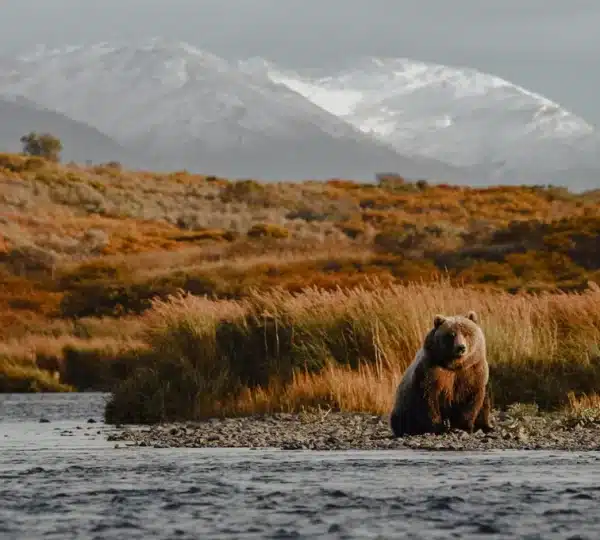
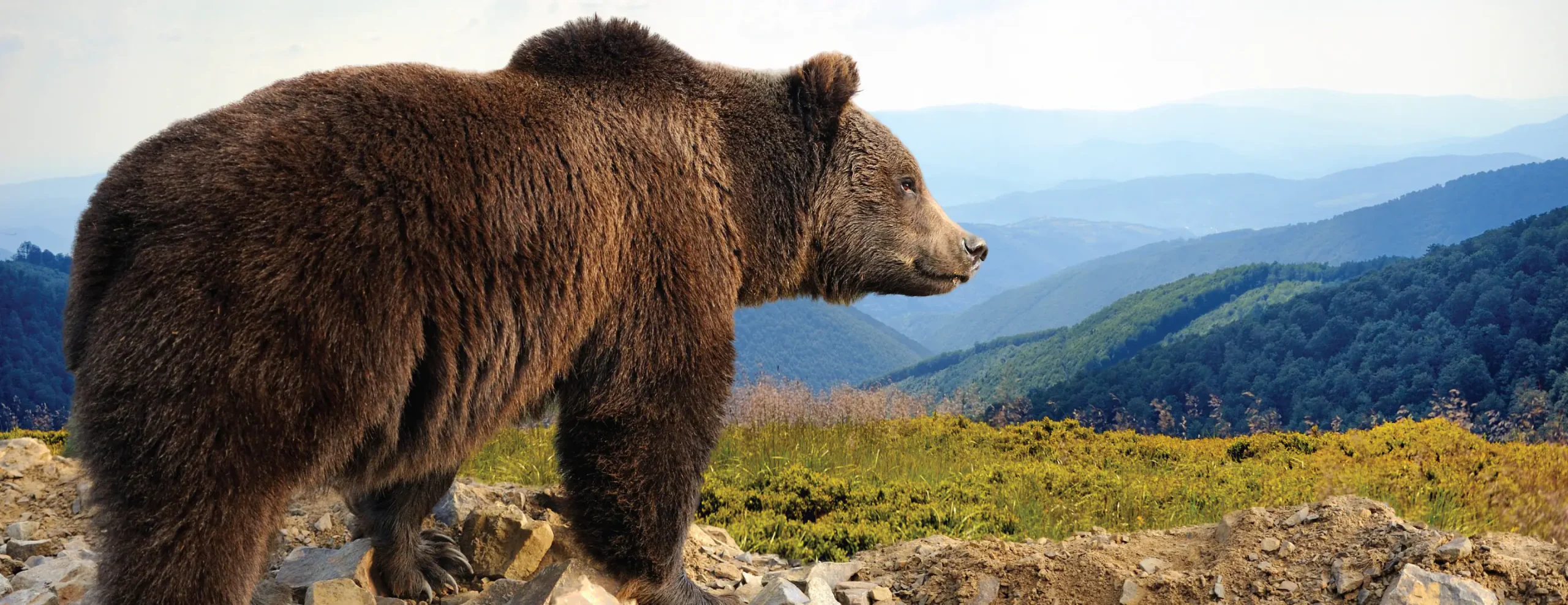
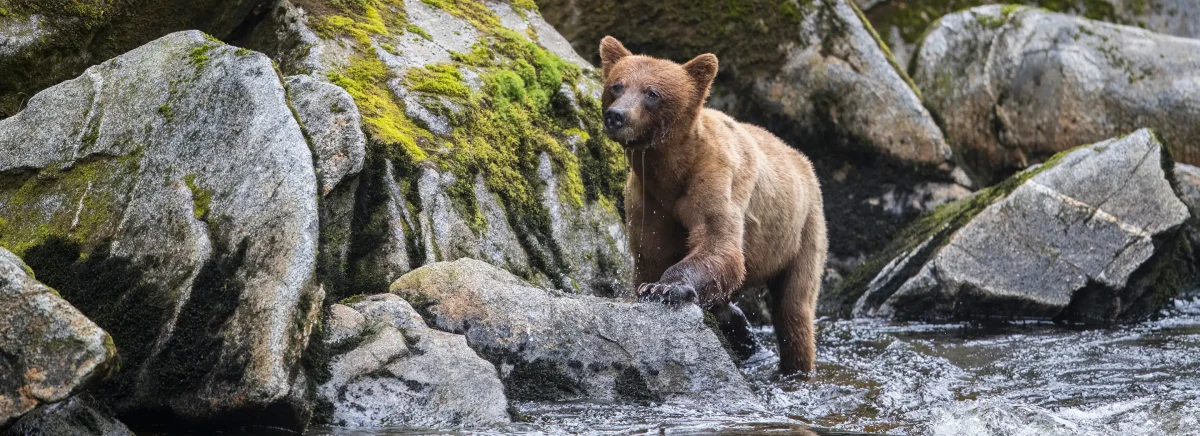
Prince Rupert, set amongst the coastal mountains, is the jumping-off point for travelers joining the coastal ferries to Haida Gwaii, Vancouver or north to Alaska. Highlights include the quaint Cow Bay with its shops and restaurants, the Museum of Northern British Columbia, the totem carving house or the stunning sunken gardens. Prince Rupert certainly has abundant wildlife. The region is home to the highest concentration of grizzly bears in North America. The Khutzeymateen Grizzly Bear Sanctuary, established in 1994, was the first area in Canada to be protected specifically for grizzlies and their habitat.
DAY 12 – SCENIC CRUISING – WHALE CHANNEL / PRINCESS ROYAL CHANNEL
Whale Channel is a picturesque waterway separating Gil Island from Princess Royal Island in British Columbia’s Inside Passage. Surrounded by snow-capped mountain ranges and teeming with marine life, It is a diversion from the main shipping lane, located roughly halfway between Prince Rupert and the First Nations village of Klemtu.
DAY 13 – ALERT BAY, CANADA
Located on the now-dormant Alert Bay volcanic belt, Cormorant Island is host to Vancouver Island’s oldest northern community, the small town of Alert Bay. It is located in the traditional territory of the Kwakwaka’wakw First Nation and today is a blend of both aboriginal and pioneer culture.
DAY 14 – VANCOUVER, CANADA
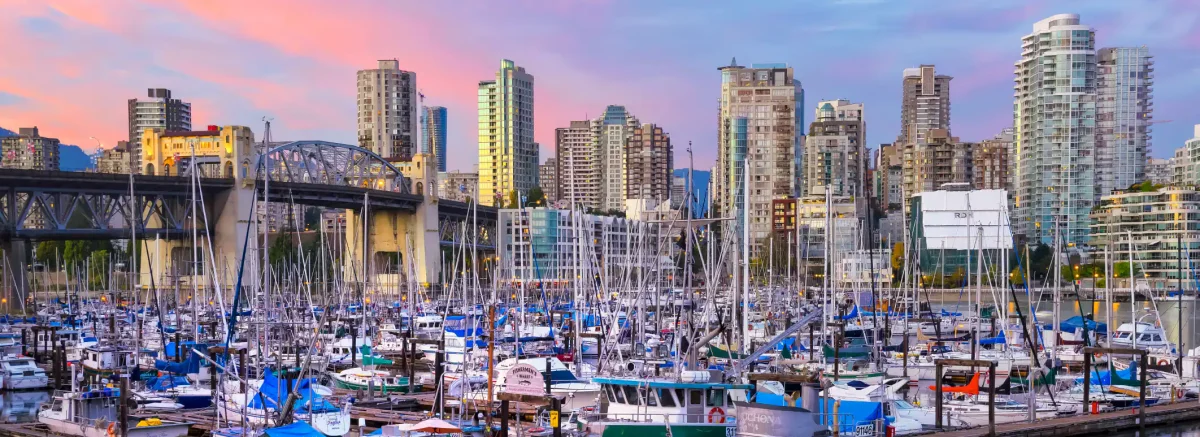
Vancouver is a city blessed with unparalleled natural beauty. Surrounded by mountains and water, the cityscape is a stunning juxtaposition of modern architecture against a backdrop of majestic peaks and the Pacific Ocean. Stanley Park, an urban oasis, offers a haven of lush forests, seawalls, and beaches, providing a perfect escape into nature without leaving the city. From skiing and snowboarding in the nearby mountains during the winter to hiking, biking, and kayaking in the warmer months, outdoor enthusiasts will find a paradise here.