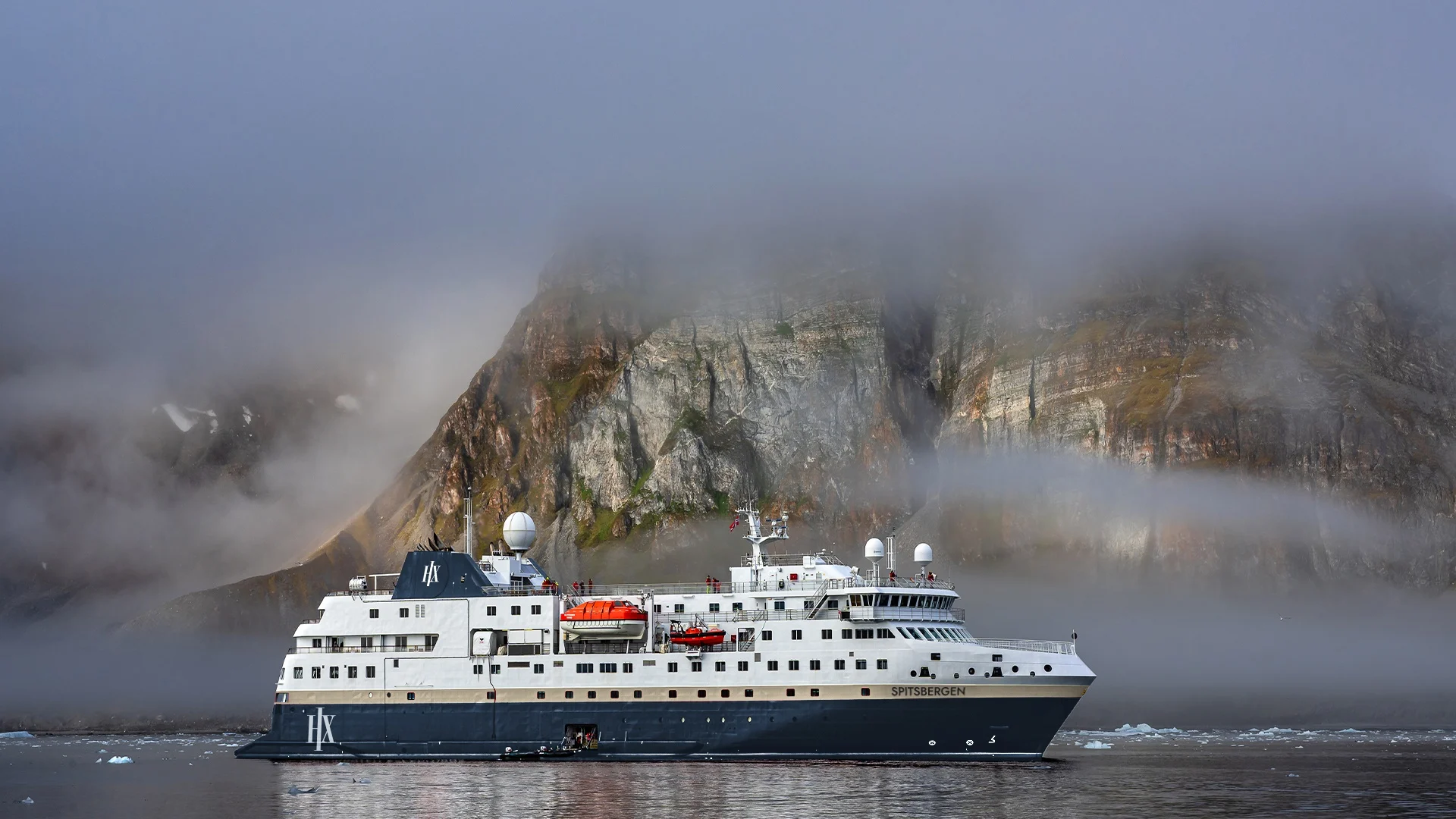
Experience an all-inclusive Svalbard cruise with Hurtigruten from the High Arctic exploring fjords, islands and stunning wildlife.
Enjoy two excursions for free on select voyages and a low deposit of only $250 per person!*
Contact Flat Beds Tour + Cruise and find the best time to visit this amazing destination with Hurtigruten.
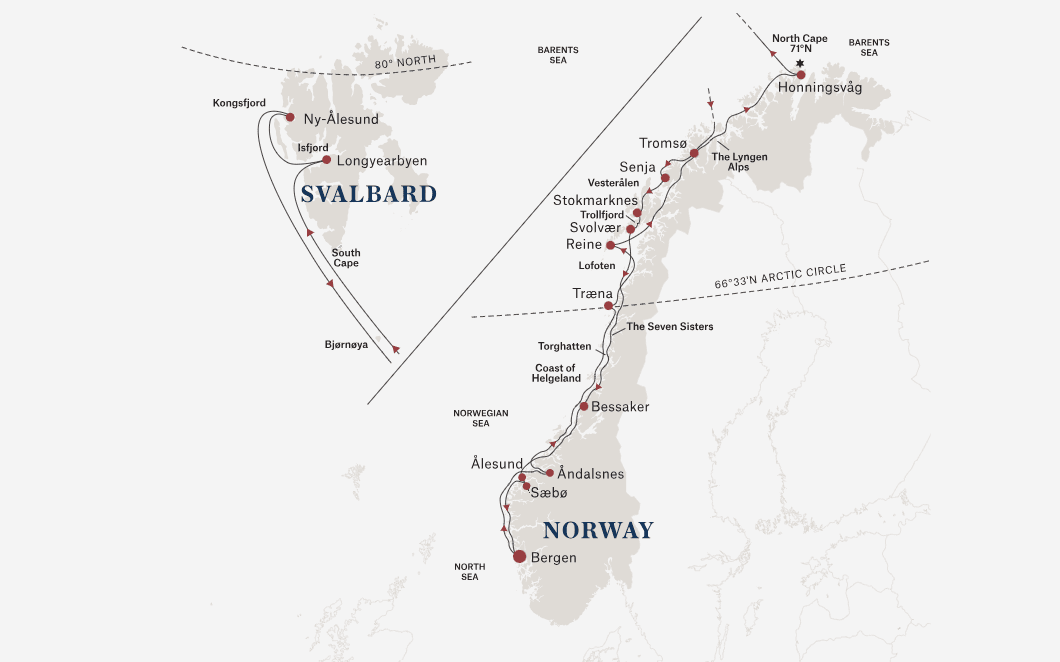
Embark on a 15-day cruise into the high Arctic and back with premium inclusions. From Bergen, you’ll follow the coast past Trondheim, Tromsø and the North Cape before crossing the Barents Sea to Longyearbyen and remote Ny-Ålesund. Discover frontier history, Arctic wildlife and the remote beauty of Svalbard.
Included Items
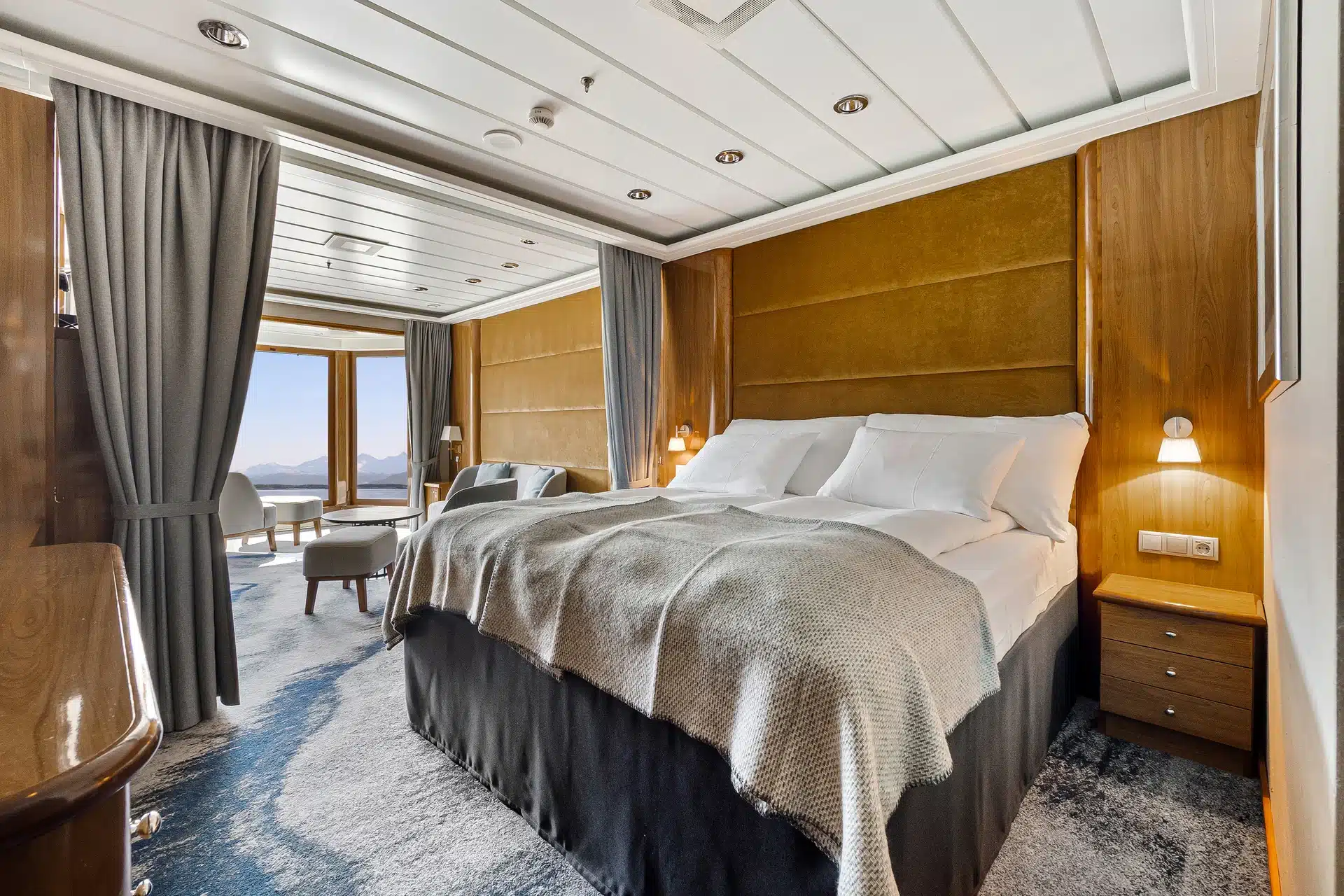
Choice of cabin onboard
Breakfast, lunch & dinner during the cruise
Selection of wine, beer and softdrinks and select spirits onboard
Afternoon snack at 1893 bar
Unlimited tea & black drip coffee
Culinary demonstrations & food tastings
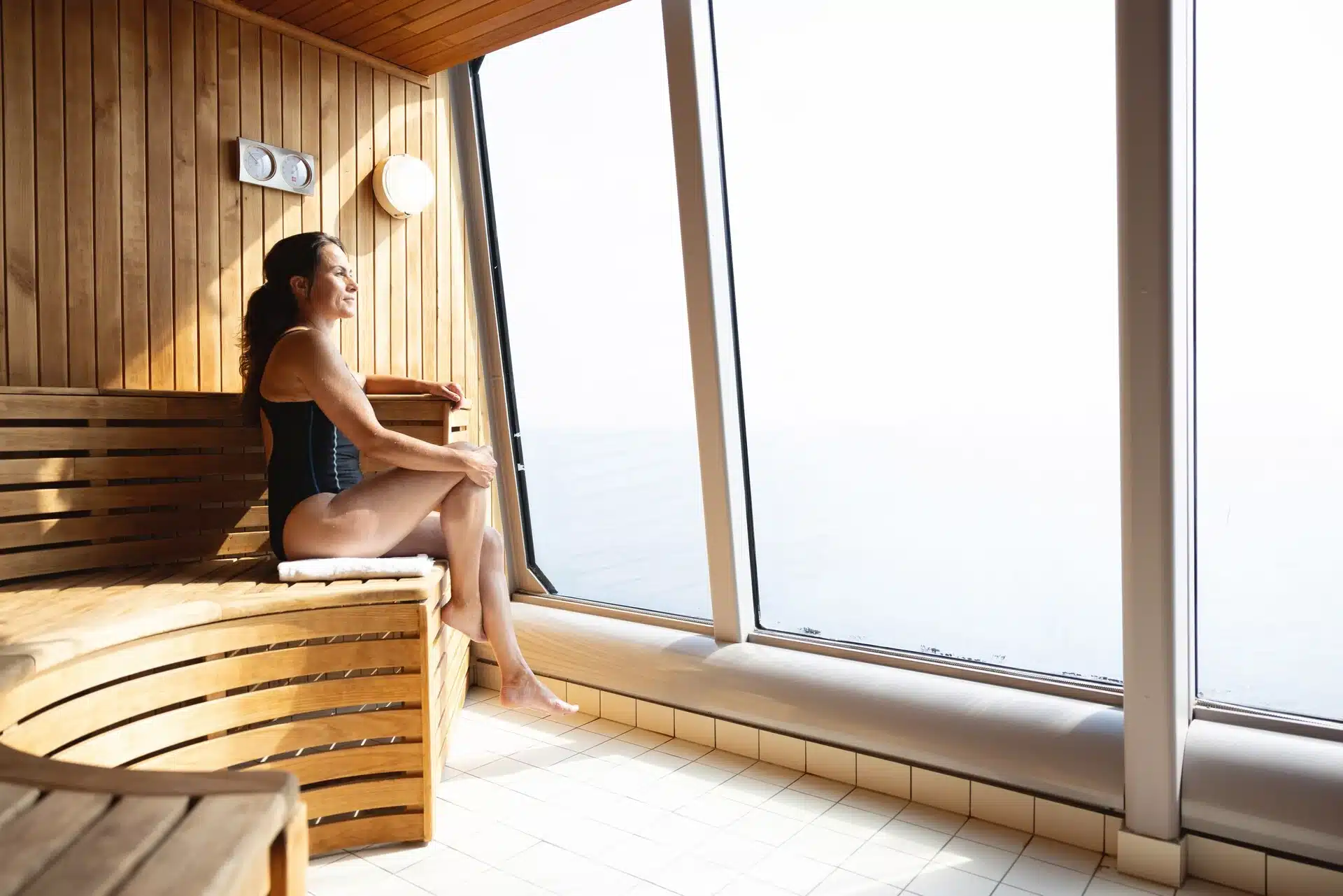
Access to fitness room and sauna facilities
Multi-lingual expedition team
Daily themed lectures
Free WiFi
Fitness room, sauna, pano lounge & outdoor deck
Tour Company
Hurtigruten
Tour Location
Europe, The Arctic
Deal Type
Expedition Cruise, Ocean Cruise
Map
More Information
Itinerary - Days 1-8 +
SUMMER ITINERARY
DAY 1 – BERGEN
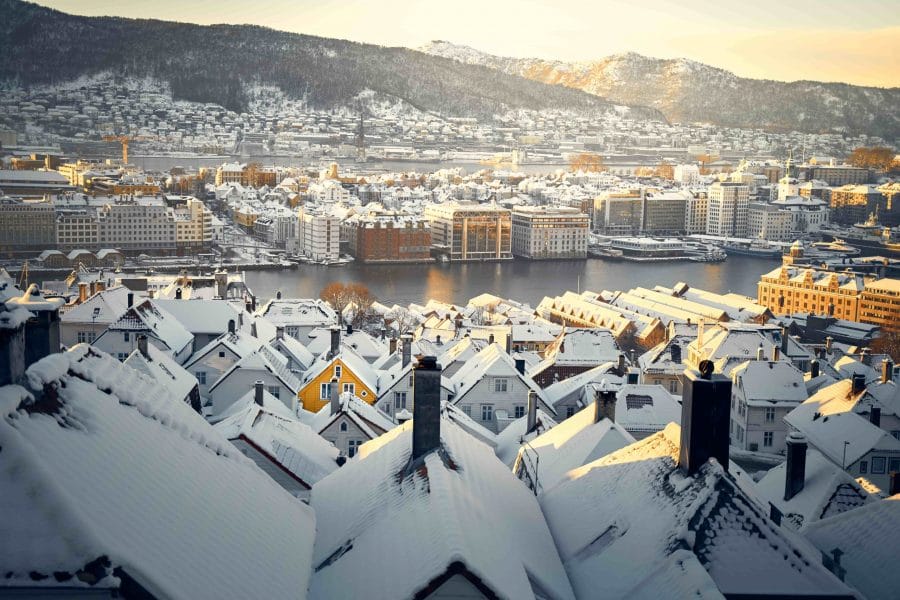
Welcome to Bergen! Your voyage begins in this beautiful city on the west coast of Norway. What began as a small village was developed by King Olav Kyree in 1070 AD and is now Norway’s second largest city. The majestic peaks that famously surround the city give Bergen its nickname, “The City of Seven Mountains”.
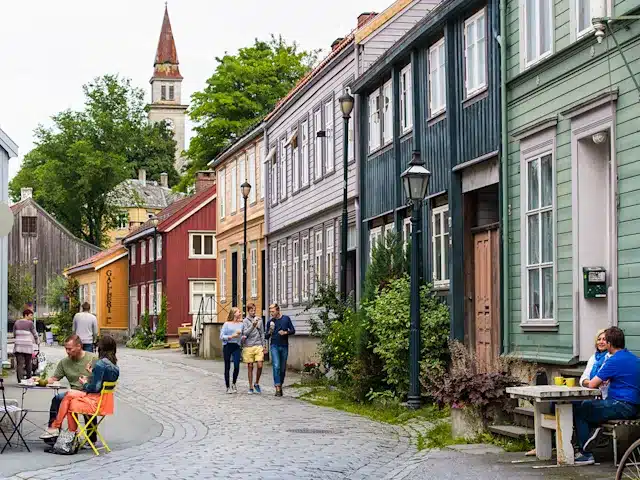
Nestled in Bergen’s centre is Vågen Bay, the historic core of the city, and home to the UNESCO-listed Bryggen quarter made up of charming cobblestone streets and local boutique shops. Across from Bryggen, you’ll find the fish market, which cooks up fresh and delicious seafood dishes to feast on.
DAY 2 – ÅNDALSNES
Located at the mouth of the river Rauma on the shores of the Romsdalfjord, Åndalsnes is a picturesque coastal town, home to about 2,000 people.
The literal highlights of Åndalsnes are the mountains that tower over the town and which line the Romsdalen valley. Trollveggen, the Troll Wall, is one prominent cliff with a vertical drop of more than 1,000 metres, making it popular for BASE jumpers.
Experience the Norwegian concept of friluftsliv – a love of the outdoors – through a variety of activities, such as hiking to a local viewpoint. For an easier way to take in the sights, sit back for a relaxing ride on the Romsdal Gondola or travel the winding Trollstigen Pass by bus.
There is also the Golden Train experience along the Rauma Railway, voted Europe’s most scenic train journey by Lonely Planet.
DAY 3 – TRÆNA
Træna is an archipelago that sits along the Helgeland coast at the edge of the Arctic Circle, 33 nautical miles northwest of the mainland. Made up of around 500 islands, islets, and skerries, only four are inhabited year-round.
Today’s selection of activities and optional excursions takes you to the heart of the archipelago’s sights and traditions. The village will be open just for you, including the church, Petter Dass chapel and the local museum. Alternatively, you can join a hike, take a cultural walk, or immerse yourself in a sauna and refreshing dip in the Arctic Ocean on one of the optional excursions.
Back on board, you’ll cross the Arctic Circle as you continue heading north, commemorating the moment with a traditional and fun ceremony.
DAY 4 – REINE
Today, you explore the famed Lofoten Islands. Watch for the steep mountains rising from the sea as we approach from the south in the morning.
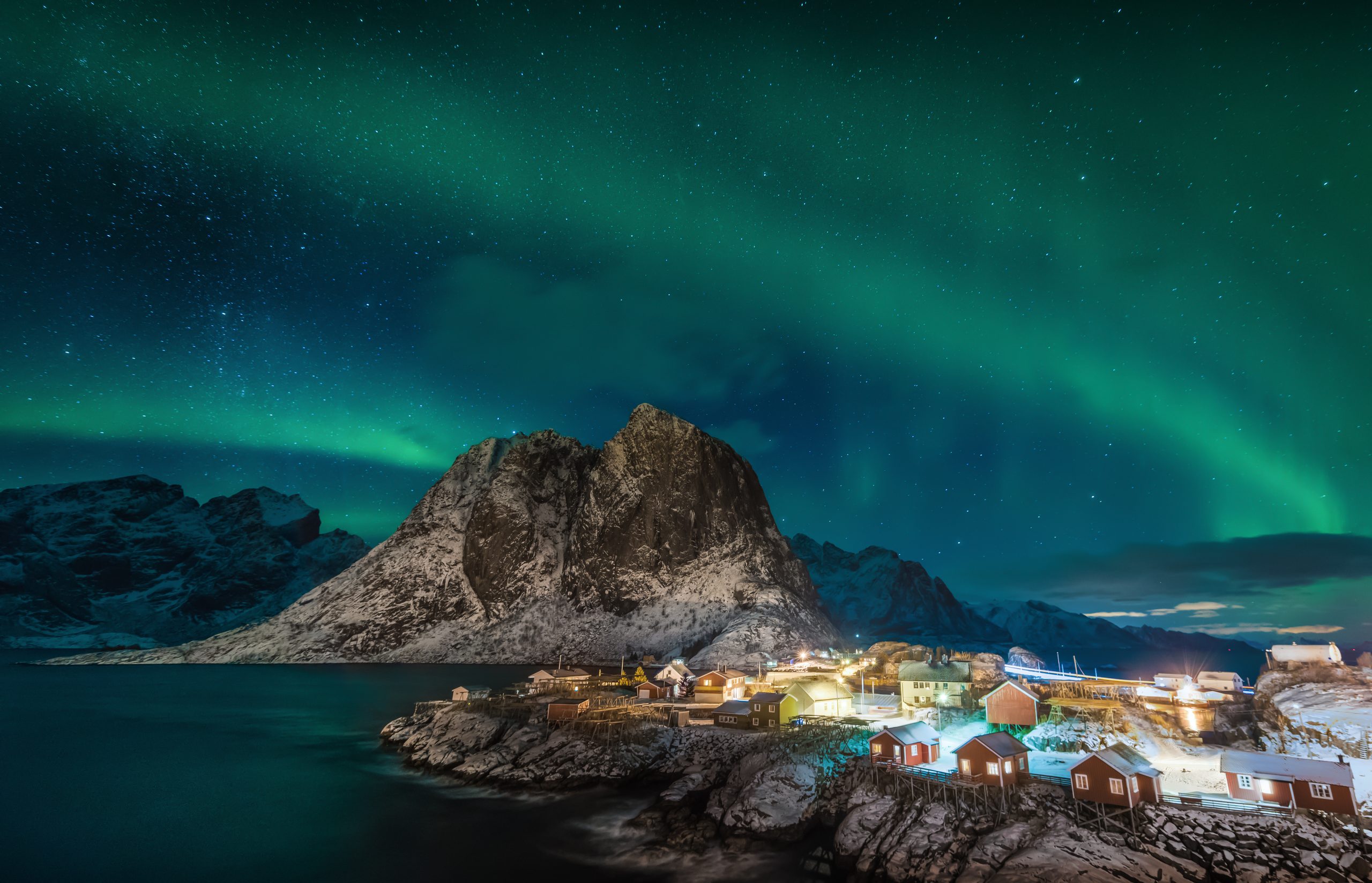
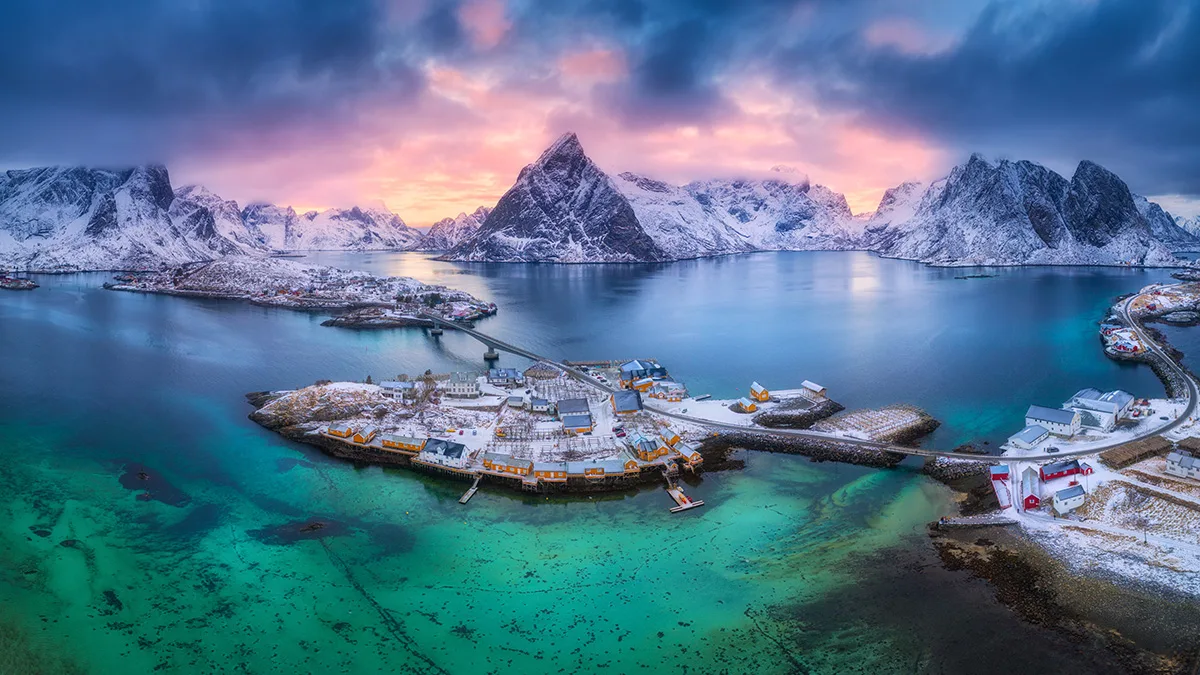
You’ll dock in Reine, an important – and picture-perfect – fishing village since 1743. This is one of the most-photographed landscapes in all of Norway, where red-painted rorbuer cling to a string of islands beneath sharp mountain ranges reflected in the waters below.
Not far to the south of Reine, at the western tip of the Lofoten archipelago, you’ll find Å, one of the best-preserved traditional fishing villages in Norway. You can visit it on an optional excursion.
At the heart of this tiny village is the Norwegian Fishing Village Museum, which covers the importance and development of fishing in Lofoten over the last 250 years.
DAY 5 – TROMSØ
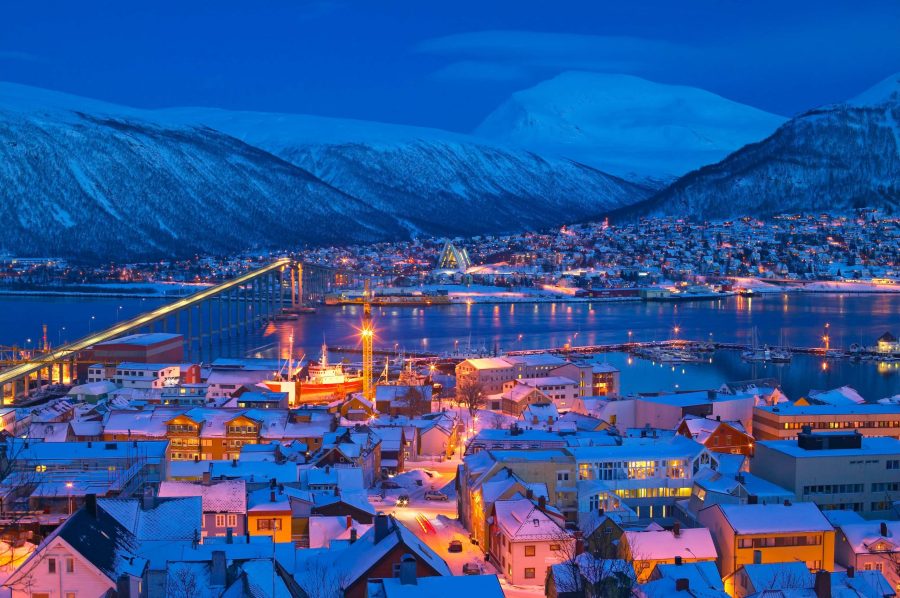
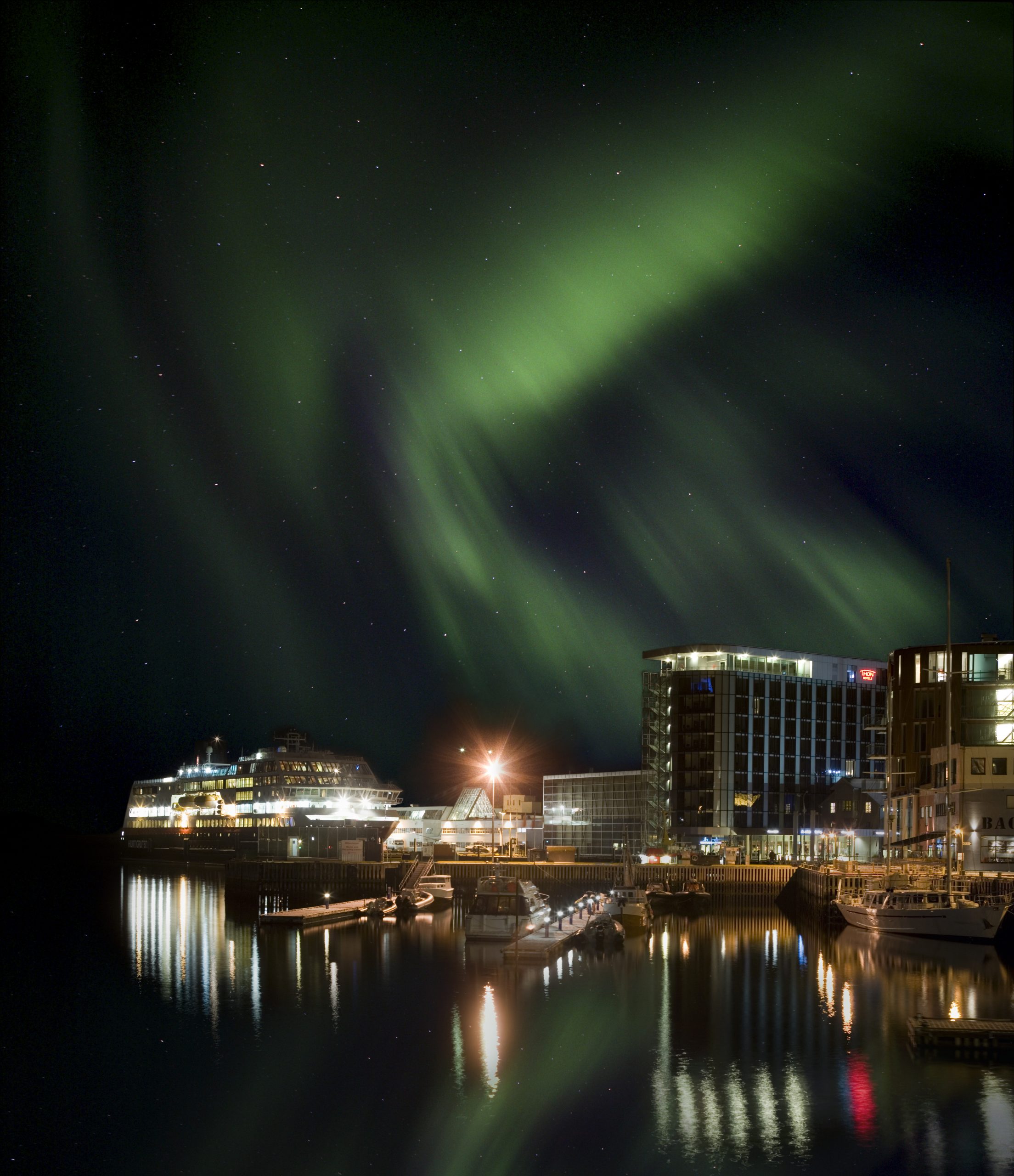
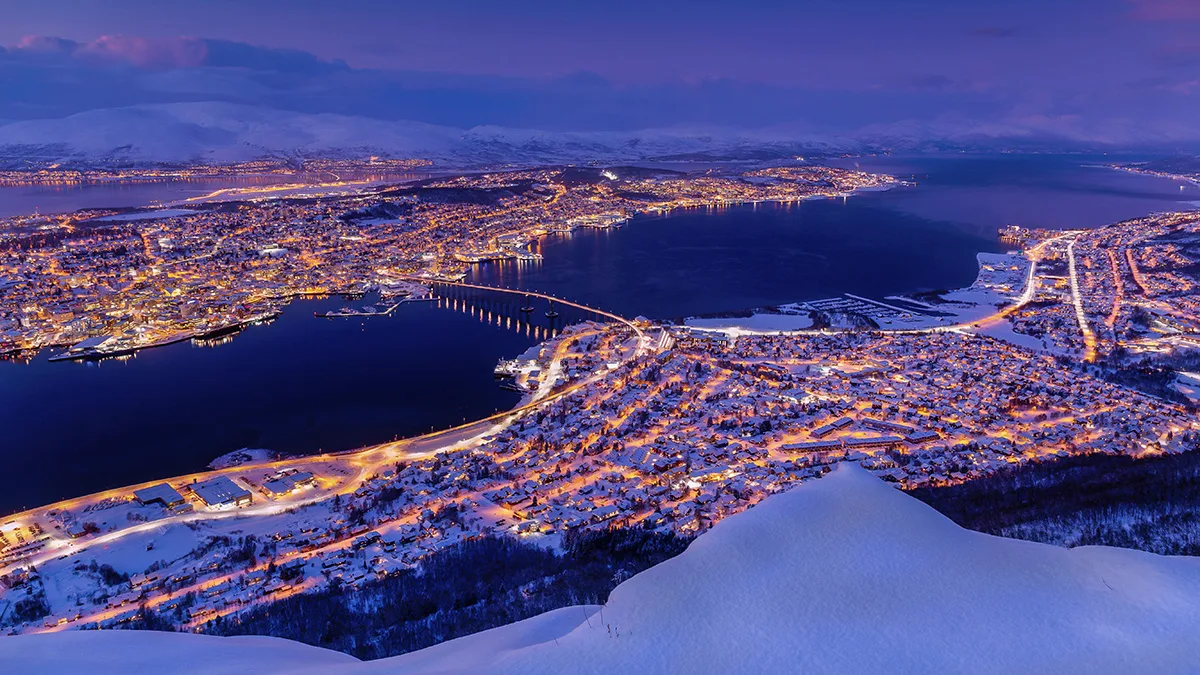
Tromsø is northern Norway’s urban Arctic hotspot, boasting impressive architecture, hip restaurants, and the world’s northernmost university.
Calling into Tromsø on the way to or from Svalbard follows in the footsteps of history. Most explorers and sailors on Arctic expeditions would embark from or return to the city.
They aim to dock here in the morning, giving you a whole day to explore this historic Arctic city and its surroundings. Take your pick from a number of optional excursions. Learn more about the culture and polar history of Tromsø on a city walk, or take a scenic bus tour.
You can also visit the striking Arctic Cathedral, which has an impressively large multi-coloured stained-glass window. Or ride the Fjellheisen Cable Car up Storsteinen Mountain for exceptionally beautiful views of the city, mountains, and fjords.
Tromso
DAY 6 – HONNINGSVÅG
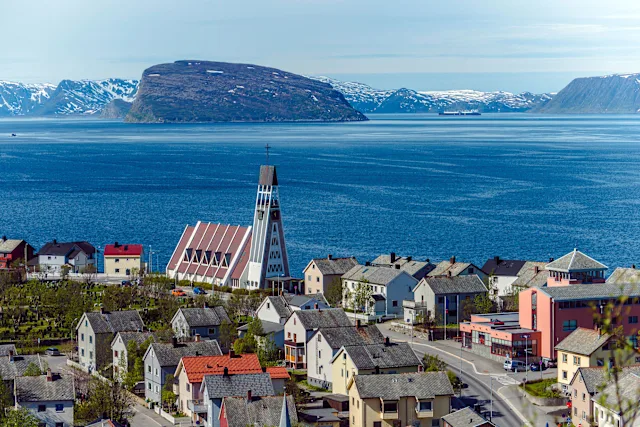
Around mid-morning, we arrive at Honningsvåg, the northernmost city in mainland Norway.
You have several optional excursions to pick from here. These could include taking a bus, riding a quad bike to the North Cape, or a refreshing hike with your Expedition Team.
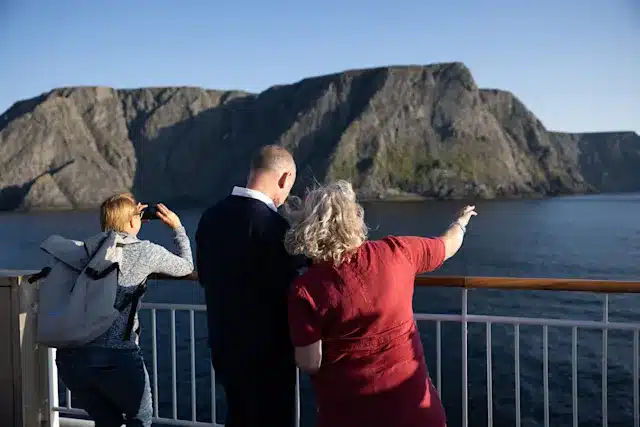
Honningsvåg is also the gateway to the North Cape, the northernmost point of Europe. The plateau stands 307 metres above the sea, and is just over 1,000 miles south of the geographical North Pole. Take a moment to gaze out across the sea from a top the soaring cliffs, watching the waves crash against the rocks below.
Sailing away from Honningsvåg, you’ll enjoy dramatic views of the plateau from the sea. The ship will head further into the Barents Sea, leaving mainland Norway’s coast far behind you.
DAY 7 – AT SEA
Today is a day spent far from land as you cross the Barents Sea heading towards the remote wilderness of Svalbard. It really does feel like you’re leaving civilisation far behind as you sail towards the top of the world. There will be a lecture about Svalbard, and the theme of the day is Arctic desert. Out on deck, the talented chefs will prepare another special tasting for you to enjoy – and listen out for any points of interest from the Expedition Team.
It’s a day for you to relax and enjoy the ship’s facilities, and also to look ahead and learn about our next destination. At some point today you will sail past the lonely and rugged island of Bjornøya – ‘Bear Island’ – although no bears live there today. Why not get a cup of tea or coffee and seat yourself somewhere comfortable and read up about the nature and history of the Arctic frontier. In the afternoon there will be a briefing about the special rules that we all must follow to protect the delicate local ecology when you reach Ny-Ålesund.
DAY 8 – LONGYEARBYEN
Today, you arrive at the Svalbard archipelago and make your way up to Spitsbergen, the largest of the three main islands. Magnificent brown and green mountains rise and ripple up from the High Arctic tundra while rivers of snow-melt trickle through the valley plains, glistening under the summer sun.
Take a moment to just be here, now, in Svalbard. You’re at a latitude more than 78°N and under 820 miles from the North Pole itself. The air of this Arctic desert is fresh and pure, and temperatures in summer average between zero and eight degrees Celsius thanks to a warm northern branch of the Gulf Stream.
In early afternoon, you find Longyearbyen nestled on the banks of Isfjord. A former coal mining colony, it is the biggest settlement in Svalbard and a hub for adventure travellers, as well as scientists and engineers attached to local research projects, like the famous Global Seed Vault.
Spend some time strolling around the town, admiring its collection of galleries, pubs, restaurants, brewery, and the notable North Pole Expedition Museum.
At the tip of Brøgger peninsula, on one of Kongsfjord’s shores, is Ny-Ålesund. Like Longyearbyen, it began as a coal mine but became host to scientific stations from the mid 20th century. During the summer, there are over a hundred researchers based in the town, representing 20 glaciology and climate institutes from more than 10 countries.
Wander around what is one of the northernmost settlements in the world, drop in at the local museum and souvenir shop, or send a far-flung postcard back to friends and family from the small post office.
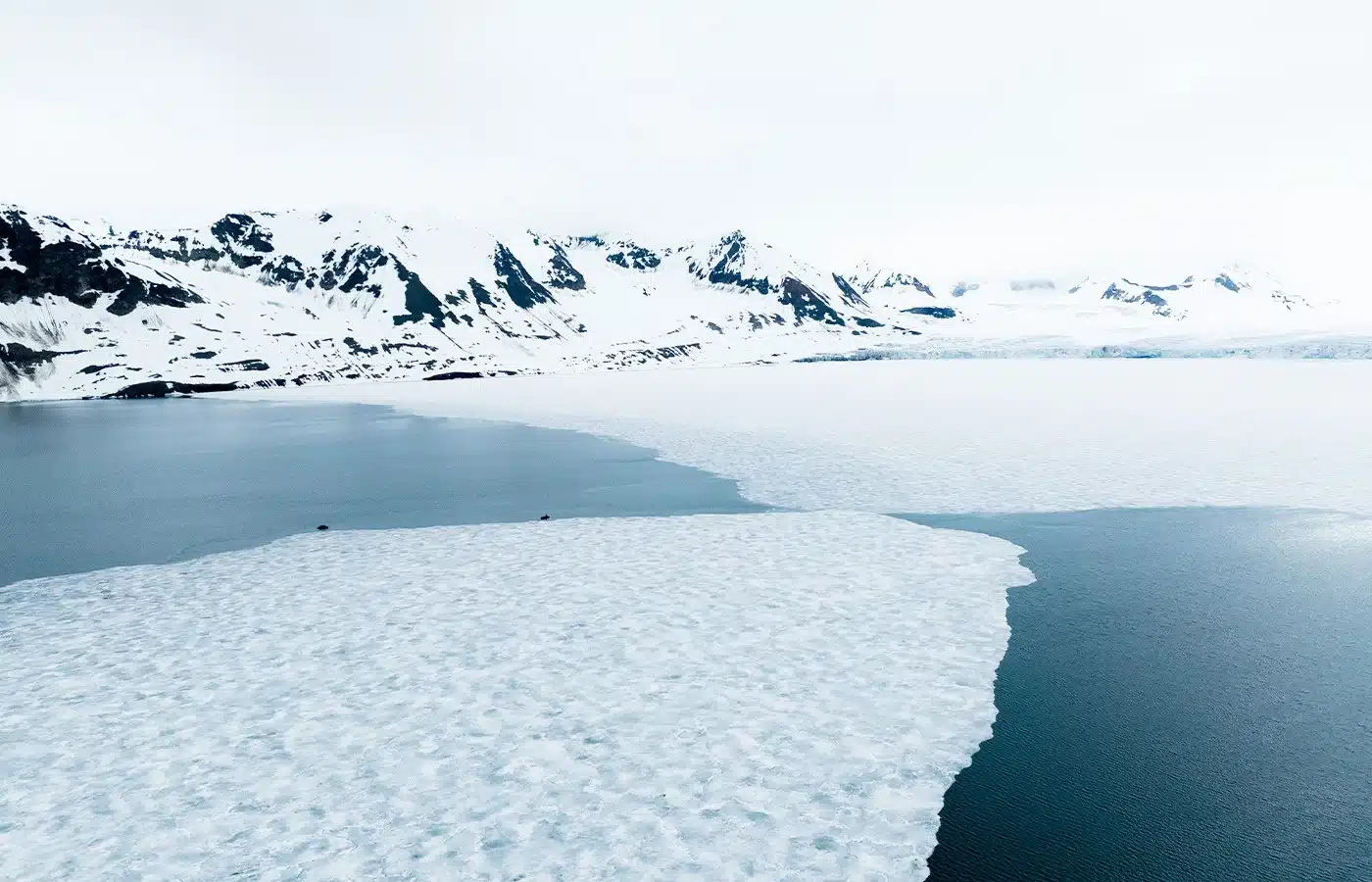
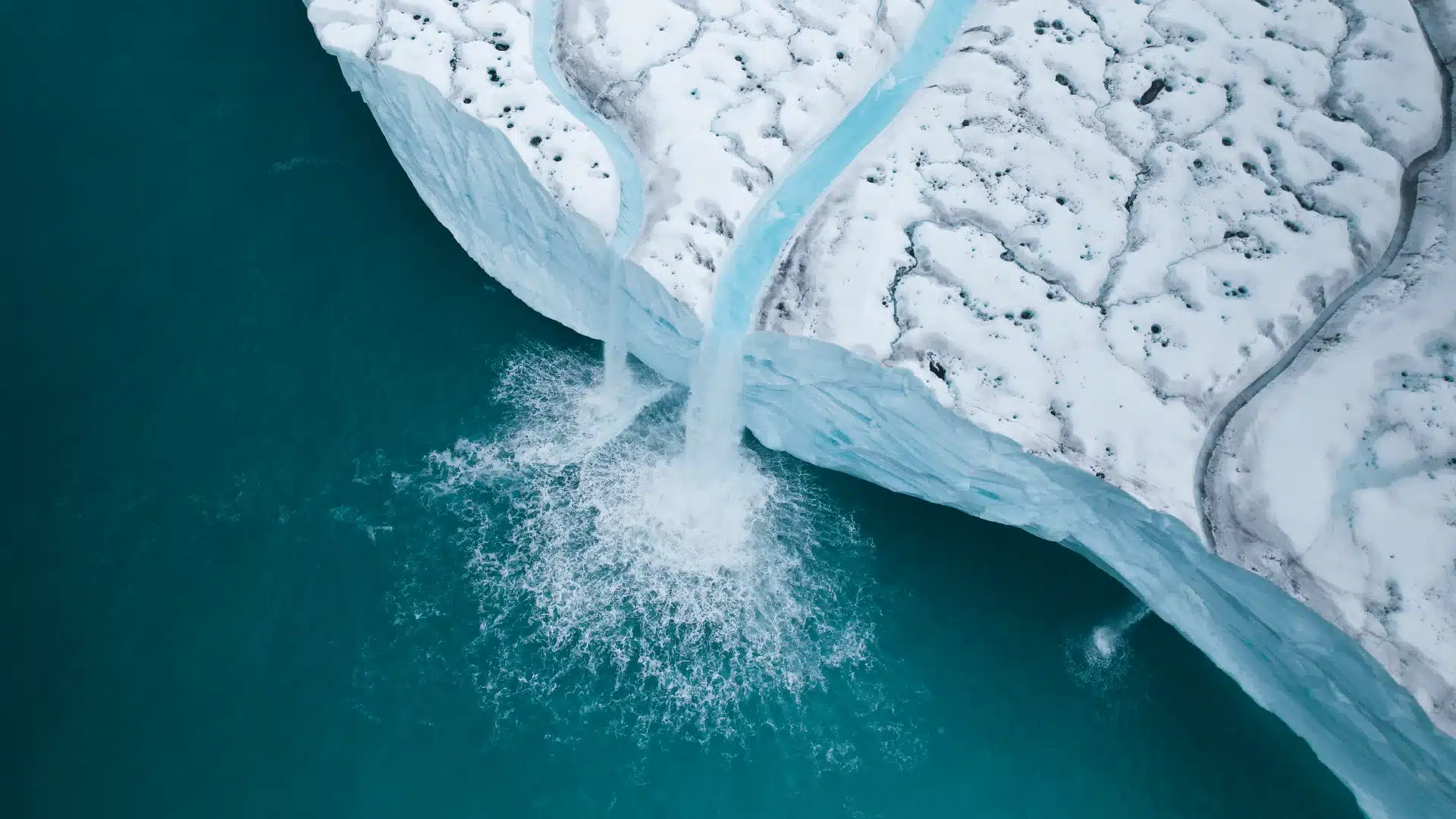
If you weren’t up in time to enjoy the impressive views of Kongsfjord on the way to Ny-Ålesund, make sure you’re on deck as you leave. It’s one of the largest fjords in the area, with an entrance guarded by two colossal creaking glaciers that regularly deposit ice into the fjord.
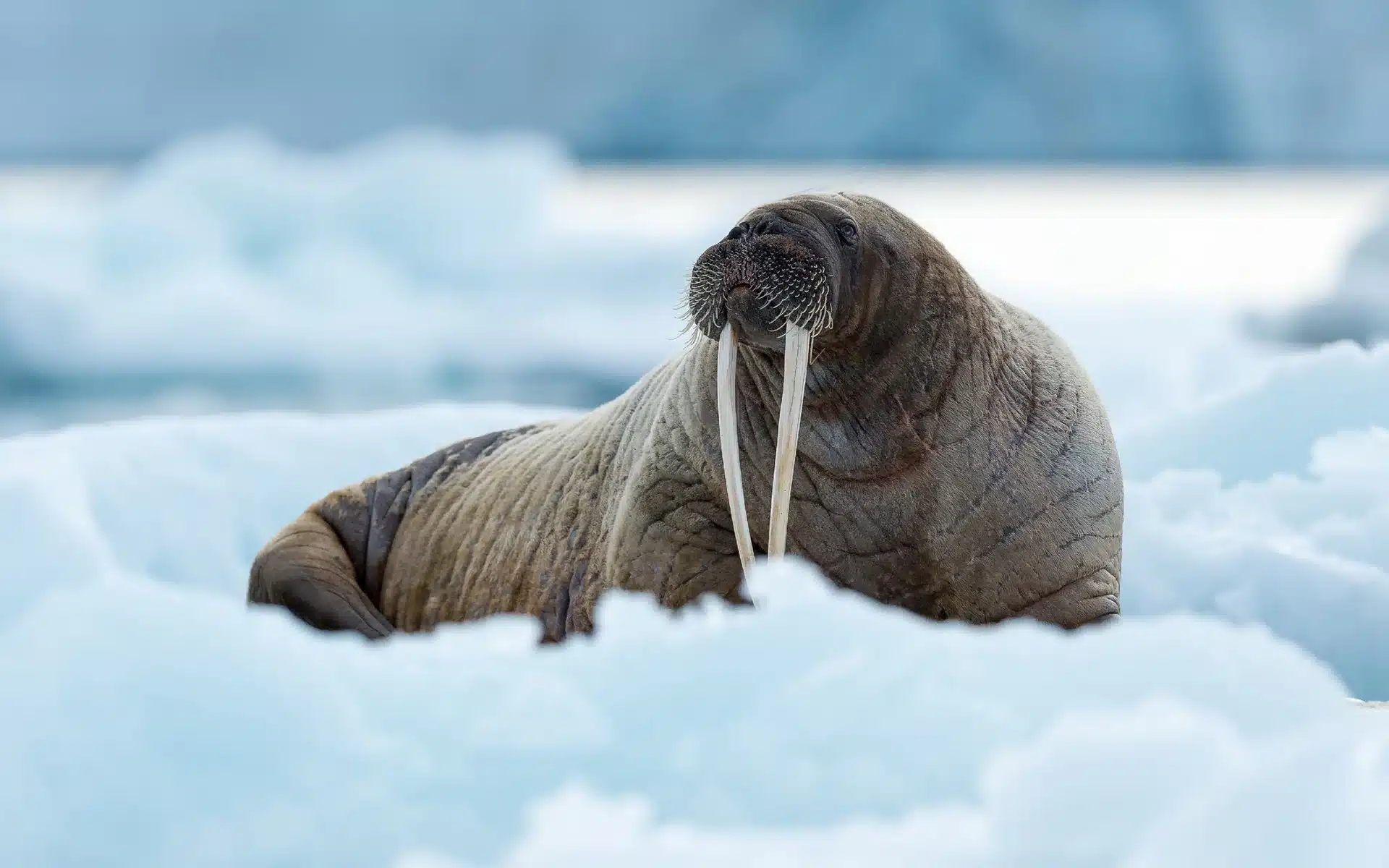
This stretch is also a good place to look out for walrus basking on the shores and for many different species of migrating birds, including puffins, king eiders, pink-footed geese, and guillemots.
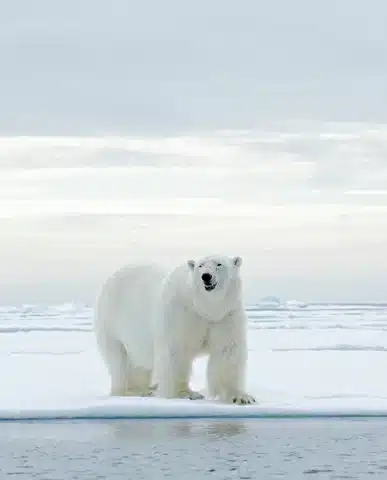
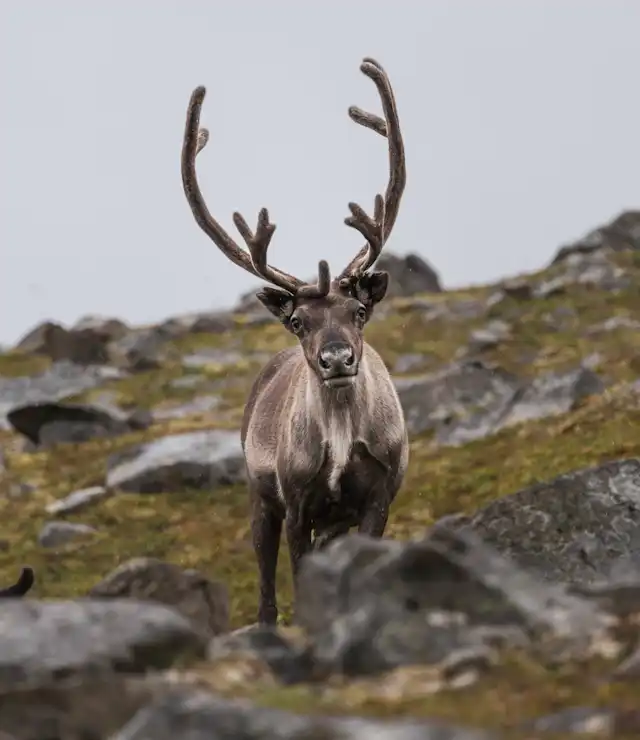
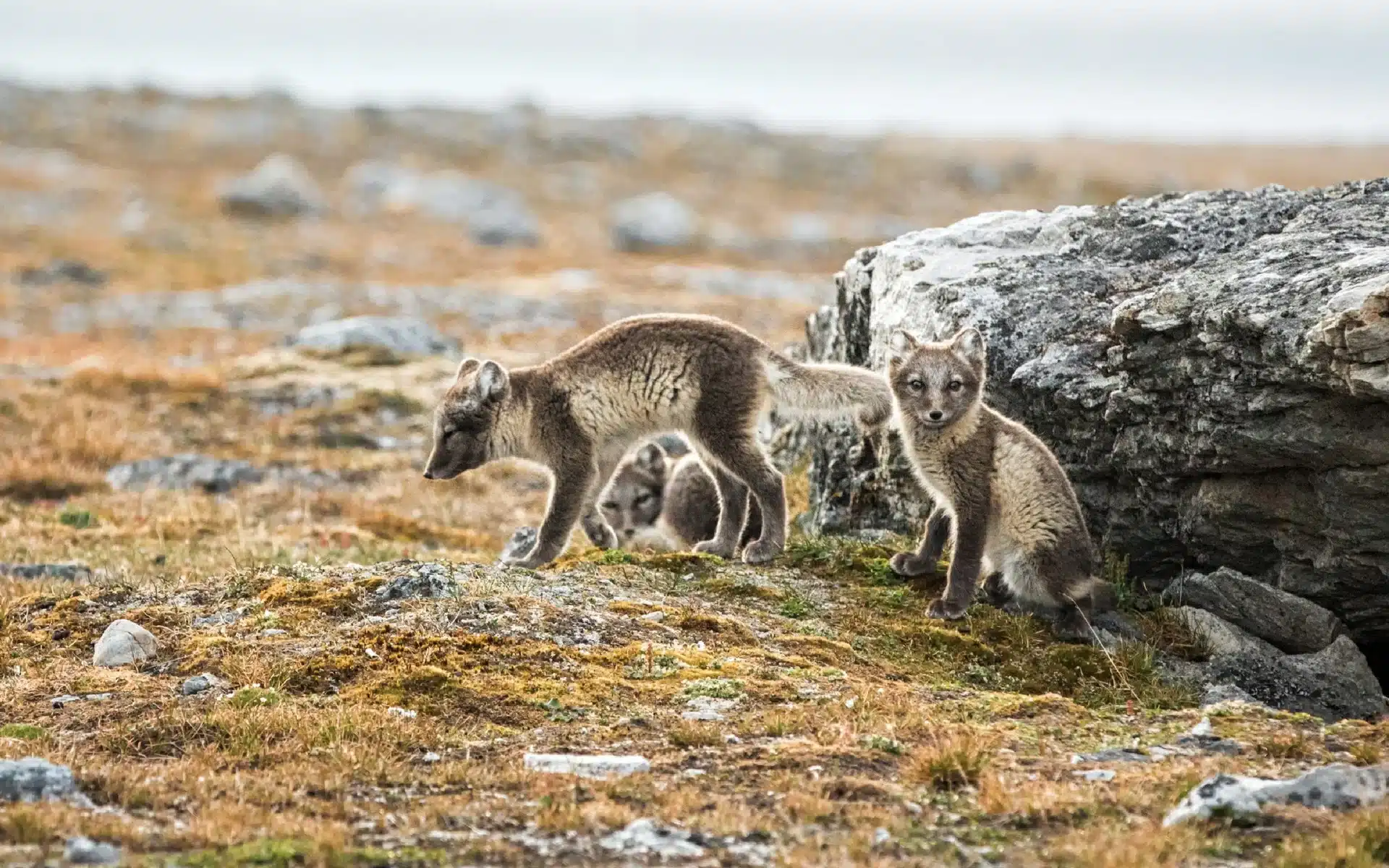
Arctic fox and Svalbard reindeer can sometimes be spotted on land while the white beluga whale has been known to surface in the waters here too. If you’re very lucky, you might even see a polar bear prowling the coast for bearded and ringed seals.
Itinerary - Days 9-15 +
DAY 9 – NY-ÅLESUND
At the tip of Brøgger peninsula, on one of Kongsfjord’s shores, is Ny-Ålesund. Like Longyearbyen, it began as a coal mine but became host to scientific stations from the mid 20th century. During the summer, there are over a hundred researchers based in the town, representing 20 glaciology and climate institutes from more than 10 countries.
Wander around what is one of the northernmost settlements in the world, drop in at the local museum and souvenir shop, or send a far-flung postcard back to friends and family from the small post office.
If you weren’t up in time to enjoy the impressive views of Kongsfjord on the way to Ny-Ålesund, make sure you’re on deck as we leave. It’s one of the largest fjords in the area, with an entrance guarded by two colossal creaking glaciers that regularly deposit ice into the fjord.
This stretch is also a good place to look out for walrus basking on the shores and for many different species of migrating birds, including puffins, king eiders, pink-footed geese, and guillemots.
Arctic fox and Svalbard reindeer can sometimes be spotted on land while the white beluga whale has been known to surface in the waters here too. If we’re very lucky, we might even see a polar bear prowling the coast for bearded and ringed seals.
DAY 10 – BARENTS SEA
Unfortunately, it’s time for you to say farewell to Svalbard and to Spitsbergen and sail south back to mainland Norway.
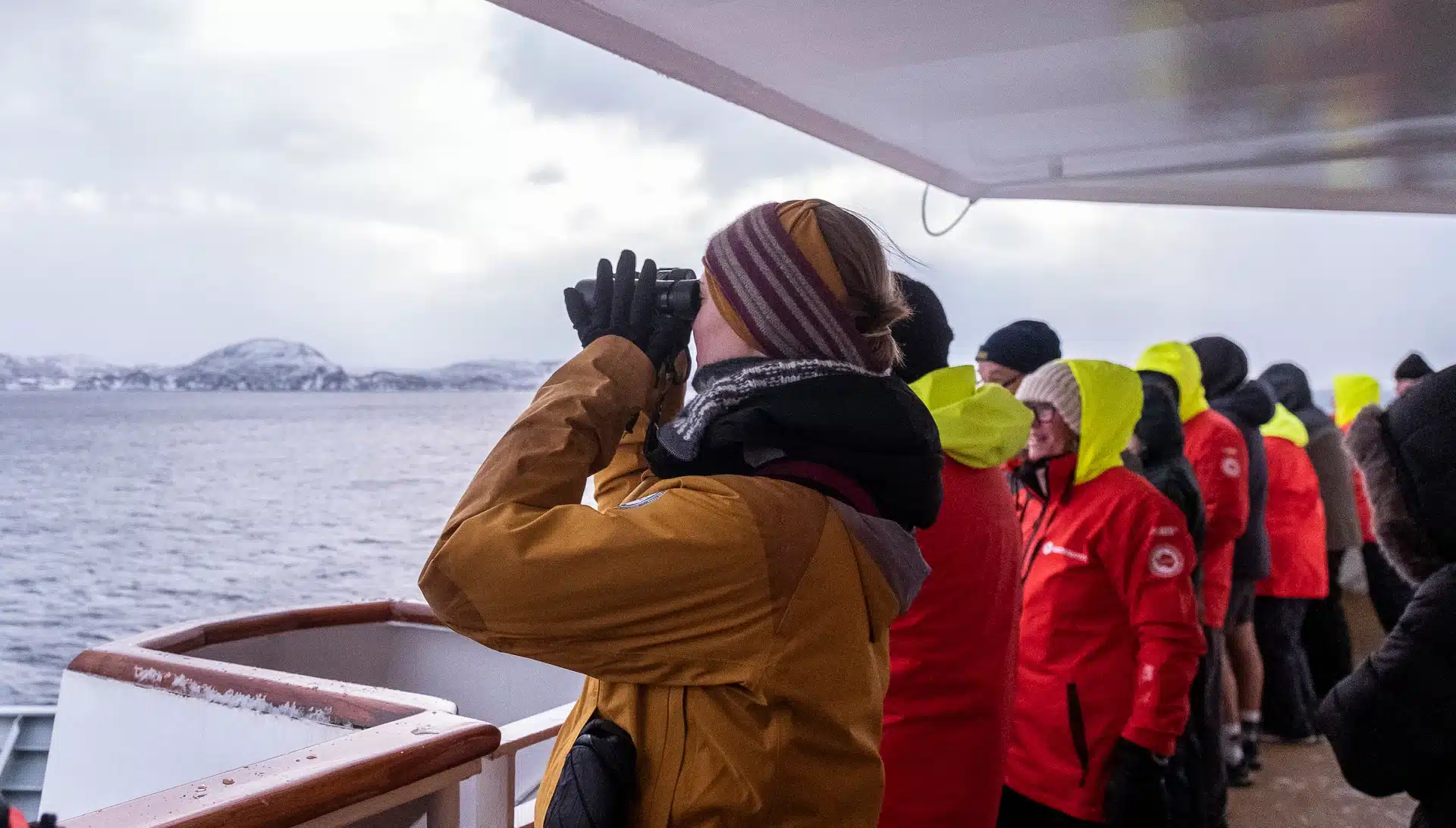
On board the ship, use the day to relax. If skies are clear, enjoy some summer sun out on deck and keep on the lookout for whales, dolphins, and porpoises.
For some fascinating insights into local history and wildlife, catch a lecture delivered by the Expedition Team.
Enjoy the sumptuous food and drinks on board, courtesy of our Norway’s Coastal Kitchen concept that features the finest, most flavoursome, local Norwegian produce.
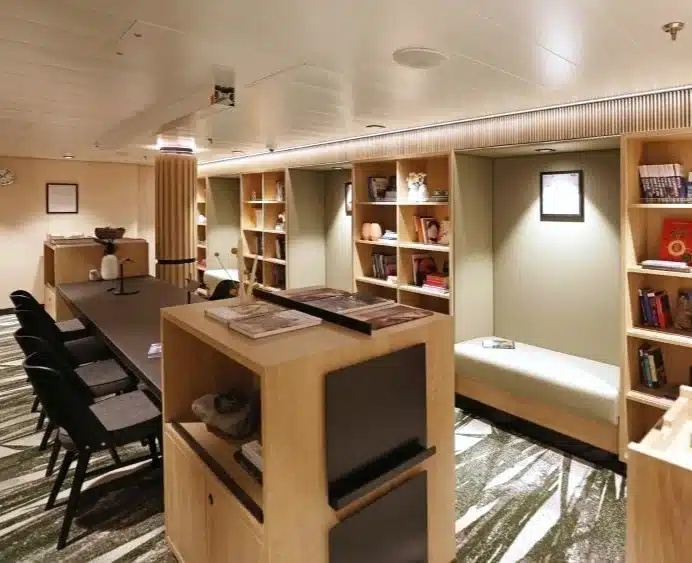
You can also curl up with a good book in the lounge or chat with new-found friends in the bar while reminiscing together about your favourite experiences of the voyage so far.
DAY 11 – SENJA
After a day at sea, you arrive back to mainland Norway.
The first stop of the day is Tromsø, to drop off any cargo from Svalbard and pick up cargo bound for ports to the south, before you continue south to Senja. The island is one of the country’s largest, and northern Norway’s fast-rising star destination, as you’d expect for a place ranked among CNN’s top ten most beautiful islands in the world.
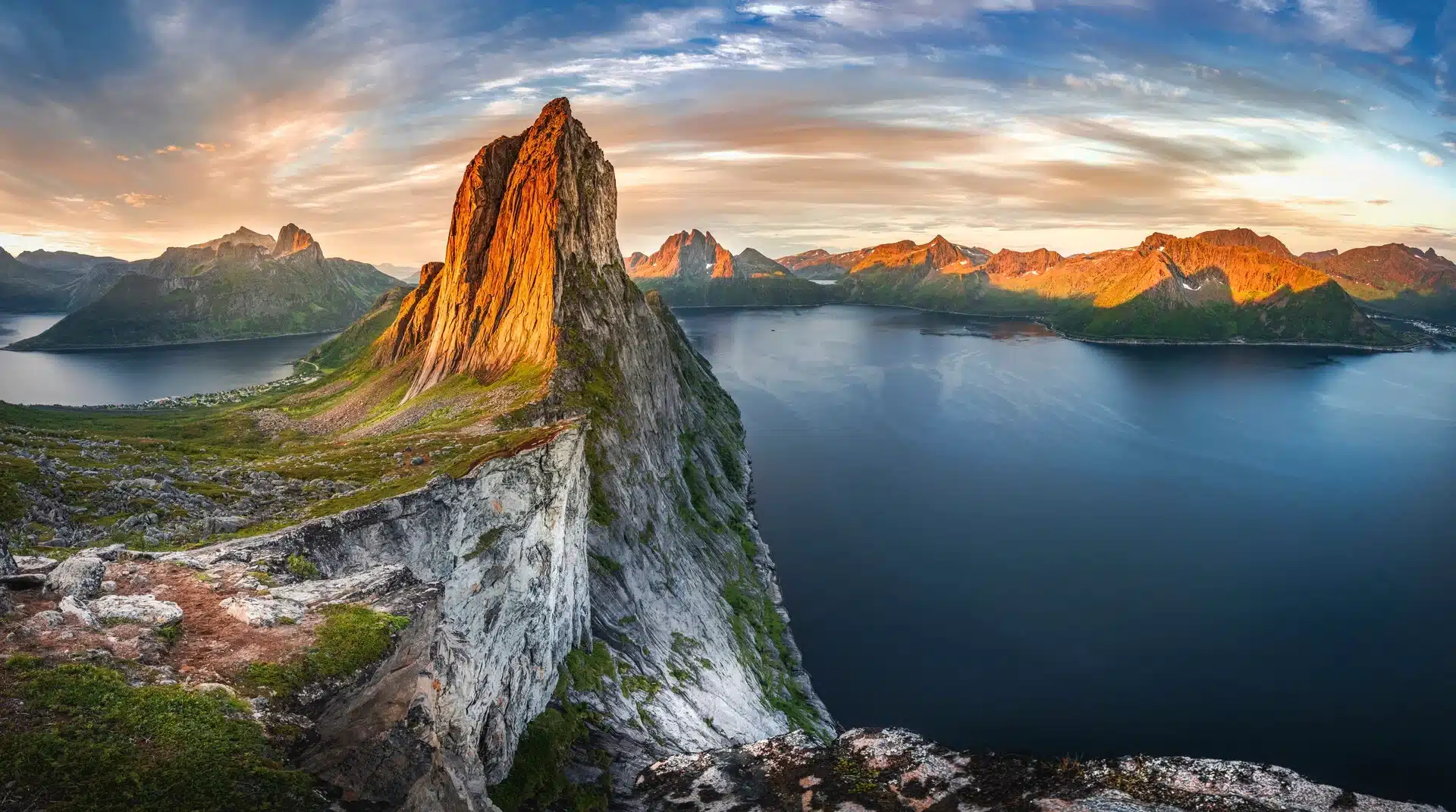
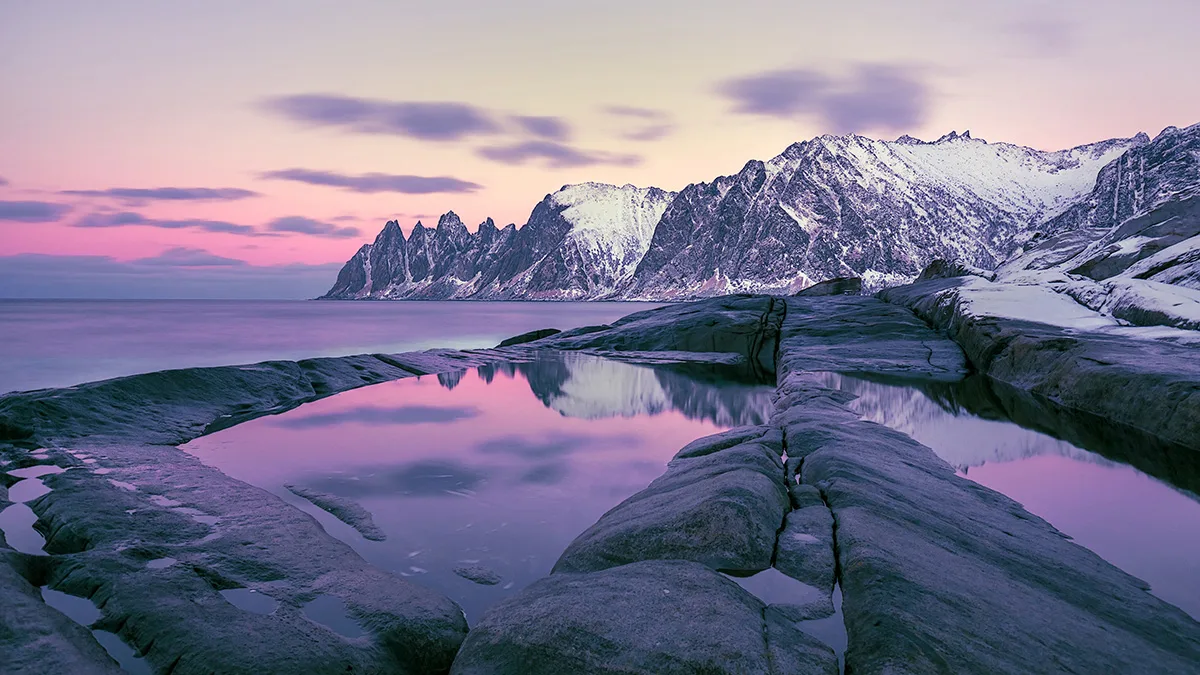
Often proudly described by locals as a ‘mini Norway’, Senja has a concentration of diverse landscapes that mirror different parts of the Norwegian coast, from the sandy beaches, turquoise waters and lofty mountains of its northern coast to the rocky coastline and pine forests of southern Senja and Ånderdalen National Park. You’ll find rolling hills and birch forests to the east.
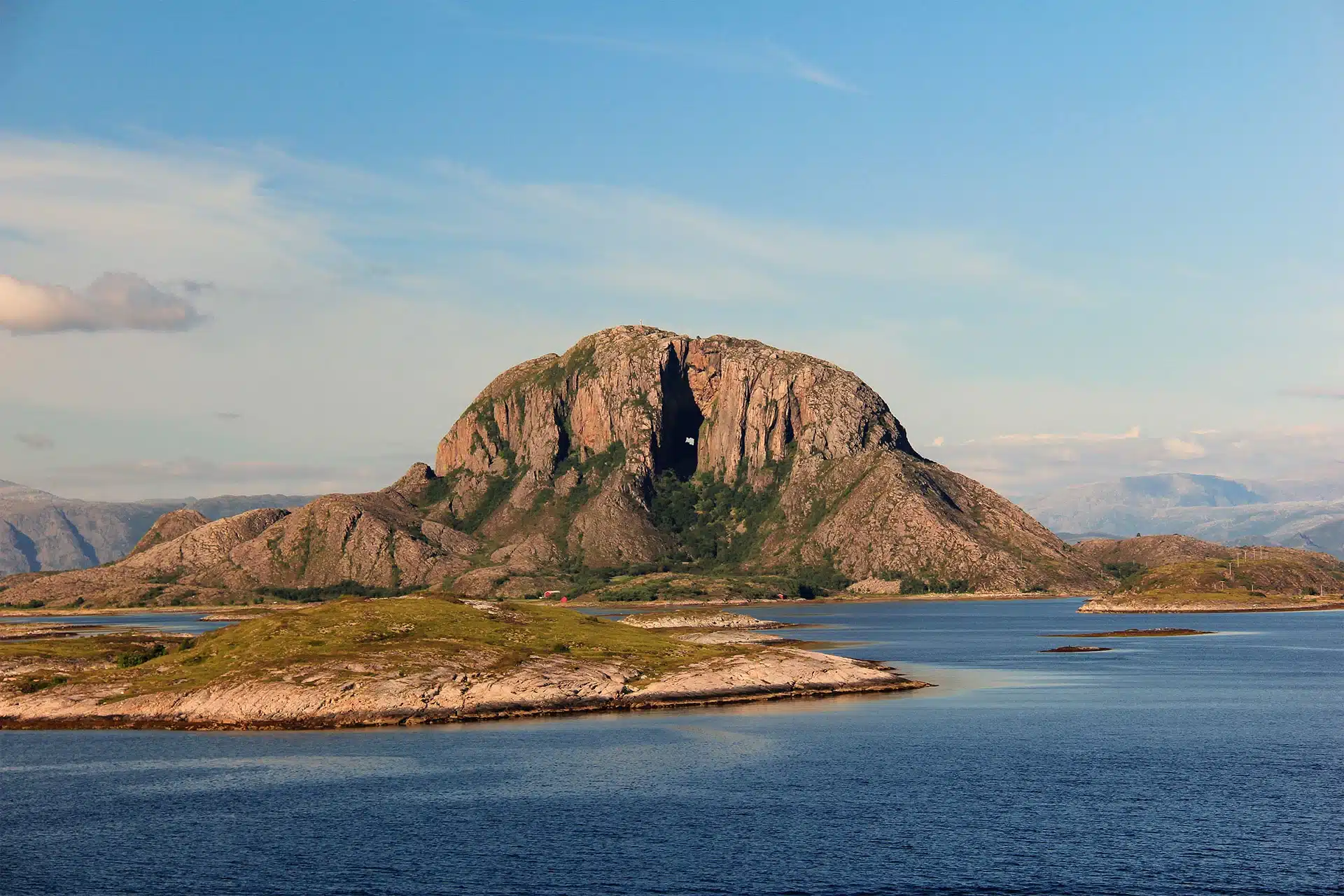
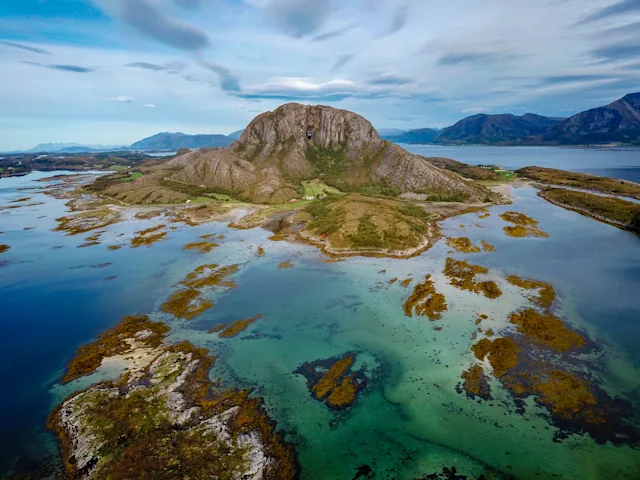
Disembark in the charming fishing village of Torsken and explore by bus, e-bike, on foot, or take to the fjords on a wildlife safari on one of the optional excursions.
Senja, Norway
DAY 12 – SVOLVÆR
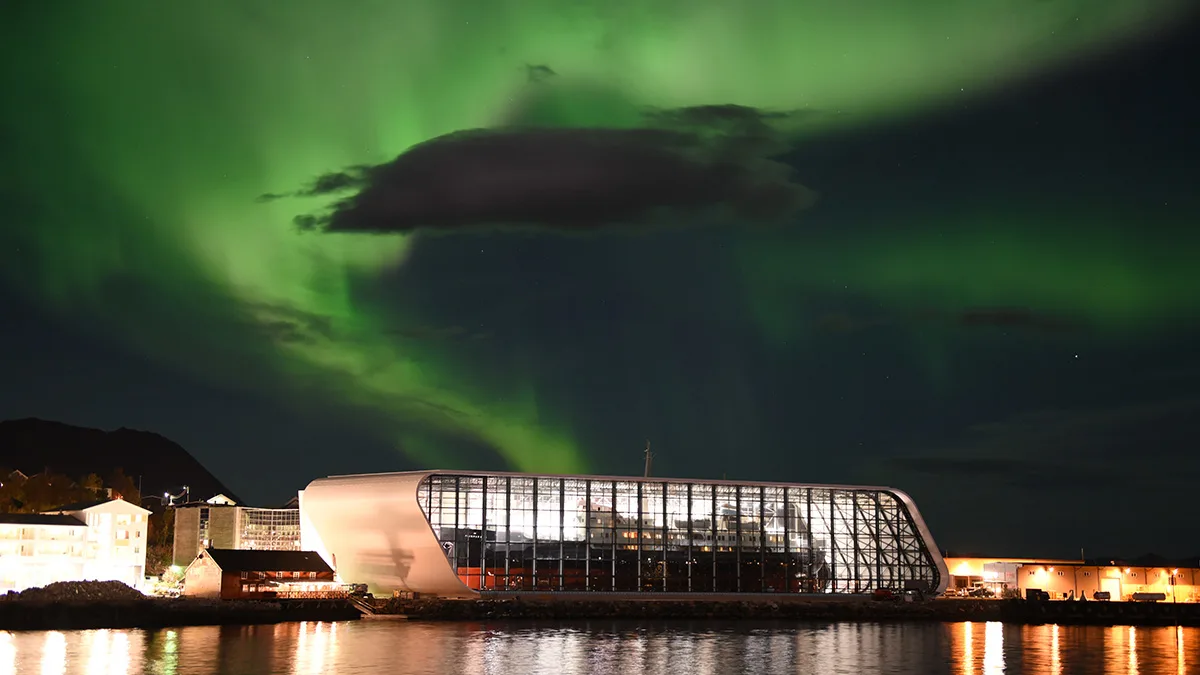
Start the day with a few hours in Stokmarknes, an historic town with a special place in the hearts of Hurtigruten passengers. It’s the birthplace of Hurtigruten Norwegian Coastal Express.
It’s a fitting place for the Hurtigruten Museum, where you are immersed in the atmosphere of a different era on our retired 1956 ship, MS Finnmarken, proudly encased in glass on the waterfront.
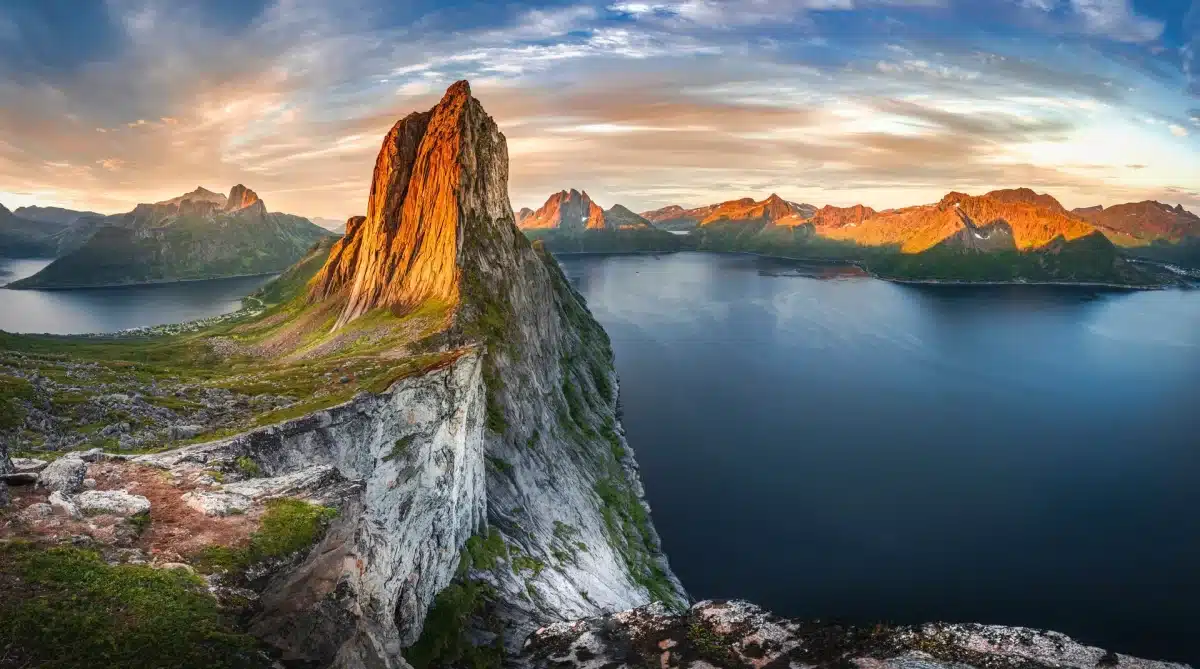
After Stokmarknes, you’ll sail via Raftsundet and Trollfjord to Lofoten. The rest of the day is all about exploring this breathtaking archipelago. Hailed as one of the most spectacular areas in all of Norway, you’ll understand why as you see its jagged green cliffs rise dramatically out of the ocean, climbing high into the sky like giant teeth.
The beating heart of the archipelago is the town of Svolvær where your ship will be based. There are shops and restaurants to enjoy, and the hours can be spent exploring and getting to know the town yourself.
DAY 13 – BESSAKER
From the Lofoten Islands, you head south across the open sea and the Arctic Circle. Soak up the ocean views from the deck or simply soak in the hot tub. You’ll catch sight of the beautiful Norwegian coast again about an hour before we arrive in Bessaker, a small village in Trøndelag county.
You’ll spend the afternoon at Bessaker. Home to just 200 residents, it’s known for its excellent fishing opportunities and the surrounding waters boast plenty of skrei, coalfish and pollock. The annual fishing festival, held on the third weekend of July since 1979, attracts thousands of visitors.
Explore Bessaker and its impressive natural surroundings at your own pace – you can expect live music, a warm welcome in the museum and tasty coffee and cake in the local pub and cafe to be waiting for you – or opt to join a hike, go on a bus tour to a local organic farm, sail on a nostalgic cutter fishing boat, or enjoy a guided e-bike tour.
DAY 14 – ÅLESUND, HJØRUNDFJORDEN
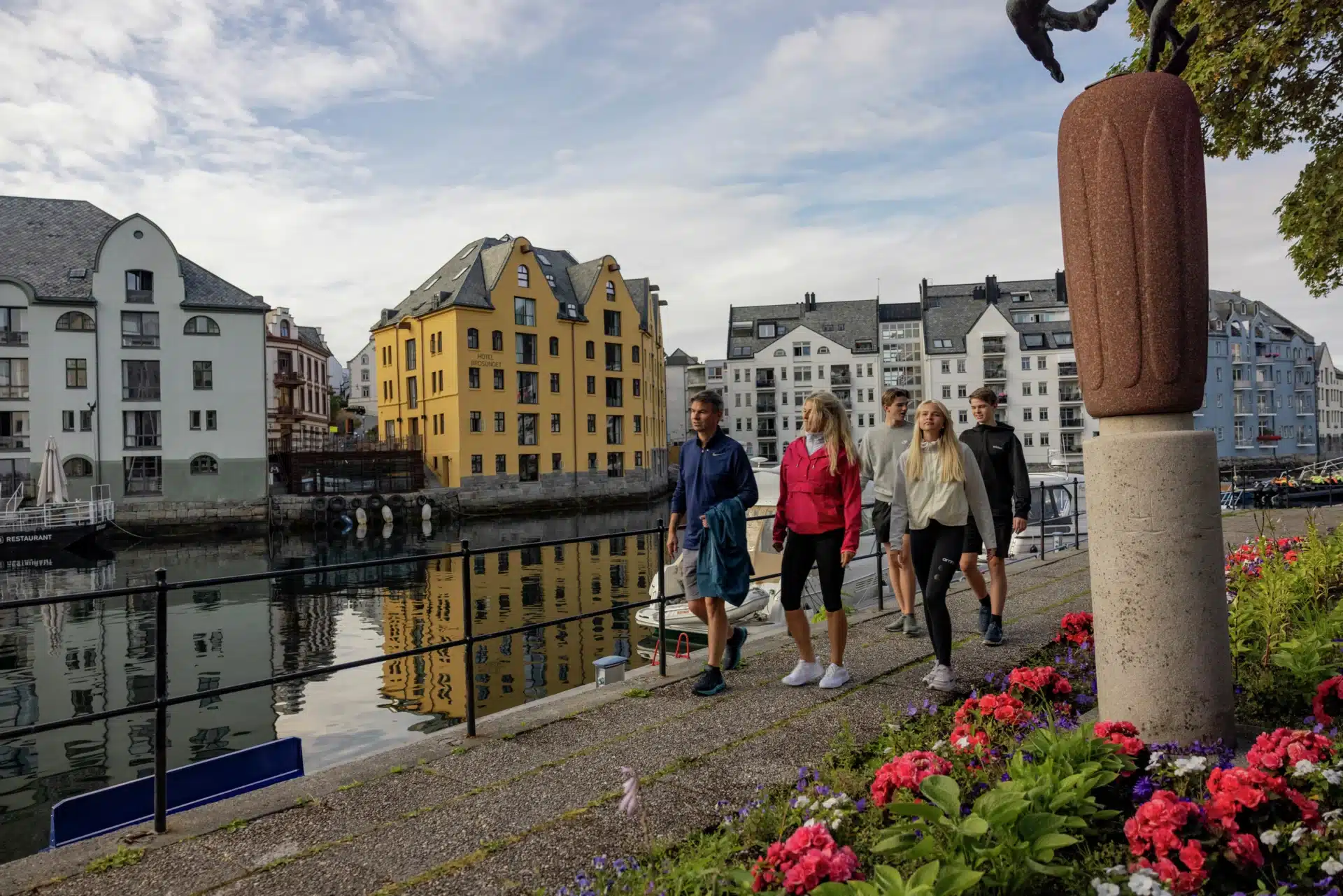
The ship will make a brief stop in the town of Ålesund, known for its Art Nouveau architecture and picturesque position on a peninsula below Mount Aksla. If you’re joining the overland excursion to Hjørundfjord and Sæbø, this is where you disembark, or you can explore the town on foot.
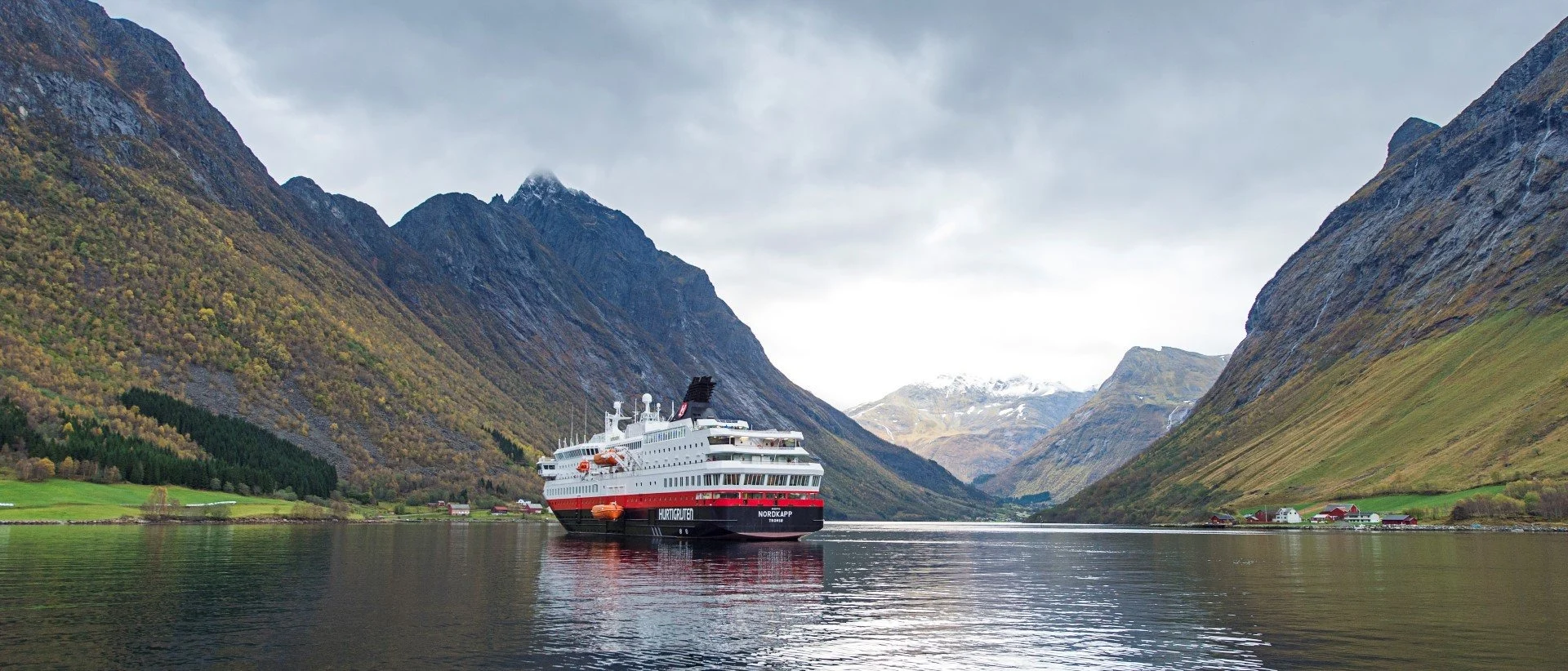
Near to Ålesund, cutting through the peaks of the Sunnmøre Alps, some 1,700 metres high, is magnificent Hjørundfjord. Its picture-perfect position embedded in the Sunnmøre Alps means it is the area’s hidden gem and a secret from most other ships.
On the banks of one of Hjørundfjord’s branches is the idyllic village of Sæbø. It’s a beautiful spot to enjoy at your own pace – but don’t miss the free concert in the church. You can see more of the area on an optional guided walk through the beautiful scenery of the Urke Valley.
You are fast approaching the last day of your voyage. What better way to celebrate your Svalbard Line experience than a farewell dinner on your last night.
DAY 15 – BERGEN
You arrive back in Bergen in the morning. It’s time to disembark the ship, but not before saying fond farewells to your fellow passengers and to the crew who made your Svalbard Line journey such a comfortable one.
You’ll take fond memories of the North Cape, Helgeland, Lofoten, Senja, Hjørundfjord, crossing the Arctic Circle, Tromsø, Bjørnøya, Longyearbyen, and Ny-Ålesund home with you.
Ship Information - Facilities +
MS TROLLFJORD (ship can vary by departure date)
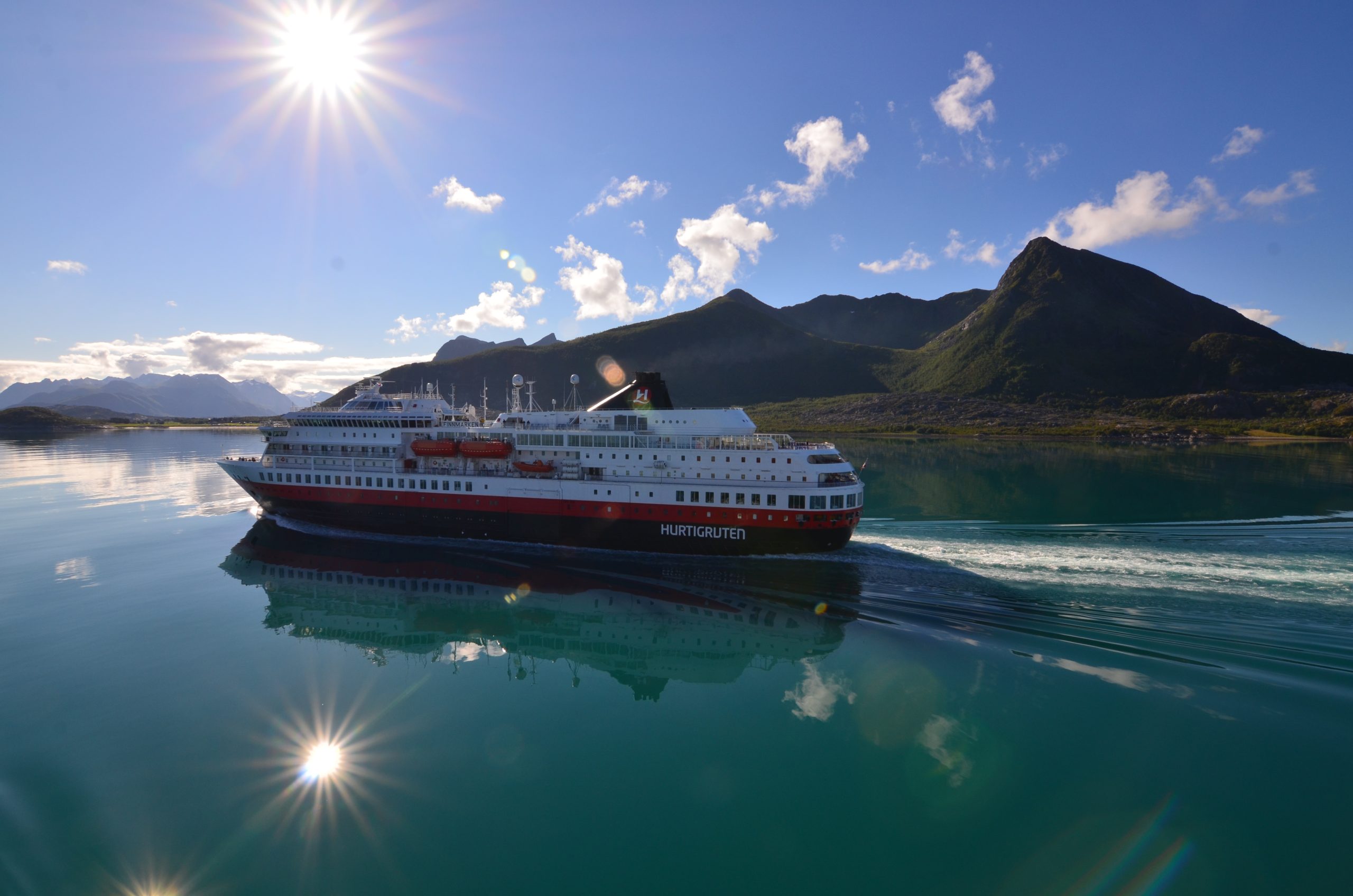
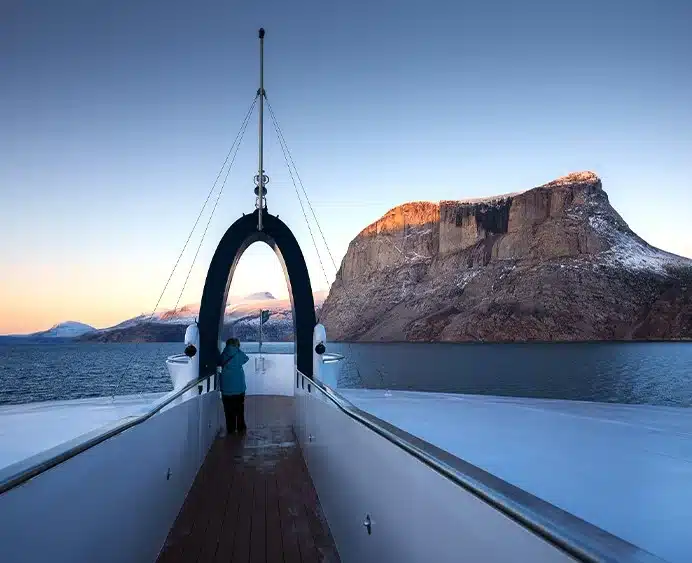
Flagship of Signature voyages, MS Trollfjord takes its name from a small but spectacular fjord in the Vesterålen archipelago.
Sailing both The Svalbard Line and The North Cape Line, MS Trollfjord is an homage both to Norwegian nature and our 130-year heritage sailing the Norwegian coast.
Locally sourced natural materials such as wood and stone feature prominently throughout the ship’s furnishings, reflecting the beauty of the fjords we sail through.
The style of décor is classic, timeless, and unique in our fleet. You’ll notice details and flourishes that evoke a sense of nostalgia, harking back to a golden era of exclusive small-ship sailing.
FACILITIES
Restaurants
Flora
The main restaurant’s name is inspired by Norway’s herbs, berries, mushrooms, flowers, fruit, and vegetables. Come here for bountiful breakfast buffets and à la carte lunches and dinners.
Brasserie Árran
Named after the northern Sámi word for the fire at the heart of their traditional lavvo tent, this brasserie specialises in traditional Norwegian cuisine with a twist.
Røst
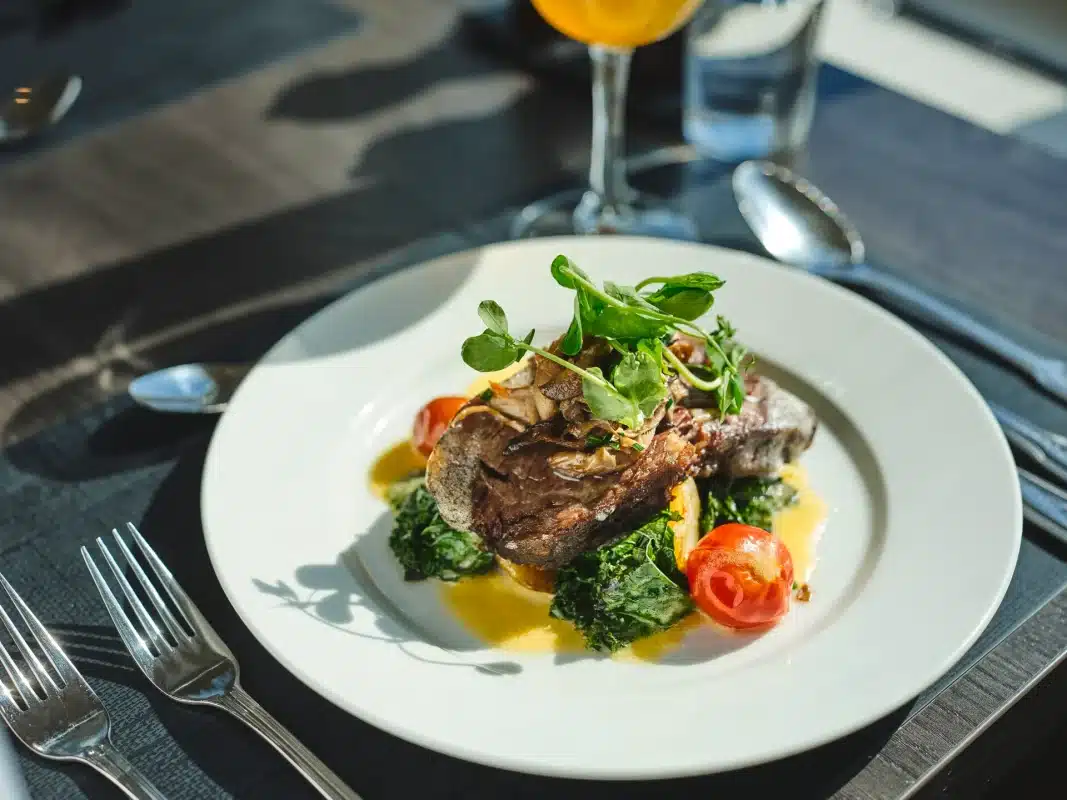
Dine in style at restaurant Røst, the à la carte option. You’ll savour exquisite dishes crafted by our most skilled chefs, using the finest ingredients the Norwegian coast has to offer. Located on deck 8 with magnificent views over the coastline.
1893 Bar
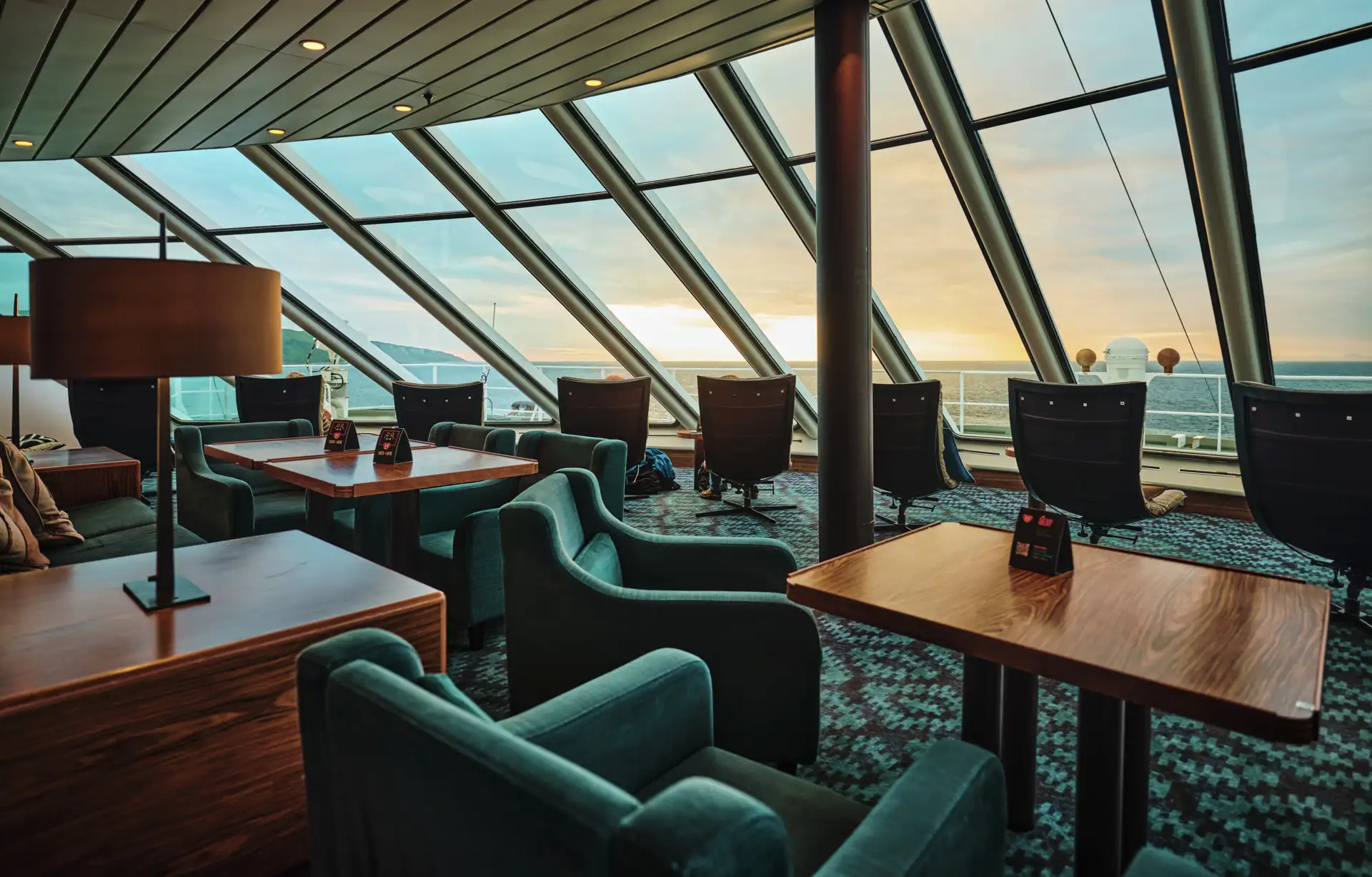
Settle down in a comfortable chair behind the huge windows on the two-storey observation deck and take your pick of drinks laced with the flavours and remarkable stories of the Norwegian coast. We offer a wide selection of international and local Norwegian beverage.
Sauna and fitness room
You’ll also find the panoramic sauna and fitness room on the top deck. The floor-to-ceiling windows allow you to work up a sweat while admiring the spectacular scenery.
Lecture hall
Found on the central deck, this is where the Expedition Team deliver fascinating presentations. On some nights, it transforms into a cinema.
At home with Hurtigruten
The team organise a range of inclusive, onboard activities for you, such as morning yoga, film nights, hands-on arts and crafts, photography tips, and cooking demonstrations.
Booking Terms & Conditions
Advertised price based on 30 August 2027 departure in a Polar Inside Cabin on MS Trollfjord. Pricing is correct as of 14 September 2026, subject to availability at the time of booking. Offers may be withdrawn or prices updated by the supplier at any time, so please enquire with our expert Flat Beds Tour + Cruise consultants for the latest pricing, terms and conditions. Single supplement may also apply. *Offer: $250 per person deposit – Valid for departures between 1 Oct 2026 and 31 Dec 2027. Valid for new bookings until 30 September 2026. *2 x free excursions valid on selected departures of 2027 Svalbard Line and North Cape Line sailings. Based on two people sharing a cabin and are not applicable to solo travellers. Valid for new bookings until 31 October 2026.
An unforgettable journey through Norway, Finland and Iceland with Hurtigruten, enjoying elegant coastal cruising plus a 6-day immersive Iceland land tour.
Experience this Svalbard cruise with Swan Hellenic. Discover Arctic wildlife, glaciers, and expert-led expeditions on an unforgettable polar adventure cruise.