DAY 8 – GUWAHATI, INDIA
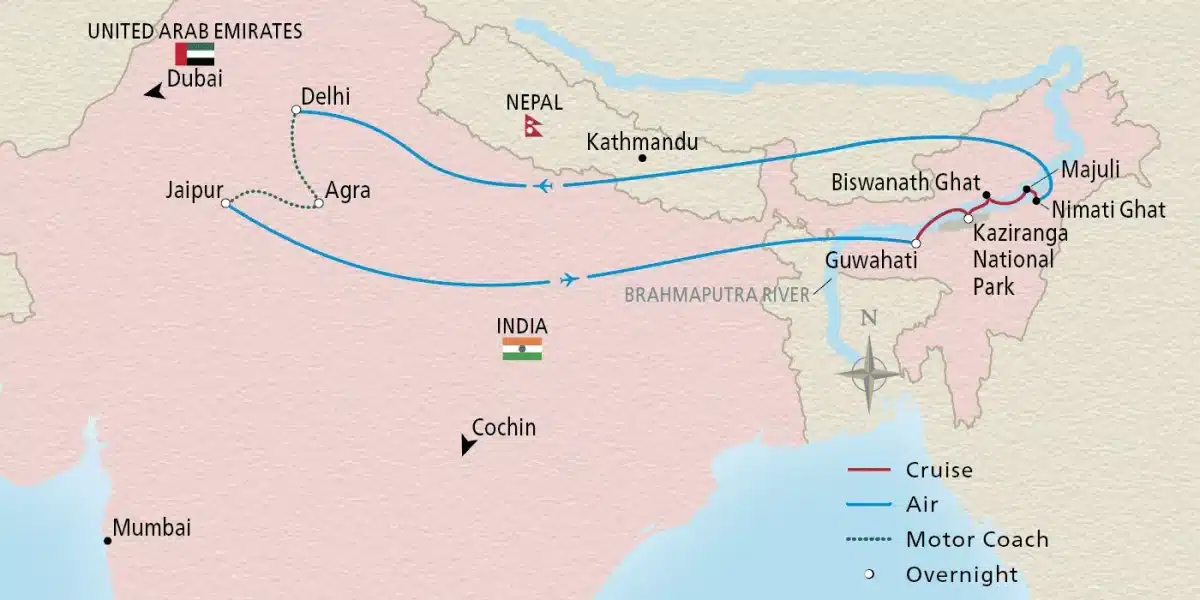
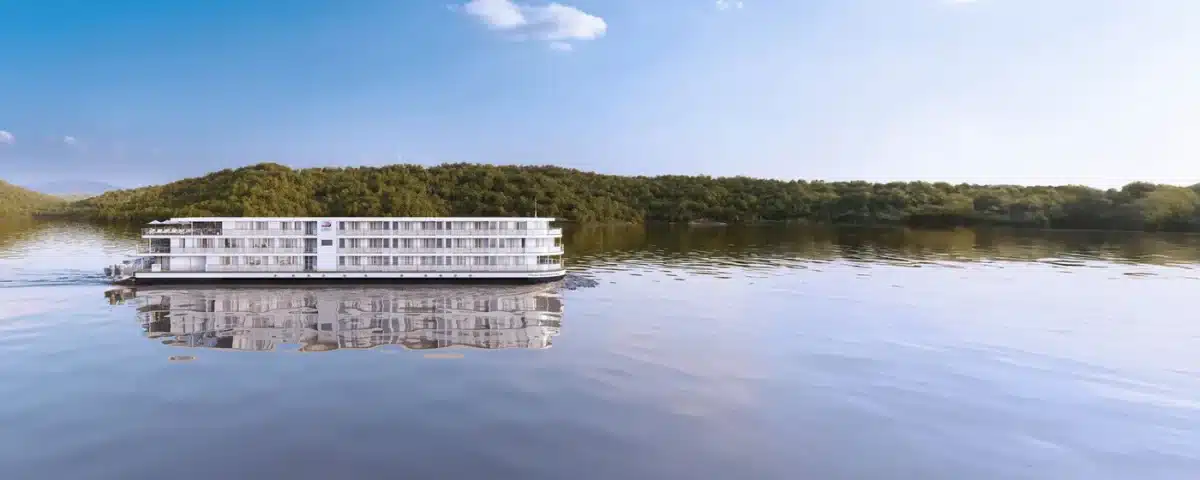
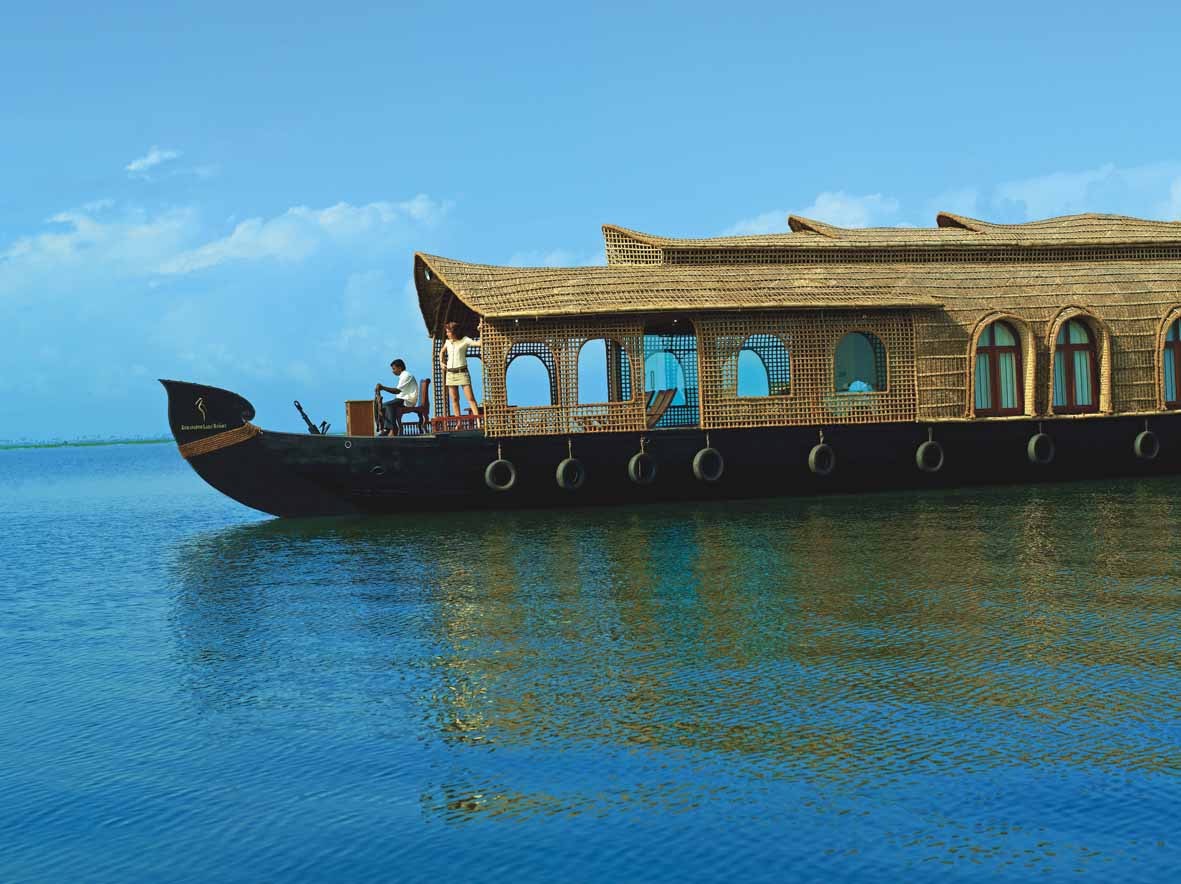
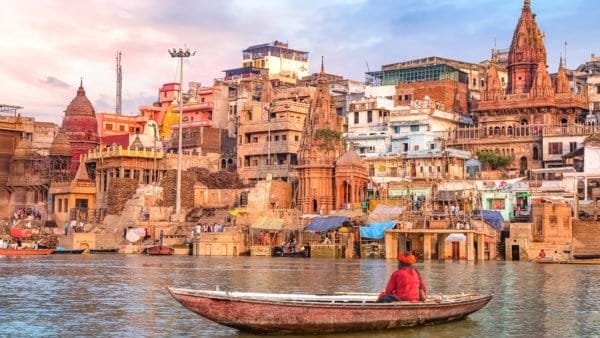
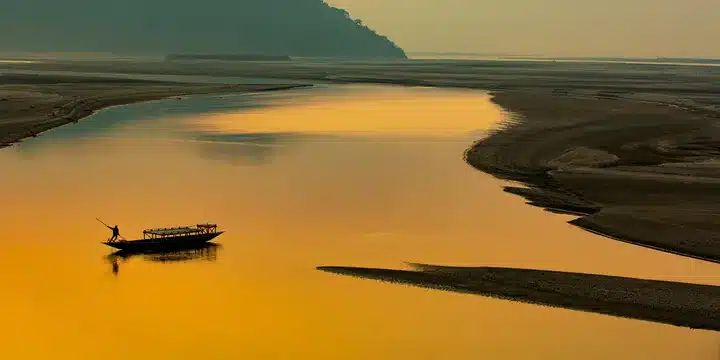
Guwahati owes its existence to its lush riverfront. Ancient cities stood on these banks, drawing their livelihood from the Brahmaputra’s waters. Today, this legacy can be seen in the boats that navigate Guwahati’s harbor and the temples, including the renowned Hindu Kamakhya Temple, that cluster near its shores and on its island. Markets pop up along the water, with stalls featuring woven bowls, fruit and chop, a dish of mashed and fried potatoes served with chutney. From the decks of boats sailing the Brahmaputra, the daily life of villages lining the river can be glimpsed.
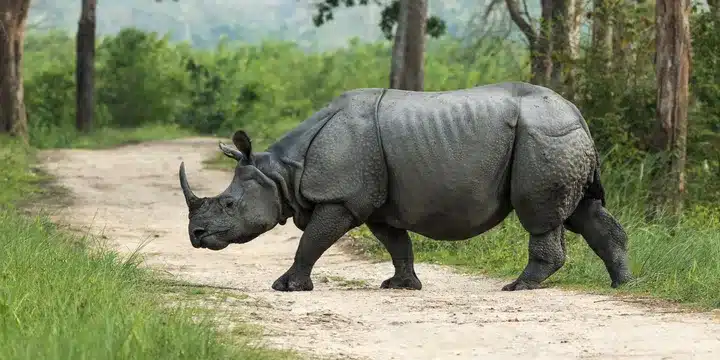
Originating in the Himalayas at the lofty altitude of 17,366 feet, the Brahmaputra is fed by the Chemayungdung Glacier and traverses one of the world’s largest canyons before entering India. Here, the river expands and flows in braided channels that continuously shape the landscape. It is the lifeblood of the region; locals utilize it for irrigation and transport, myriad fruit trees and plants crop up on its banks, and wildlife, including the one-horned rhino, call its shores home. Even the elusive river dolphin can sometimes be spotted playfully navigating its waters.
DAY 9 – KAZIRANGE NATIONAL PARK, INDIA
Kaziranga National Park abuts the Brahmaputra River and encompasses over 165 square miles of lush forest, open jungle and grasslands. This diverse landscape was originally set aside in 1908 in an effort to conserve the dwindling population of one-horned rhinos. Now, the park has expanded to include a tiger reserve and serves as a breeding ground for elephants and wild water buffalo. Jeep excursions into Kaziranga National Park offer a chance to glimpse these incredible creatures and learn about the importance of the park’s continued conservation efforts.
DAY 10 – KAZIRANGE NATIONAL PARK, INDIA
Like many national parks, Kaziranga has its roots in conservation. When Mary Curzon, Vicereine of India, visited the area in 1904 to see the one-horned rhino, all she found were footprints. Her guide, Balaram Hazarika, told her of the species’s endangerment and pressed upon her the need for conservation. Now, the park is home to two-thirds of the one-horned rhino’s global population and a UNESCO World Heritage Site that is noted for its biodiversity. From the river, visitors can truly appreciate the park’s verdant landscape and keep an eye out for its magnificent residents.
DAY 11 – BISWANATH GHAT, INDIA
A quaint village along the Brahmaputra River, Biswanath Ghat gets its name from the ancient Biswanath temple that was situated here and its Ghat—a set of stairs that lead down to the river’s edge. Selected as India’s Best Tourism Village in 2023, Biswanath Ghat features a collection of temples that dot its streets, including an ancient temple dedicated to Shiva, now mostly ruins that lie along the banks of the Brahmaputra. Intriguing animals, including elephants and the Ganges river dolphin, can be spotted from the shores of this colorful village.
The Brahmaputra rises and falls with the rainfall of monsoon season and is a river of constant change that shapes both the landscape and lives of those who rely upon it. Its deposits of rich silt allow for fertile farmlands and flourishing communities, but its ever-fluctuating shoreline brings seasonal flooding. Local architecture features houses built on stilts, and ghats, or steps, that lead down into water, allow access regardless of water level. Bridges are rarely found, but a flow of ferries and fishing boats ease life along this dynamic river.
DAY 12 – MAJULI, INDIA
The Brahmaputra rises and falls with the rainfall of monsoon season and is a river of constant change that shapes both the landscape and lives of those who rely upon it. Its deposits of rich silt allow for fertile farmlands and flourishing communities, but its ever-fluctuating shoreline brings seasonal flooding. Local architecture features houses built on stilts, and ghats, or steps, that lead down into water, allow access regardless of water level. Bridges are rarely found, but a flow of ferries and fishing boats ease life along this dynamic river.
DAY 13 – NIMATI GHAT, INDIA
Nimati Ghat, like the rest of the state of Assam, sits within the Brahmaputra Valley, land which was once home to the mighty Ahom Kingdom. Ruling for an impressive, uncontested 600 years, the Ahoms created a multi-cultural society which still persists, with more than 14 languages and 5 religions co-existing in the state of Assam today. The Ahom Kingdom also left behind a rich architectural legacy; their former capital city of Sivasagar is home to the stately royal palace and Temple to Lord Shiva, a Hindu pilgrimage site situated on a vast man-made lake.
DAY 14 – NIMATI GHAT, INDIA
A quaint river port called on by colorful fishing boats and popular ferries, Nimati Ghat serves as an embarkation point for travelers and locals alike looking to sail to Majuli Island, one of the largest river islands in the world, or set out on a journey along the Brahmaputra River. From its shores, the sheer expanse of the river can truly be appreciated as it stretches toward the horizon, with just a thin strip of green on the opposing bank separating it from the sky. After breakfast, disembark your ship and head to the airport for your flight.
DAY 15 – DELHI, INDIA
Bid farewell to your fellow guests and journey home. Or spend more time exploring, perhaps joining one of our extensions.