At opposite ends of the Earth, Antarctica and the Arctic offer two very distinct ways of experiencing the polar world. Both vast and bountiful in their own ways, one immerses you in an icebound wilderness, where penguins gather in incredible numbers and whales and seals grace the coastline. The other draws you into glacier-carved fjords and culturally rich communities filled with stories and history, with opportunities to encounter polar bears, walruses and other legendary wildlife unique to the region.
Both expeditions offer distinctly different perspectives, yet with National Geographic-Lindblad Expeditions , there is a strong dedication to fostering a sense of community among curious travellers through transformative experiences.
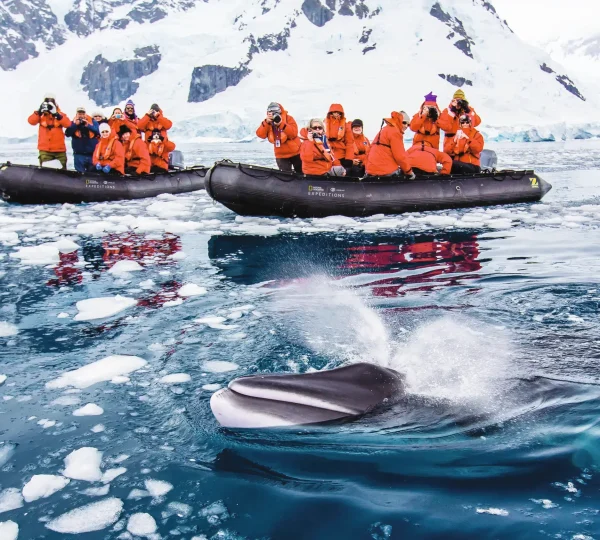
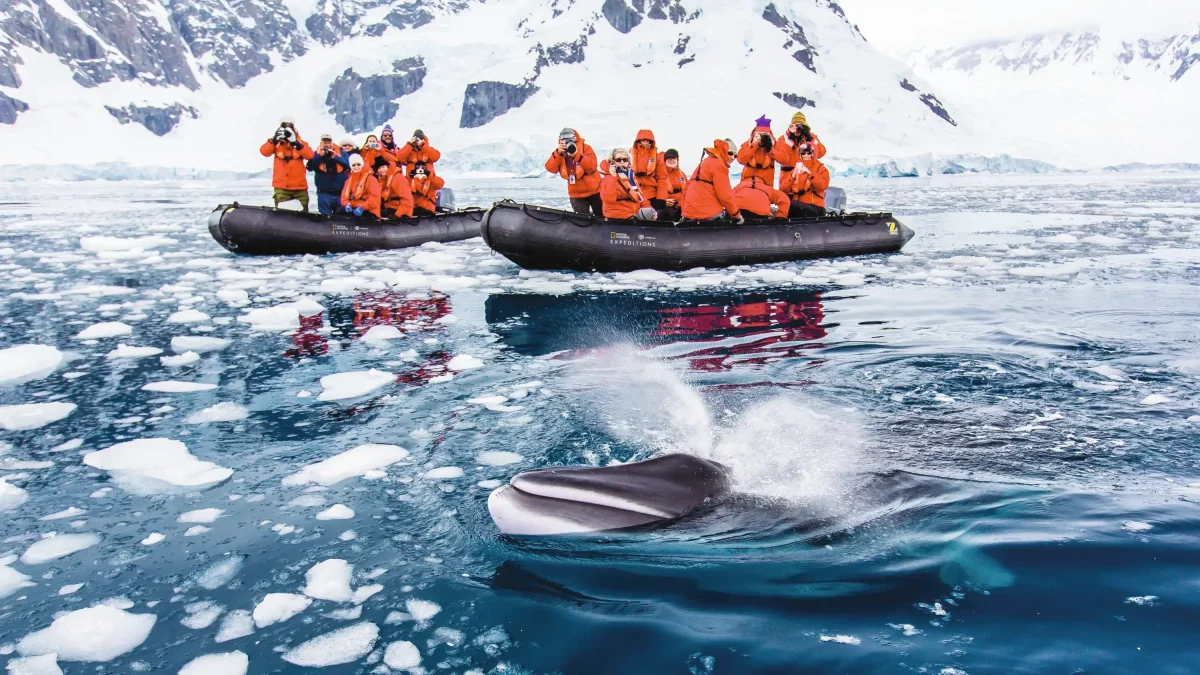
Drawing on 60 years of exploration heritage, every voyage with National Geographic-Lindblad Expeditions is thoughtfully designed to offer an enriching experience at the top or bottom of the globe. Both regions reward curiosity, whether you’re watching a whale surface beside your Zodiac or listening as a naturalist explains the life unfolding around you.
Are you drawn North or South? Discover what sets these beautiful destinations apart, which experience may appeal to you most and why National Geographic-Lindblad Expeditions is the right pick to venture with.
Geography and Landscapes
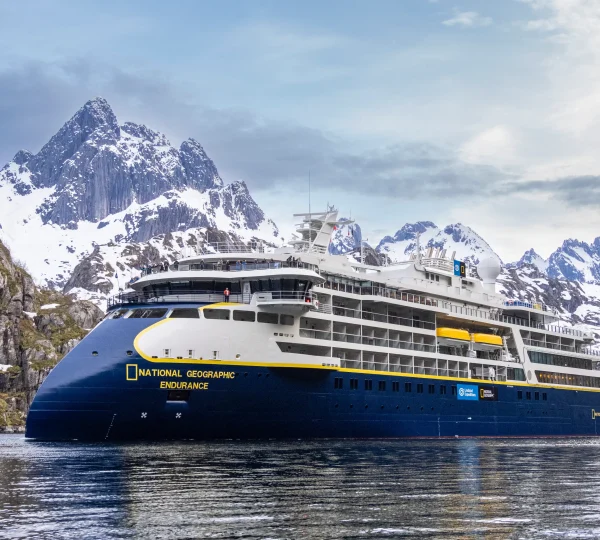
So, what’s the difference between the two poles? The essential difference lies far beneath the ice. While both are incredibly cold, their geographical makeup creates the distinction. Antarctica is a continent surrounded by the Southern Ocean, while the Arctic is an ocean surrounded by neighbouring continents. The South Pole lies on Antarctica’s ice-covered landmass, while the North Pole sits surrounded by the sea ice of the Arctic Ocean. National Geographic-Lindblad Expedition ships are purpose-built to handle the vast geography of these two extreme destinations.
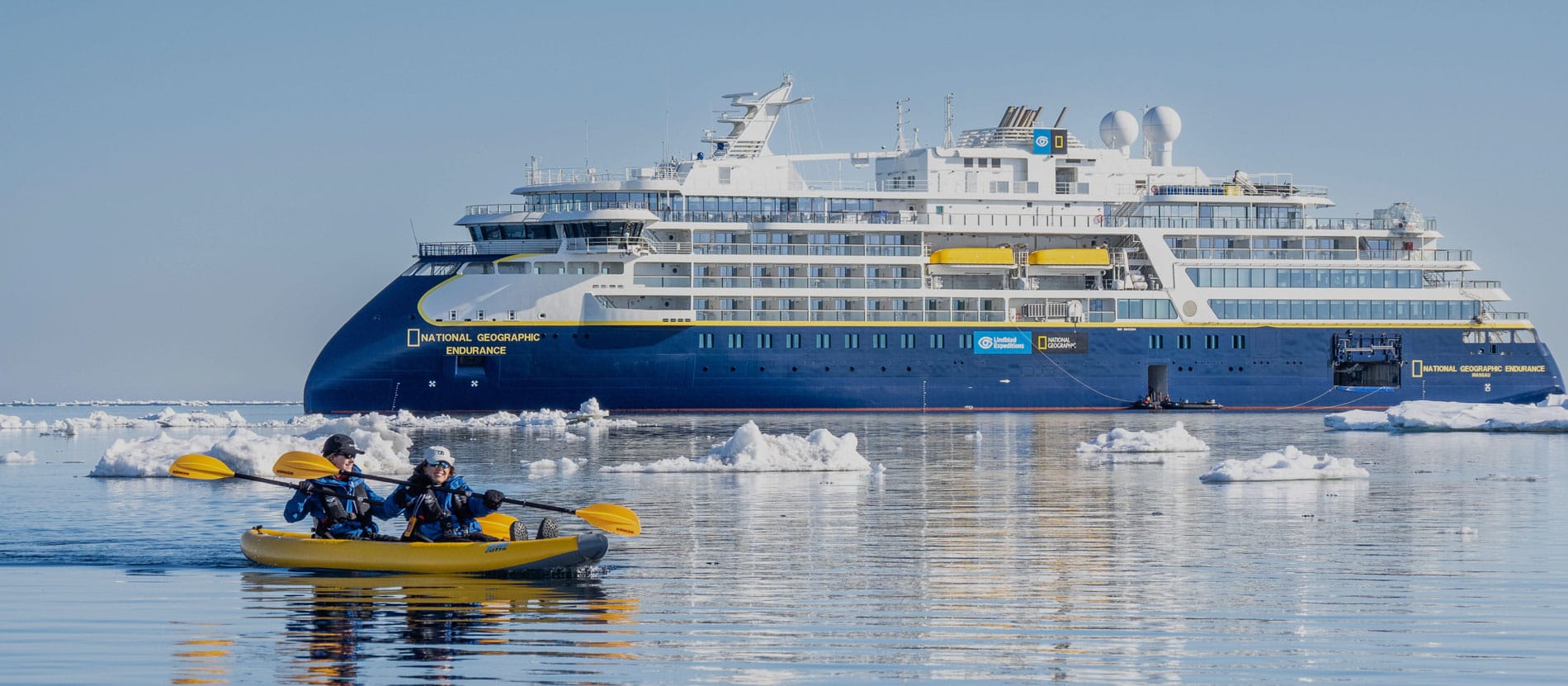
Facing the unknown and experiencing the untouched vastness of the seventh continent evokes a special sense of thrill and curiosity. Mountain peaks can be experienced in their fullness, rising above sweeping glaciers, while sculpted icebergs drift through sheltered bays. These expeditions allow curious travellers to indulge not only in endless discovery, but also in a range of immersive activities. Kayaking through a serene cove or cruising by Zodiac through an ice-filled channel brings the scale and intricate beauty of the White Continent into focus.
While Antarctica’s grandeur lies in its vast continental scale, the Arctic’s comes from the diversity of its landscapes. Become fully immersed in the sea ice around Svalbard, sail beneath the steep walls of Greenland’s fjords or explore Baffin Island’s dramatic mountains. Journeys that include Iceland add volcanic landscapes to the experience. Across the region, each destination offers a different perspective on life at the top of the globe.
Wildlife
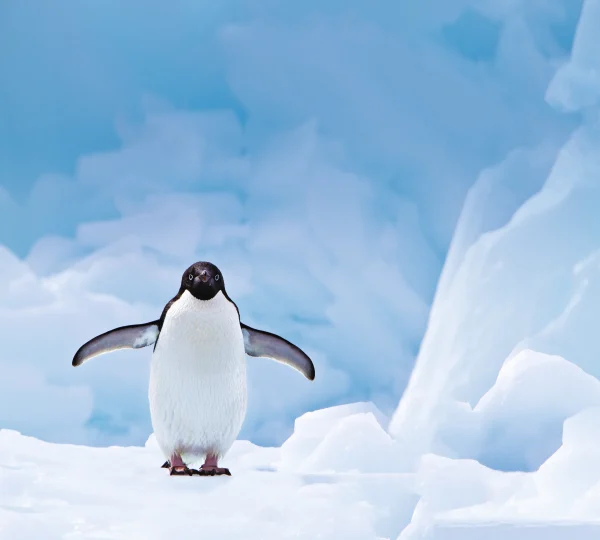
One of the easiest distinctions between the two poles is their wildlife. Penguins gather in large groups throughout the South, while polar bears roam the North. However, these iconic animals are only part of what makes these expeditions so compelling. There is far more to discover in these bountiful parts of the world.
Becoming one with nature is not simply an idea with National Geographic-Lindblad Expeditions, it becomes a reality. Exploring Antarctica offers an abundance of penguin sightings, with eight of the world’s 17 penguin species inhabiting Antarctica and the subantarctic islands of the Falklands and South Georgia. Whales are also a regular sight for travellers on expeditions to Antarctica, particularly blue whales, humpbacks and orcas. Whale biologist and Lindblad Expeditions naturalist Conor Ryan notes that “The densities of whales down in Antarctica is off the scale compared to anywhere else on the planet. If people are into whales… then Antarctica is hands down the best place to go.” Other native species you may encounter include leopard seals, alongside a plethora of fascinating birdlife.
The waters of the Arctic, similarly to Antarctica, are home to some of the world’s most fascinating marine mammals, including walruses and ringed seals. You may also spot polar bears roaming the sea ice or whales surfacing nearby. If you’re fortunate, you might even see the elusive narwhal, which inhabits northern waters, although sightings are rare. Searching for wildlife is part of the thrill of exploring the Arctic, and National Geographic-Lindblad Expeditions makes the experience even more rewarding with an experienced team of expert naturalists, photographers and educators who help guests spot animals that might otherwise go unnoticed.
History and Culture
The Arctic is a homeland. Among Arctic coastal peoples, the Inuit are the most widespread, inhabiting coastlines from Greenland to Canada. They share living traditions and contemporary perspectives with guests, rooted in a deep relationship with the land and sea. It is a special connection that travellers can experience as they spend time with local residents and artists, gaining deeper insight into life in the far North. Iceland adds its own distinct heritage, with Norse history woven throughout historic fishing villages and remote isles.
With no Indigenous population, the White Continent of Antarctica tells a very different human story. Its untouched, ice-covered landscape has been shaped by scientific discovery and historic exploration, from the expeditions of Ernest Shackleton and Robert Falcon Scott to the research that continues today.
Expert historians bring these stories to life, offering in-depth perspectives on how the continent’s extreme conditions have challenged explorers, inspired discovery and continue to shape our understanding of the natural world.

Life Onboard National Geographic-Lindblad Expeditions
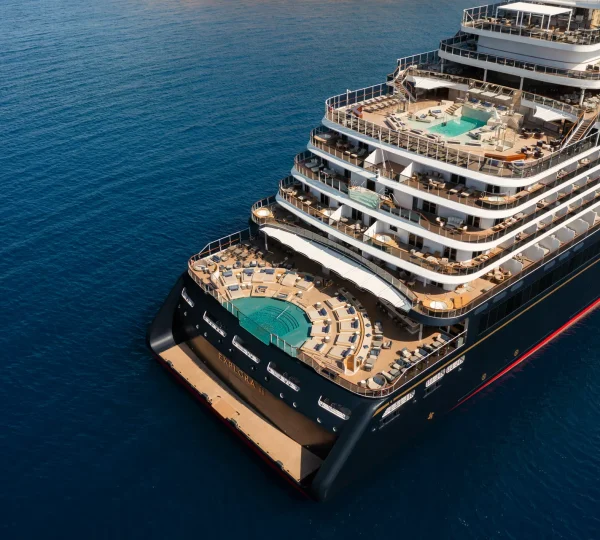
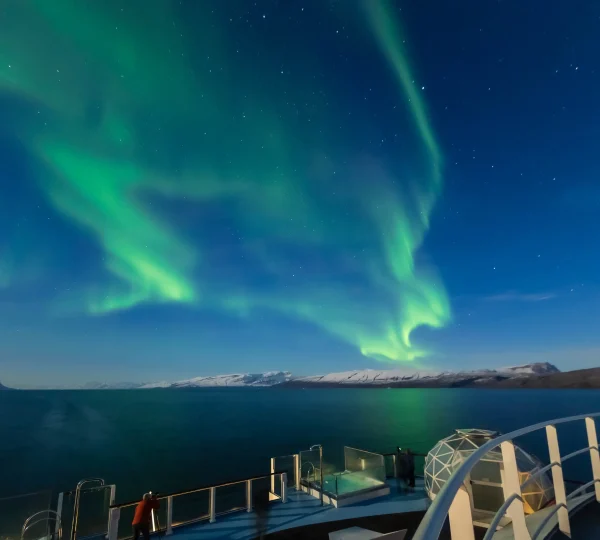
Guests onboard a National Geographic-Lindblad Expedition will no doubt enjoy exploring either pole, but they will also experience a journey shaped by the region they are sailing through. The ships embody a spirit of discovery and wonder, combining exploration with elegance. Their design encourages shared spaces where curious travellers can come together and connect. State-of-the-art polar ships offer premium amenities including glass-walled saunas, infinity hot tubs and overnight igloos. The comfort and thoughtful design of the ships reinforce the idea that time at sea can be both restorative and inspiring. An added bonus, and a bucket-list experience for many travellers, is nature’s spectacular light show, the Aurora Borealis. This dazzling phenomenon, known as the Northern Lights, has a southern twin called the Aurora Australis. Both the Northern and Southern lights are best observed beneath dark skies free from light pollution, as strong light, even from a full moon, can make auroras more difficult to see.
A National Geographic-Lindblad Expeditions ship offers an ideal setting for viewing the brilliant polar night sky in darkness. While sightings are never guaranteed, onboard protocols are in place to alert guests when auroral activity is visible, so there is less chance of sleeping through nature’s greatest show.

When to Go
The polar regions follow opposite seasonal rhythms, so the time of year can help guide both your destination and your experience. Antarctica’s main travel season runs from November through to March, spanning the austral spring and summer. Early-season voyages reveal fresh snowscapes and penguin courtship, while later departures bring abundant whales and spectacular light. Throughout the season, changing ice conditions and wildlife activity create new opportunities for exploration each day. The ideal time to travel to the Arctic is generally from April through to October, with timing dependent on the specific region. Earlier in the season, travellers can experience luminous light and lingering ice. Summer welcomes the midnight sun at high latitudes, while abundant wildlife activity comes into full swing.
The Right Pick for You
Both poles offer unmatched wonder and beauty, allowing travellers to lean into genuine curiosity while exploring landscapes that feel almost otherworldly. Whether you’re drawn to Antarctica’s monumental ice sculptures or the Arctic’s diversity of landscapes, wildlife and cultures, how you explore makes a difference. National Geographic-Lindblad Expeditions’ expert captains and expedition teams respond to wildlife, weather and ice conditions as each day unfolds. Their experience helps guests make the most of every moment and discover more of the polar world, no matter which region they choose.
If you are looking to learn more about an Antarctic or Arctic expedition, make sure to get in touch with one of our Tour + Cruise Specialists to learn more. For further information on National Geographic-Lindblad Expeditions, chat to our team for extra details.